
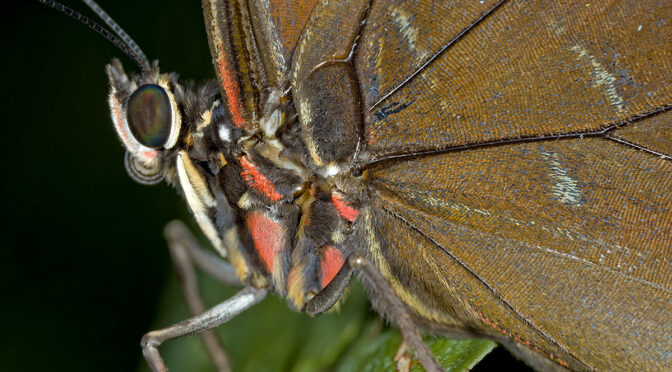
This article shares some one handed macro flash test images of butterflies recently captured at the Niagara Butterfly Conservatory.
Category Archives: Animals
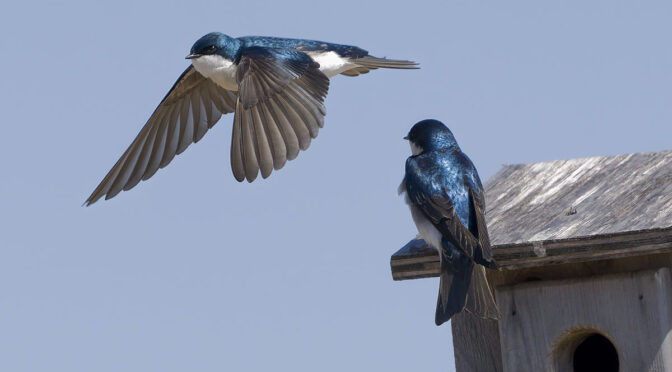
Swallows at Irving Eco-Centre
This short article features images of swallows at Irving Eco-Centre (La Dune de Bouctouche) located in Saint-Edouard-de-Kent, New Brunswick. These photographs were captured in early May during a trip my wife and I made out to the East Coast of Canada to visit family and friends.
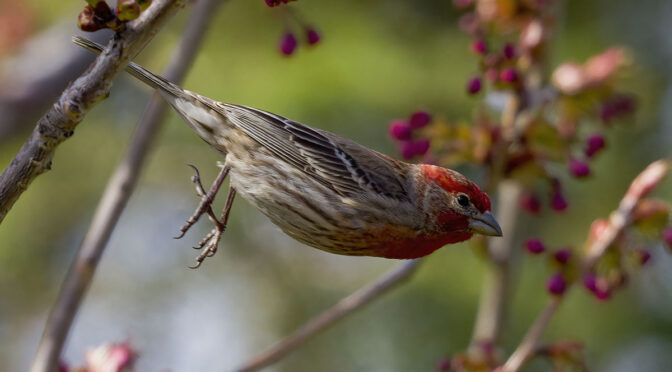
Spring Tune-Up
For many of us in northern latitudes, April is a great month for a spring tune-up so we can get ready for the bird migration season. Mid-May is usually when many migratory birds start passing through our area… so I try to get some in-field practice to give my skills a spring tune-up.
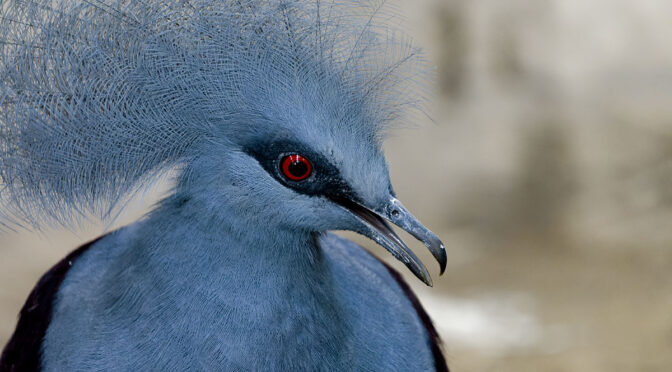
Bird Kingdom with 100-400
Recently I had the opportunity to capture some handheld images at Bird Kingdom with the M.Zuiko 100-400 mm f/5-6.3 IS zoom. I haven’t used this lens for a while as my M.Zuiko 150-600 mm f/5-6.3 IS has become my ‘go to’ birding lens.

Captive Butterflies in Flight
This article features photographs of captive butterflies in flight captured handheld with the M.Zuiko 100-400 zoom at the Niagara Butterfly Conservatory.
Blossoms, Bugs & Butterflies eBook
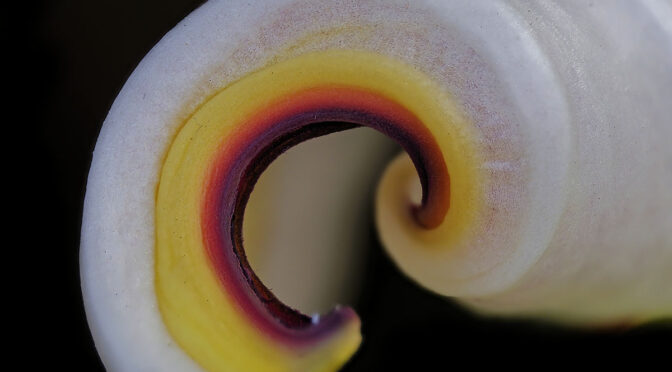
We are pleased to announce the publication of our newest eBook… Blossoms, Bugs & Butterflies: Exploring Handheld Macro and Close-Up Photography.
This 210 page eBook shares over 500 original handheld photographs and discusses a wide range of techniques and approaches that were used to photograph blossoms, bugs & butterflies.

Photographs of Small Perched Birds
This article features a selection of photographs of small perched birds captured handheld during a recent visit to Hendrie Valley.
Buffleheads In-Flight with 150-600
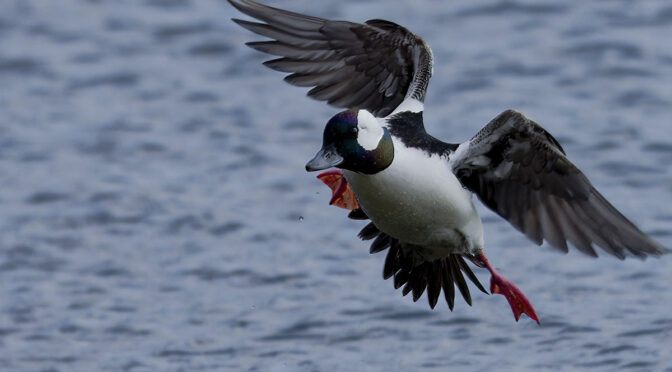
This article shares some images of buffleheads in flight, captured handheld with the M.Zuiko 150-600 mm f/5-6.3 IS zoom lens.

The Reality of Cost
The reality of cost seems to rarely enter into various reviews of camera equipment, and especially those that deal with lenses.

User Spotlight: Thomas Stirr
This short announcement is to let our readers know that OM Digital Systems recently featured my bird photography in their User Spotlight series.