

This article features some handheld test images captured with the M.Zuiko 90 mm f/3.5 PRO IS macro lens, and STF-8 Twin Macro Flash. All of the photographs (except image 22) were created during a short duration visit to the Royal Botanical Gardens (RBG) in Burlington Ontario.
Category Archives: Flower Photography

Handheld Focus Stacking With MC-20
I’ve been continuing to practice handheld focus stacking with the MC-20 teleconverter and M.Zuiko 90 mm f/3.5 PRO IS macro lens. This article features a selection of HHFS (handheld focus stacked) backyard images of some insects and blossoms.

HHHR Flower Photography with 150-600
Recently I did some HHHR flower photography with the M.Zuiko 150-600 mm IS zoom, during a visit to the Royal Botanical Gardens.
I concentrated my test efforts on close-up photography as the M.Zuiko 150-600 mm f/5-6.3 IS zoom has a minimum focusing distance of 560 mm (~ 22 inches) on the wide end. The maximum magnification of the lens is 0.35 X on the wide end and 0.20 X on the telephoto end. Using teleconverters obviously extends the magnification further.

Blossoms From a Distance
It can sometimes be a challenge to photograph blossoms such as water lilies… from a distance… and still get the entire flower in focus. Often we don’t have the physical access needed to get close to subject flowers. As a result we can be forced to use a longer focal length telephoto zoom lens for our compositions. This can create depth-of-field challenges.
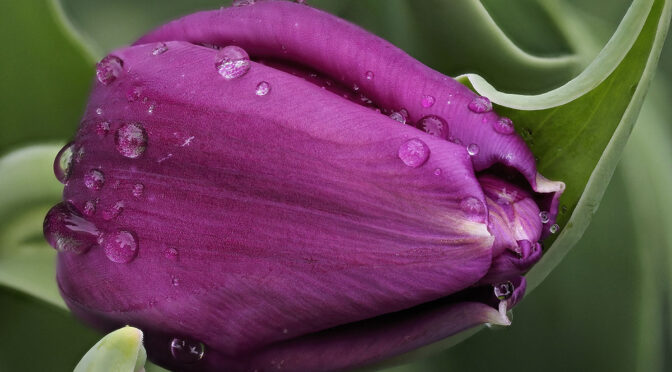
Blossoms in the Rain
This article features some images of tulip blossoms in the rain, captured handheld using in-camera focus stacking during a recent visit to the Royal Botanical Gardens (RBG) in Burlington Ontario.
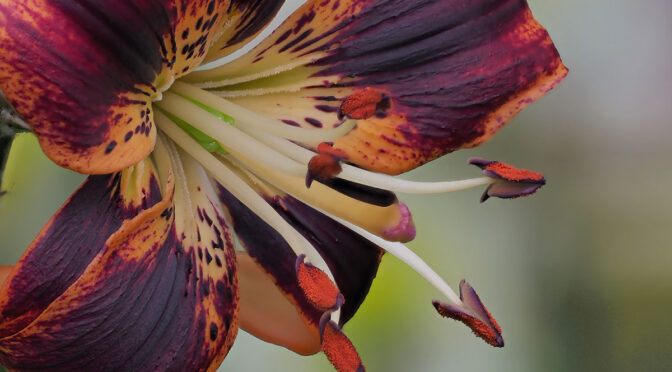
Close-Up Flower Images
This article features a selection of close-up flower images captured handheld using the M.Zuiko PRO 40-150 mm f/2.8 zoom lens along with a pair of extension tubes. In-camera focus stacking was used for all images.
Many photographers have an interest doing close-up photography from time to time, but find it hard to justify purchasing a dedicated macro lens. Using extension tubes with a zoom lens can be a good option for many people as this type of combination can provide a good deal of flexibility.

Flower Macro Images
This article features a selection of uncropped flower macro images which were recently captured handheld at the Royal Botanical Gardens in Burlington Ontario.
As photographers we typically compose our images to avoid any kind of cropping if at all possible. This helps ensure that we can get as many pixels as possible on our subject matter. Some photographic genres are more difficult than others when it comes to capturing full frames, and avoiding any cropping. Handheld in-field macro photography can be tricky at times.
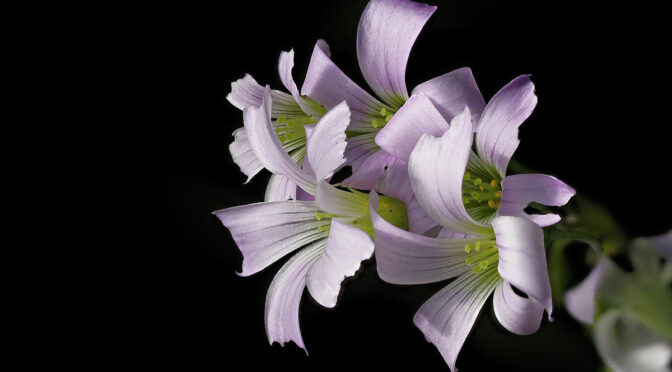
Completing the Vision
As photographers we understand that completing the vision involves doing some work with our images in post processing. Each of us has our own skill level and approach when it comes to post processing, as well as our preferred software programs. We have a very specific vision in our minds for how we want our finished photograph to appear and often capture an image as an interim step towards that vision.
Year 8
Today marks the end of Year 8 for this photography website with 1,237 articles having been published since 2015, and 127 added this year. It certainly has been an interesting ride to be here with all of you again this year.

Do Overs
As photographers it can be instructive to go back through some old files and attempt some do overs in post processing. A lot has changed over the past number of years with more software programs using AI (artificial intelligence) technologies. Sometimes these advancements in software can make a significant difference, especially with images captured with small sensor cameras. Do overs can be very beneficial.