
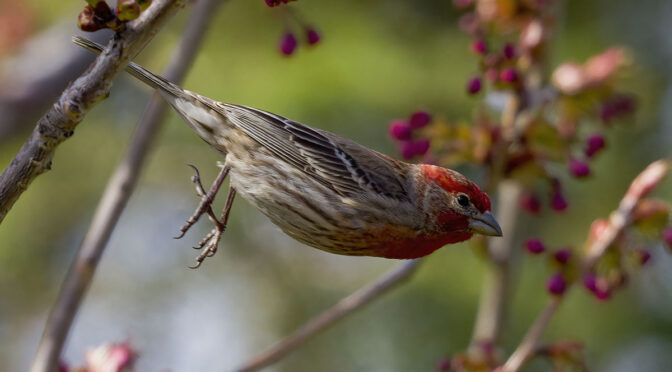
For many of us in northern latitudes, April is a great month for a spring tune-up so we can get ready for the bird migration season. Mid-May is usually when many migratory birds start passing through our area… so I try to get some in-field practice to give my skills a spring tune-up.
Category Archives: Pro Capture

Captive Butterflies in Flight
This article features photographs of captive butterflies in flight captured handheld with the M.Zuiko 100-400 zoom at the Niagara Butterfly Conservatory.
Blossoms, Bugs & Butterflies eBook
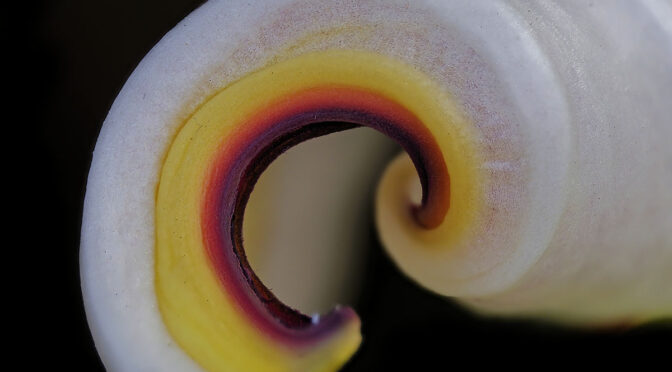
We are pleased to announce the publication of our newest eBook… Blossoms, Bugs & Butterflies: Exploring Handheld Macro and Close-Up Photography.
This 210 page eBook shares over 500 original handheld photographs and discusses a wide range of techniques and approaches that were used to photograph blossoms, bugs & butterflies.

Ducks in Flight at 1200 mm efov
This article features a selection of handheld photographs of ducks in flight captured at 1200 mm efov (equivalent field-of-view) with the M.Zuiko 150-600 mm f/5-6.3 IS zoom lens.
February Practice Session
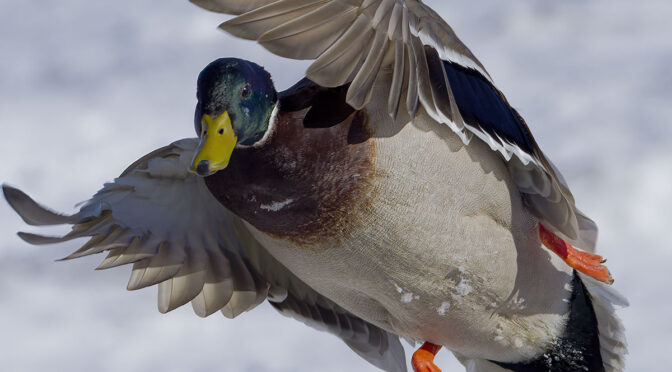
On Sunday this past weekend I had the chance for a February practice session, photographing birds-in-flight at a local frozen-over harbour. Most of the birds were ducks and geese, along with a few gulls.
Capturing the Moment
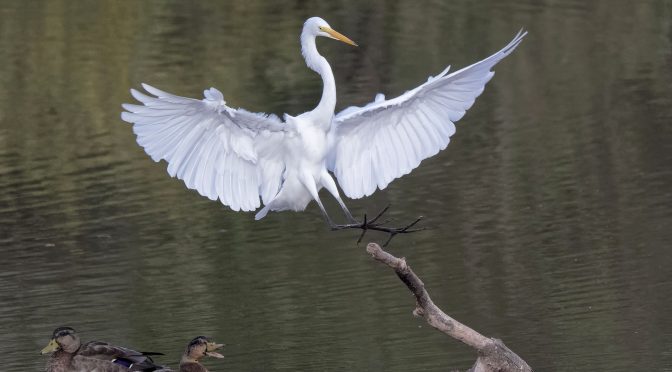
This article is about capturing the moment when we’re photographing birds.
But… first off… my apologies for not posting a new article for the past couple of weeks. Time is a perishable commodity that sometimes is difficult to manage. Juggling projects… and then recently getting laid up for a quite a few days with the flu hasn’t helped.
For most of this month I’ve been focusing the bulk of my efforts on finishing a new eBook… which is finally very near completion… with an announcement imminent.

Photographing Small BIF
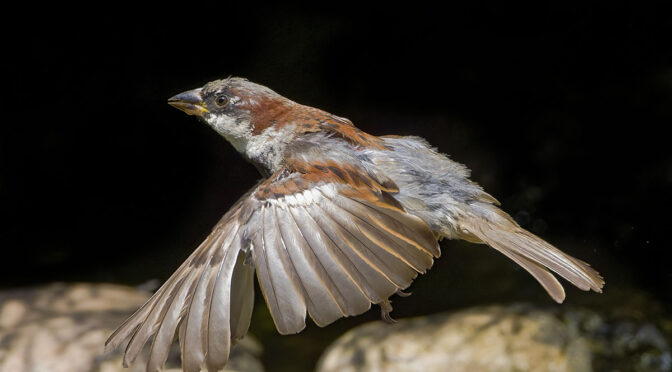
One of the challenges that I enjoy is photographing small BIF (birds-in-flight) in their environments, especially when amongst tree branches and other potential obstructions. Even very common birds like sparrows can take on an added dimension when capturing them in-flight in these situations.
Focus and Recompose Technique
Focus and recompose technique is something that was very commonly used back in the days when DSLRs only had a limited number of auto-focus points, mainly clustered around centre frame.
Importance of Frame Rate
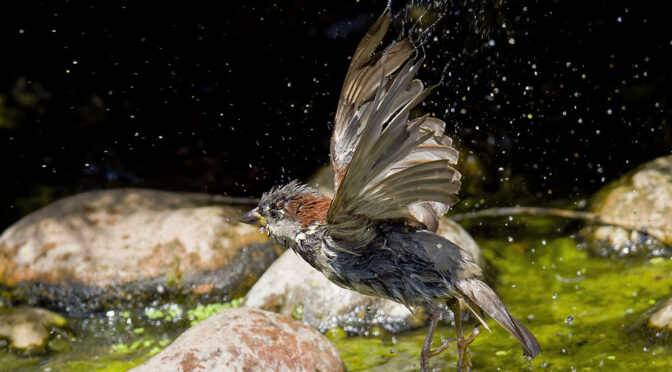
This article discusses the importance of frame rate, specifically when photographing perched birds and insects taking flight. As photographers each of us has our own approach on how we use our camera gear. I appreciate that many people use continuous auto-focus for the bulk of their photography that involves wildlife subjects in motion.

Bees with 150-600
This article features a selection of images of bees captured handheld with the M.Zuiko 150-600 mm f/5-6.3 IS zoom lens.