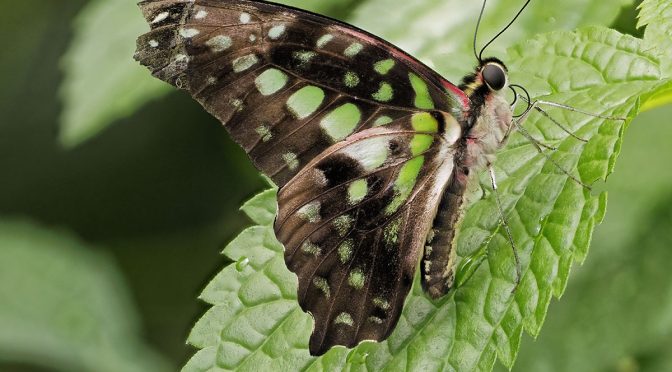
Yesterday I visited Niagara Falls with my wife, and took the opportunity to create some Floral Showhouse HHFS (handheld focus stacked) photographs.
All of the images featured in this article were captured handheld using an M.Zuiko 60 mm macro f/2.8 lens, along with the in-camera focus stacking technology resident in my E-M1X . I had my camera set to record and combine 10 photographs per capture, with a focus differential of 4.
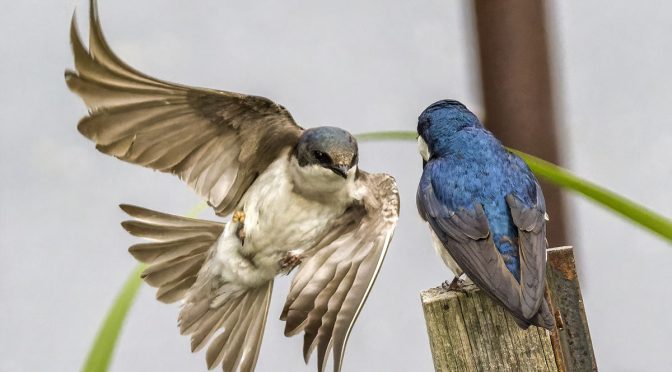
Back in May of this year I captured a special moment at ISO-10000 when doing a high ISO test at Biggar Lagoon Wetlands in Grimsby. Earlier in the day I had been successful photographing swallows in flight. It was getting later in the afternoon so I decided to change my approach and try some test images of swallows at ISO-10000 before I headed for home.
Since many of our readers own Olympus/OM Systems products I thought a lot of folks would like to read an OMDS in-depth interview recently done by Dave Etchells. Dave is well known in the photography industry and brings a wealth of experience and knowledge to his interviews.
This article discusses some small sensor tips in terms of photographic technique and working in post with RAW files. The intent of this posting isn’t to suggest that people should sell their current camera gear and switch to a small sensor system. Every photographer should do their own research to determine what format, brand, and model of camera best suits their needs.
Sometimes we find ourselves in situations where we’ve not captured any usable images during an outing and our focus becomes salvaging the day. Many of us would not want to spend most of the day out with our cameras… and drive 350 kilometers… with nothing to show for it. Such was the case yesterday.
After badly screwing up some initial image captures, I sometimes save these types of files specifically to do some experimenting in post later on. After all… if I mess up the files even more in post I really haven’t lost anything. The upside is that I may learn something useable by experimenting in post with them.
During a recent visit to Hendrie Valley I had the opportunity to capture some photographs of a Yellow-rumped Warbler. This is a very common bird found throughout much of North America. During breeding season their range extends into the far north reaching Alaska, the Yukon, the Northwest Territories, Nunavut and Labrador.
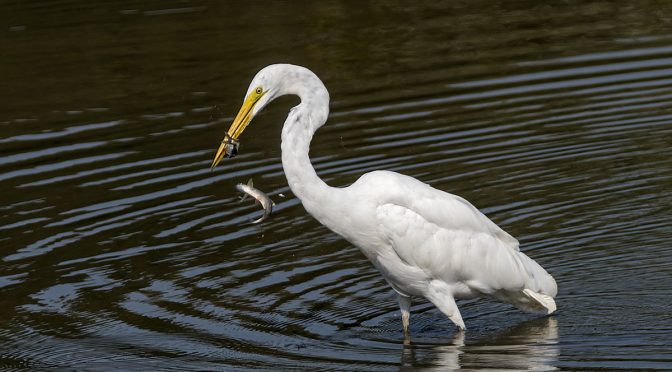
This short article features an egret simultaneously catching 2 fish and dropping 1 while fishing at Grindstone Creek in Hendrie Valley. All of the photographs were captured handheld using Pro Capture H technology.
Sometimes when we’re out with our cameras the world around us doesn’t cooperate, and only offers us slim pickings in terms of subject matter. Such was the case last Saturday. It was a very quiet morning for bird photography at Hendrie Valley. So… I left early and headed off to the Royal Botanical Gardens. Rather than being greeted by a plethora of flower image opportunities… slim pickings awaited me.
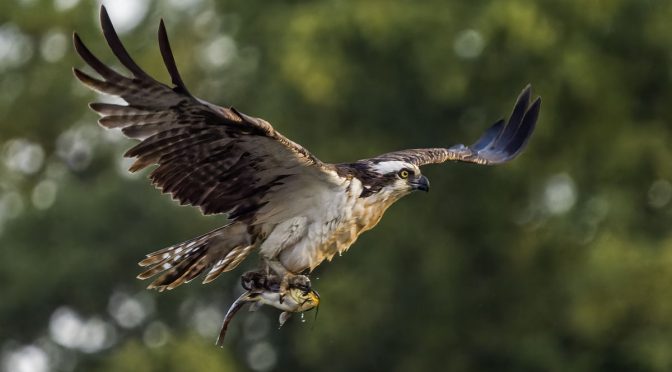
This article shares a selection of 14 handheld images of a red tailed hawk chasing an osprey, and discusses technology and technique. All of the photographs were captured at the ponds at Grindstone Creek in Hendrie Valley.
This website celebrates the joy of photography and features a wide range of photographic subject matter. The content is designed to appeal to a wide range of people interested in photography. The website also demonstrates the image creating capability of small sensor cameras including micro four thirds, 1", and 1/2.3" cameras.
You cannot copy content of this page
We use cookies to ensure that we give you the best experience on our website. This is an advertising free website and we do not use any kind of advertising tracking cookies. Your email address or any other information you provide as your subscription to the website is never sold to any other party. If you subscribe to this website your email address is used to send out notifications on new articles. If you continue to use this site we will assume that you are happy with our approach to cookie use.