
Yesterday I spent some time combining two macro technologies to see if they could be successfully used handheld in the field. I didn’t pick a particularly good day for this macro photography test as it was quite breezy around my yard. On the positive side, the weather added some interesting complexity to the endeavor.
NOTE: Click on images to enlarge. To view this article in a range of different languages click on the Canadian flag in the upper right corner.
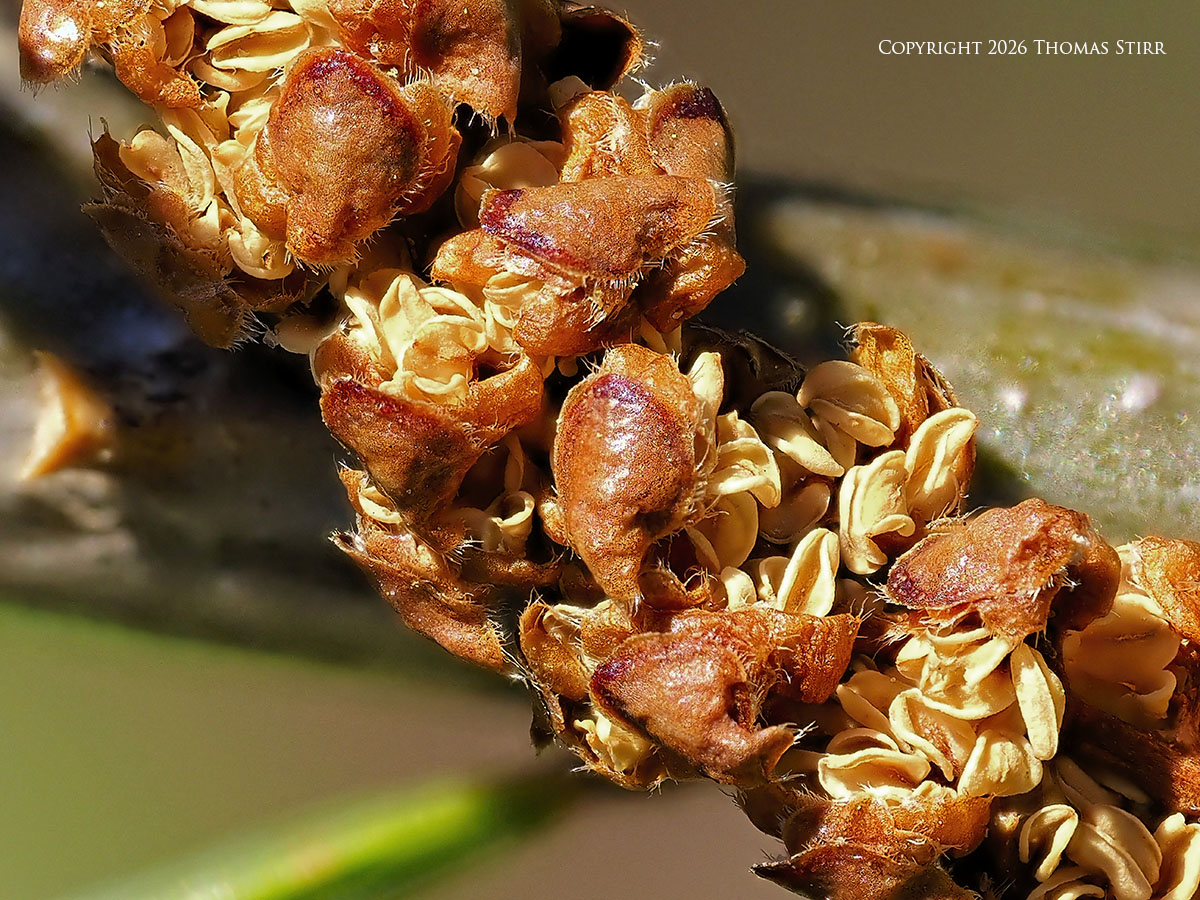
The two macro technologies that I combined for the images featured in this article were Handheld In-Camera Focus Stacking and my camera’s Digital Teleconverter. Using the in-camera Digital Teleconverter creates an equivalent field-of-view of 360 mm.
I suppose the first question that comes to mind is why bother doing this kind of field test? One answer could simply be to take on a challenge to see what would happen… and there’s always good fun in pursuing a challenge. 🙂
In this case there was a specific macro situation that I had in mind that prompted me to do this handheld macro test. Sometimes we are unable to get as close as we would like to a specific macro subject and we end up having to crop our image. This can sometimes be problematic when using Handheld In-Camera Focus Stacking as the output is a jpeg… and the latitude we have in post is somewhat limited.
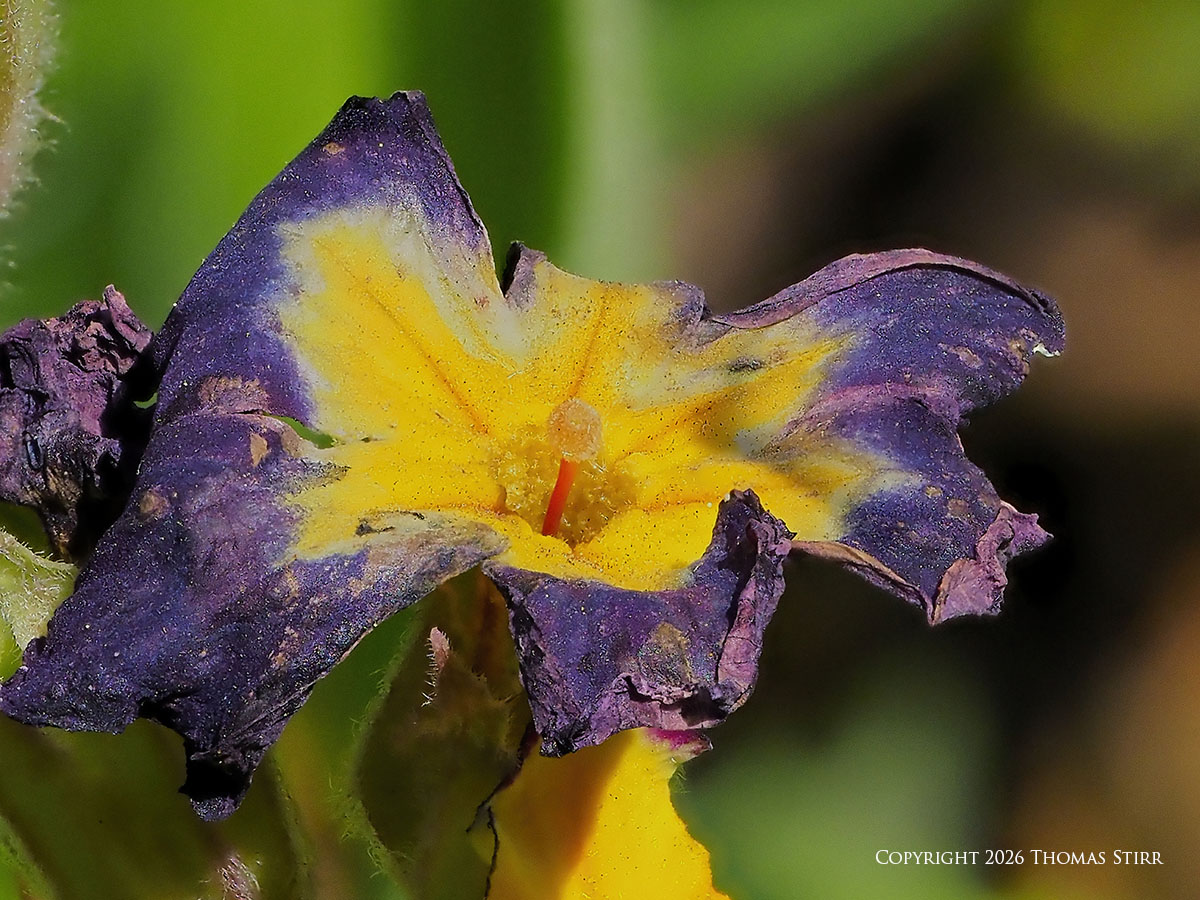
It occurred to me that if I was going to use Handheld In-Camera Focus Stacking anyway… and accept the resulting out-of-camera jpeg… there wouldn’t be any additional penalty combining that technology with my camera’s Digital Teleconverter… as that output is also a jpeg.
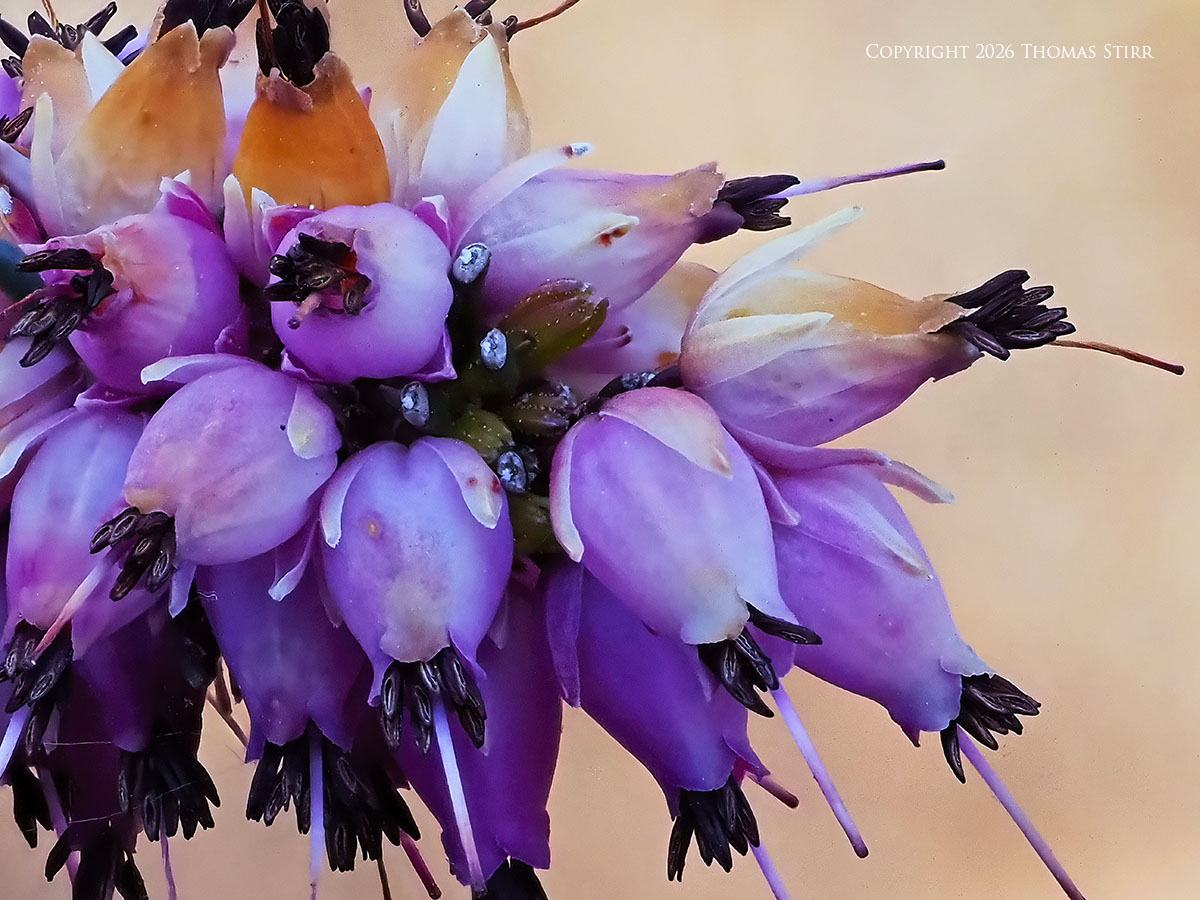
So, if a photographer wanted to get more magnification in their image without losing light by not using a 2X teleconverter (with the M.Zuiko 90 mm PRO IS macro), or extension tubes… could combining these two macro technologies be a pragmatic solution in specific situations when more magnification was needed?
In many situations we may not have a 2X teleconverter or extension tubes with us… so the in-camera Digital Teleconverter may be our only realistic option to increase magnification.
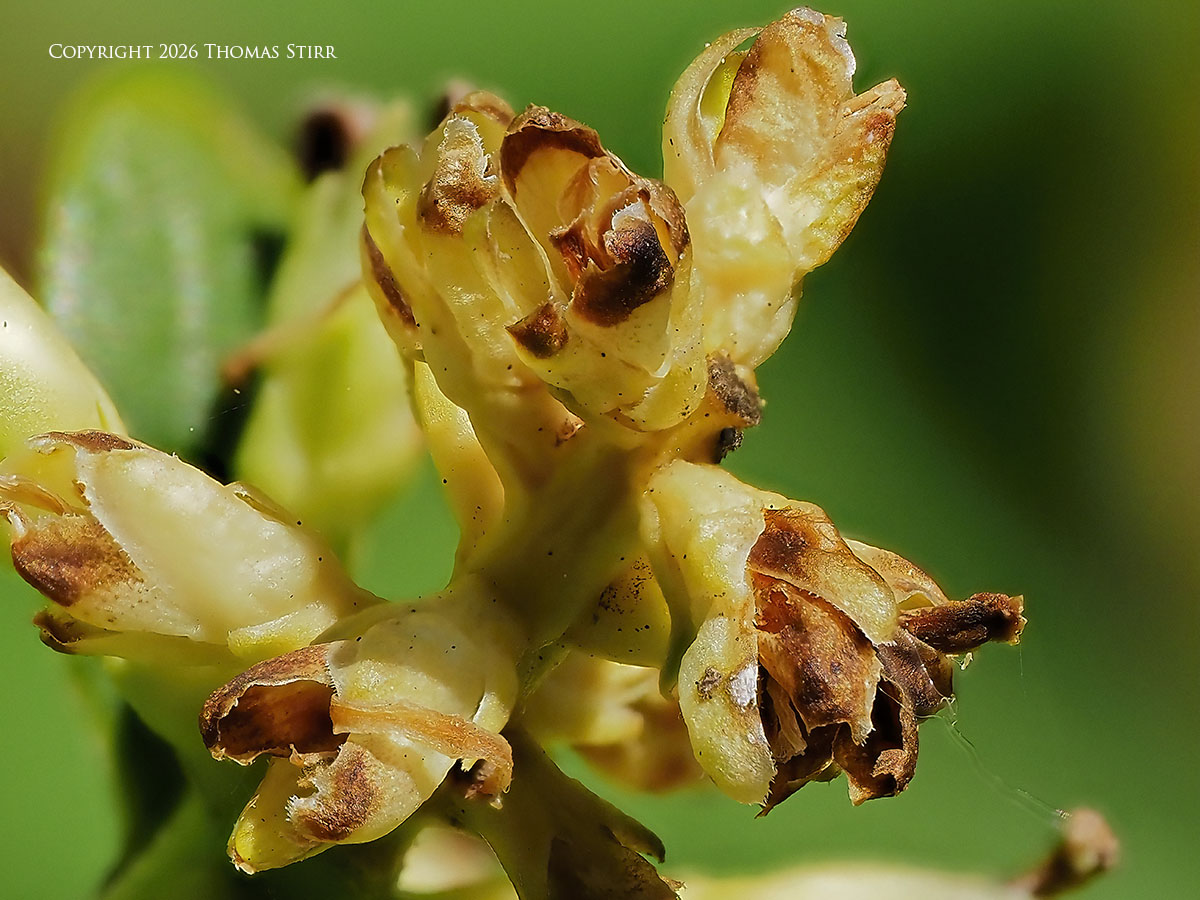
After capturing a good selection of images, my initial assessment was that this combination could work… depending on the end use of the resulting macro jpeg image. This isn’t an approach I would use to produce large prints… but there may be some potential for internet postings and smaller sized prints.
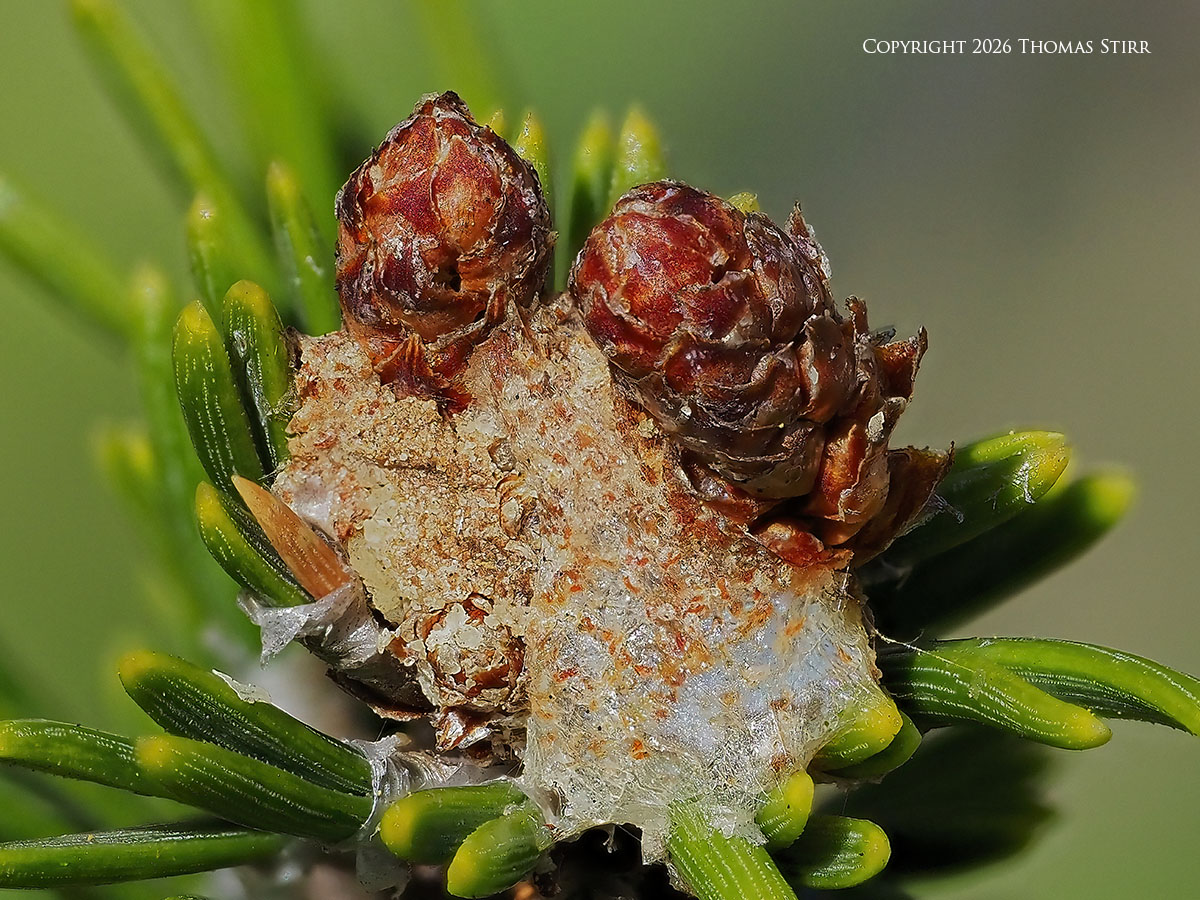
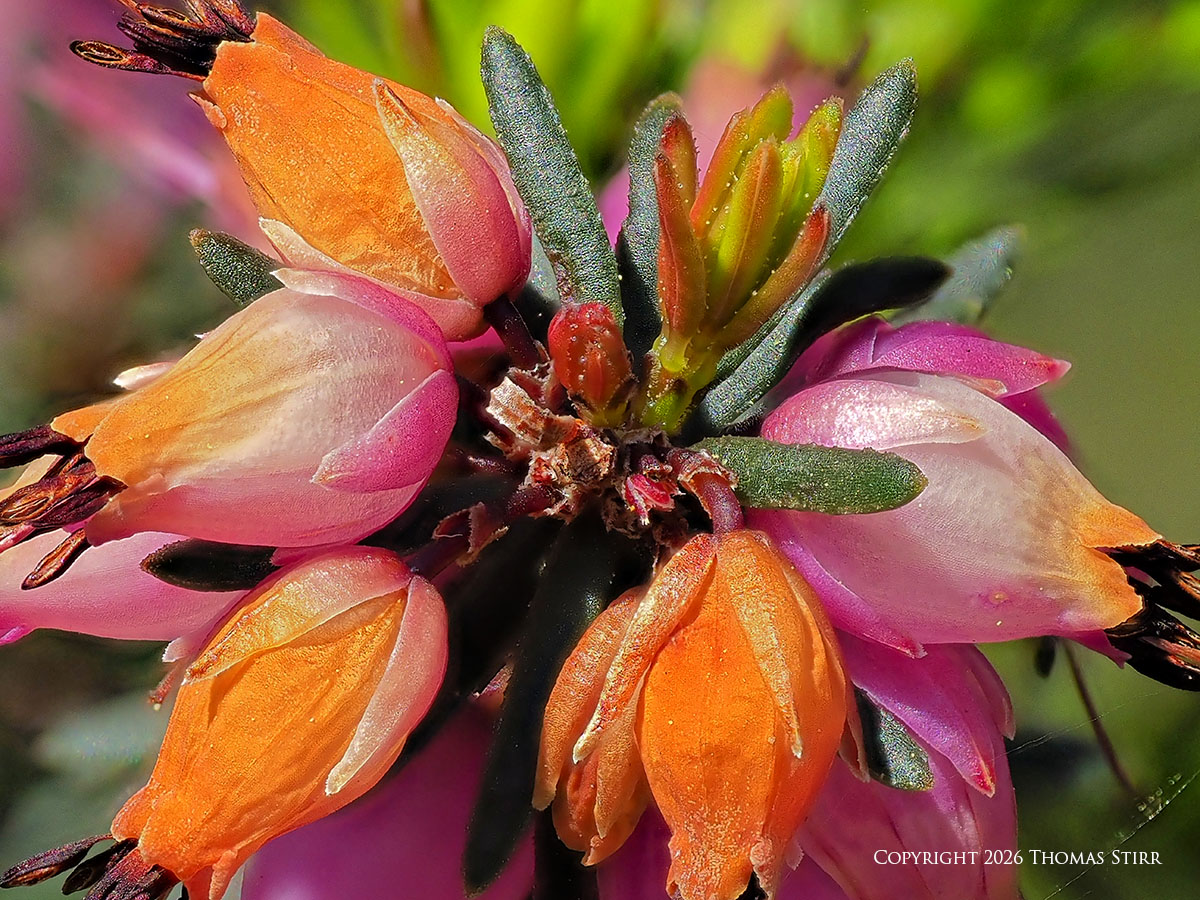
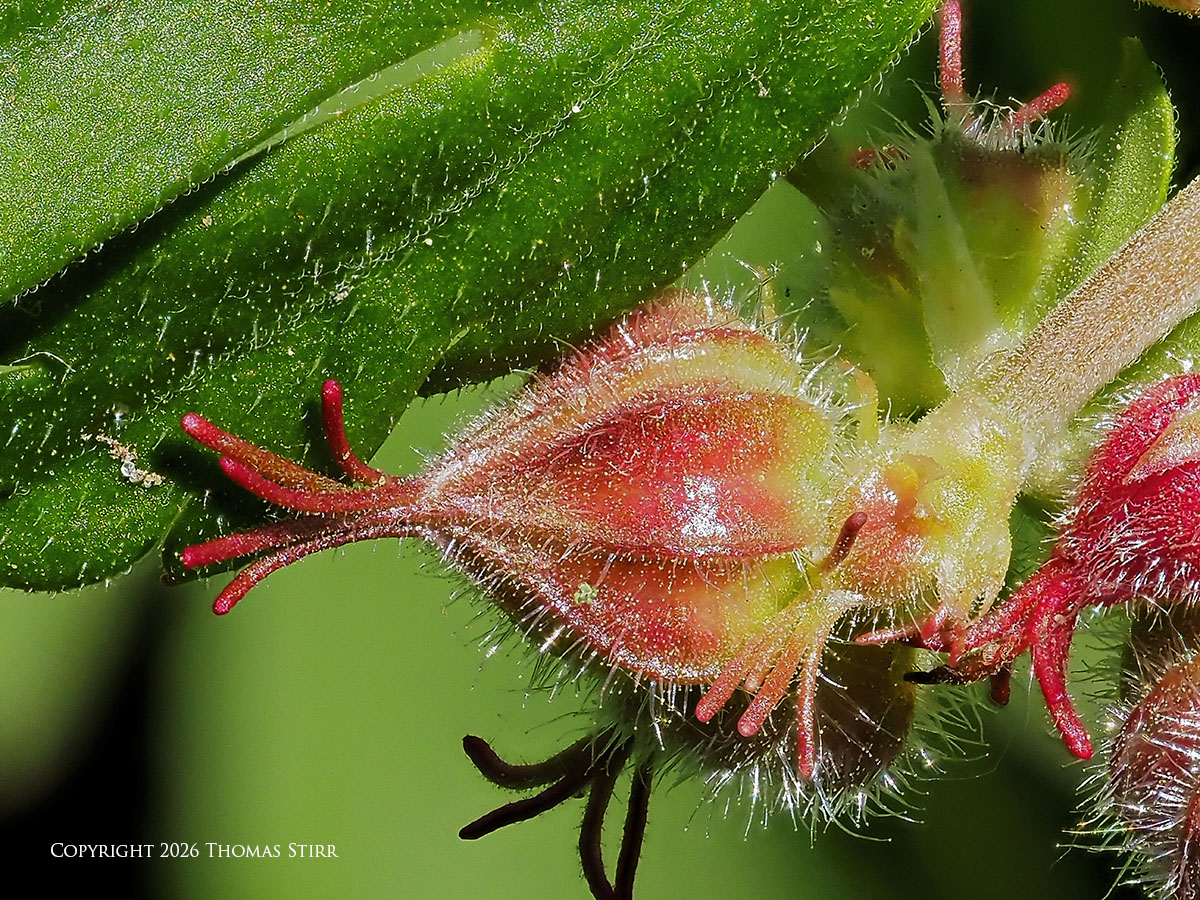
As you review the test images in this article you will be able to see some artifacts and some ghosting. Given the breezy conditions I actually thought these issues would be much worse than what was actually captured in the images. Under more favourable conditions I would anticipate cleaner images in terms of far fewer artifacts and less ghosting.
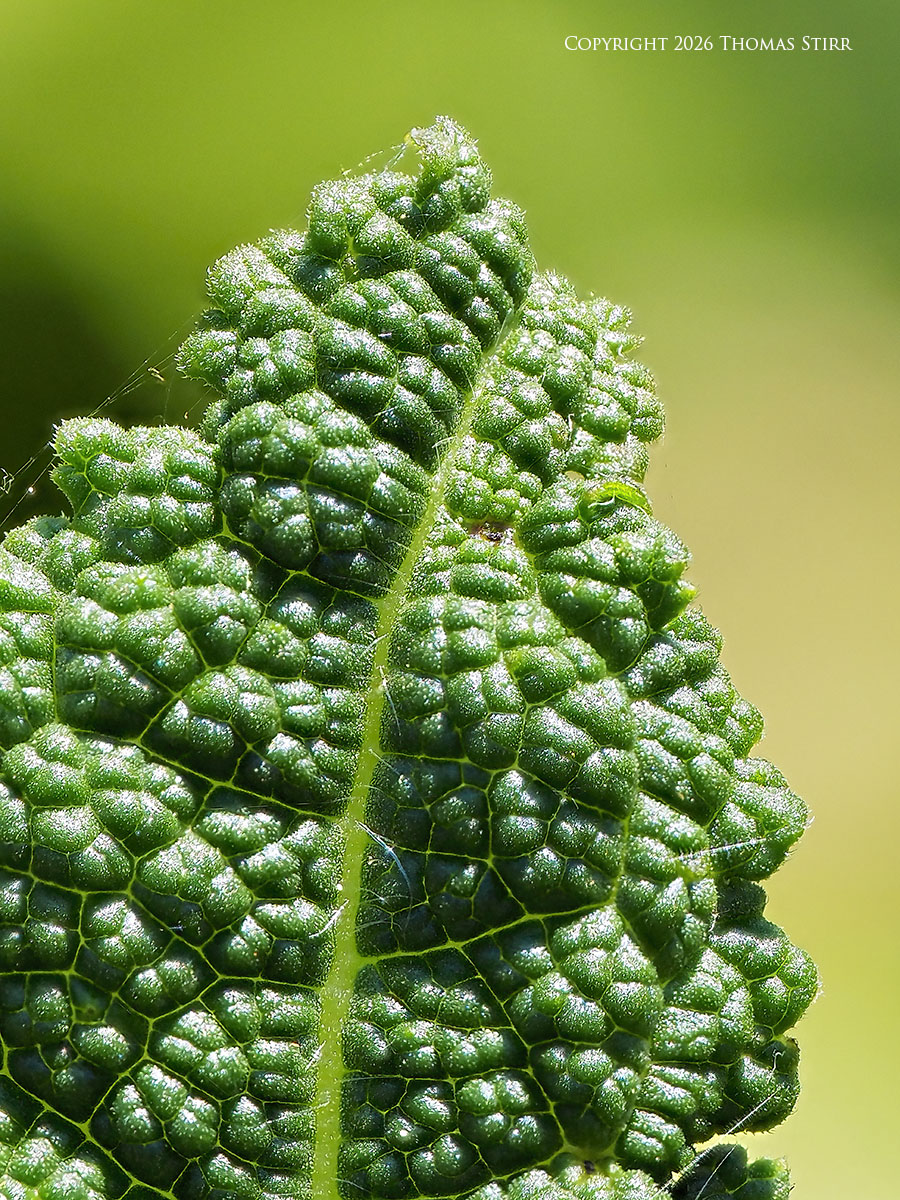
I spent almost no time on these images in post. I ran them through my DxO PhotoLab custom pre-set for 90 mm macro images with perhaps a minor highlight tweak. Then exported a jpeg into an old copy of PhotoShop CS6 where I adjusted levels… then finished the files with a quick run through Topaz DeNoise AI.
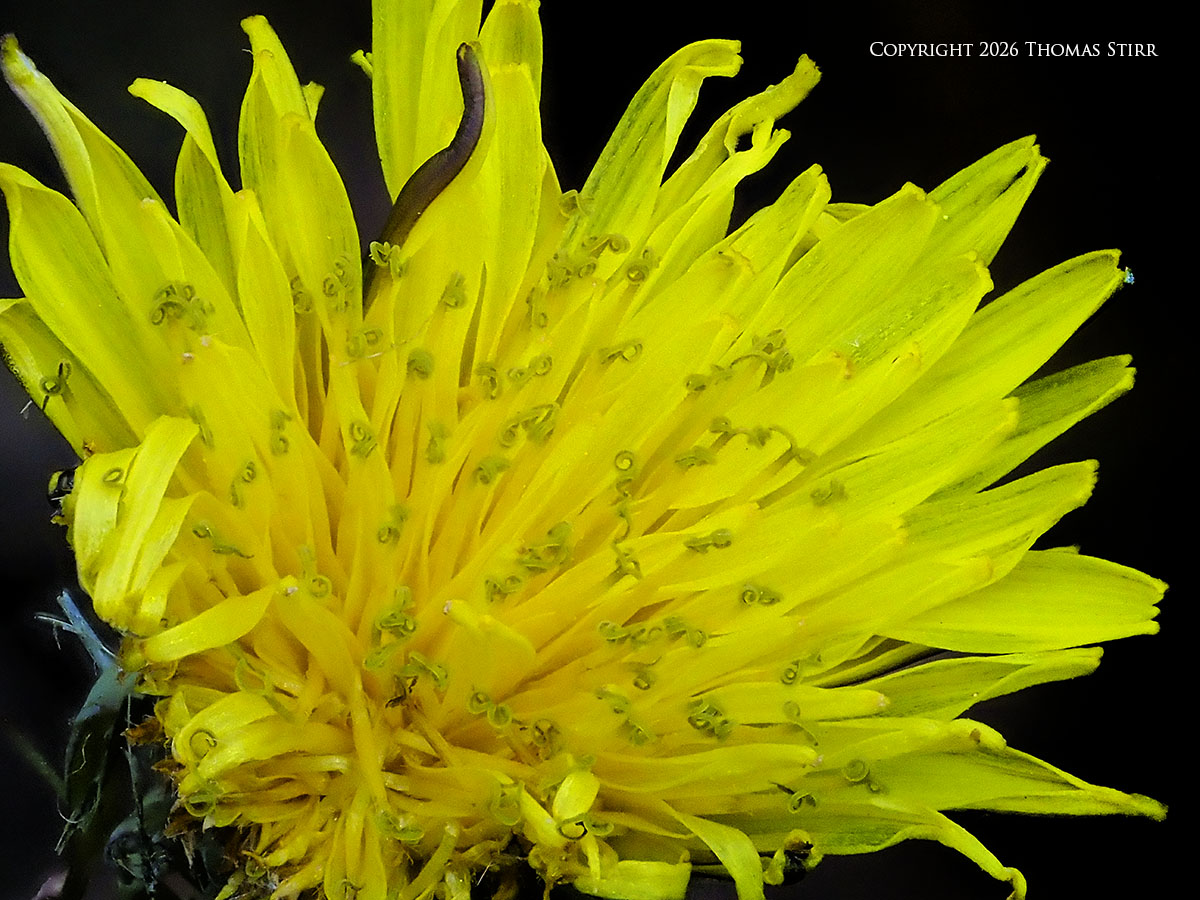
I did do some quick burning with one of the of images to add some dramatic effect… but even that took less than a minute to do. Most of the images featured in this article were in and out of post in less than 3 minutes including computer time.
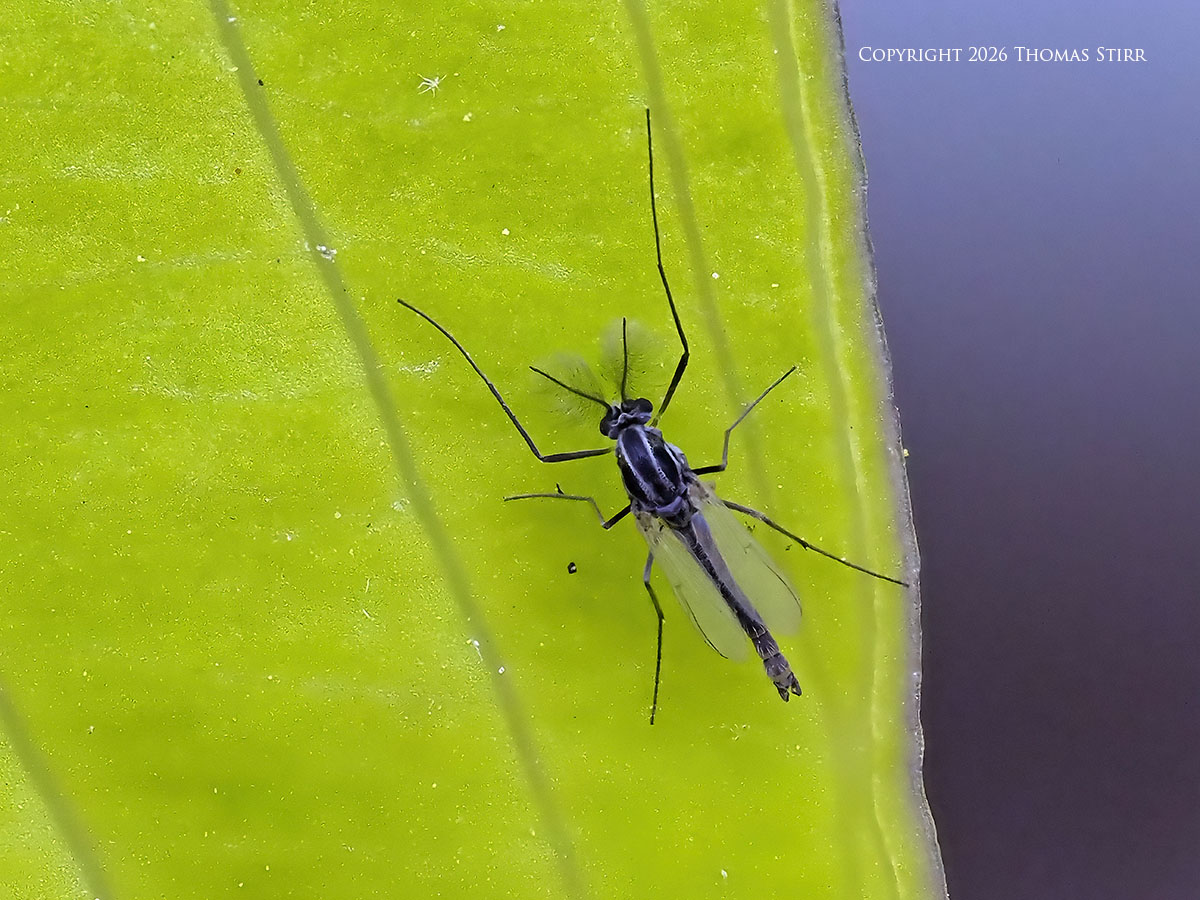
There were precious few opportunities to use this combination of macro technologies on insects. The breeze was just too sustained in most parts of my yard.
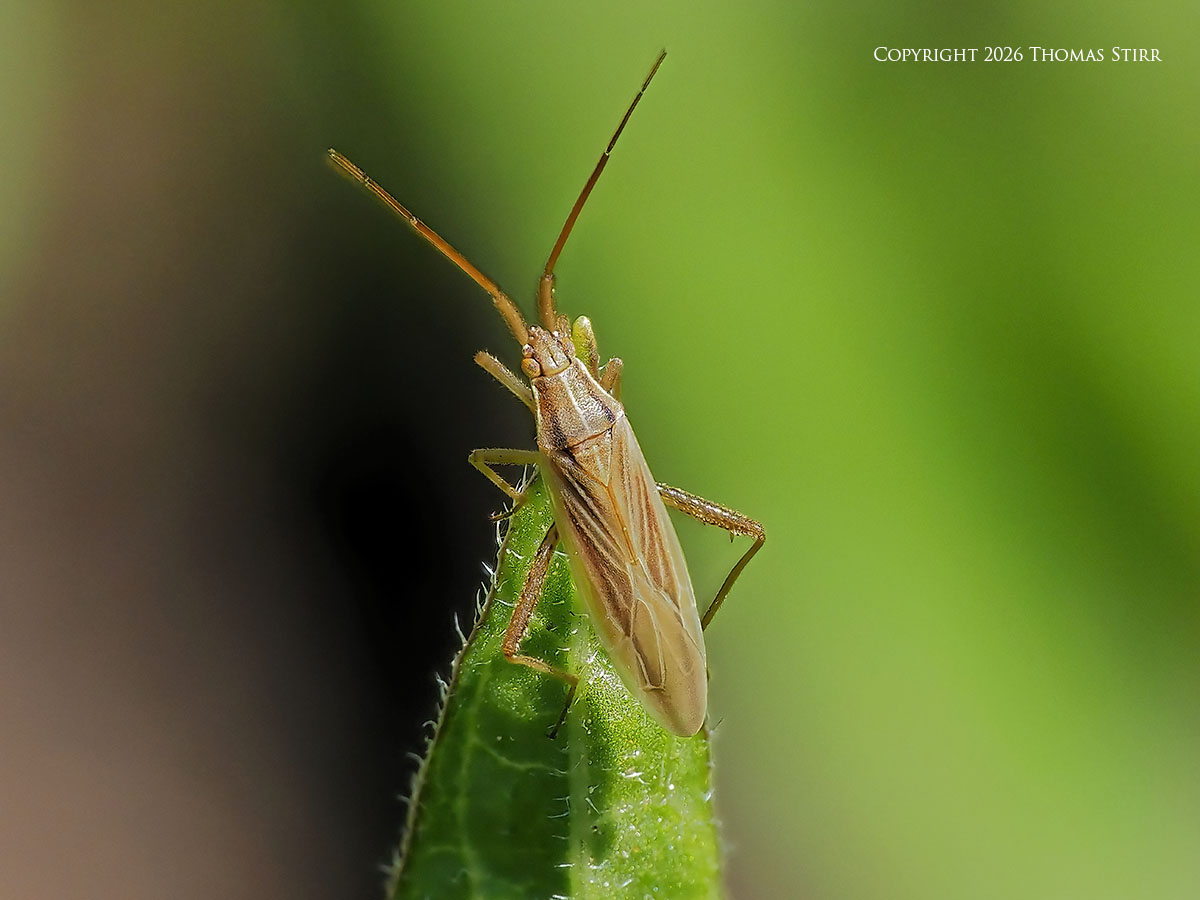
I had to keep focused on a subject insect for several minutes as it bobbed around in the breeze. In some cases the insect would be blown right out of my composition and I’d have to wait for it to reappear once the breeze subsided.
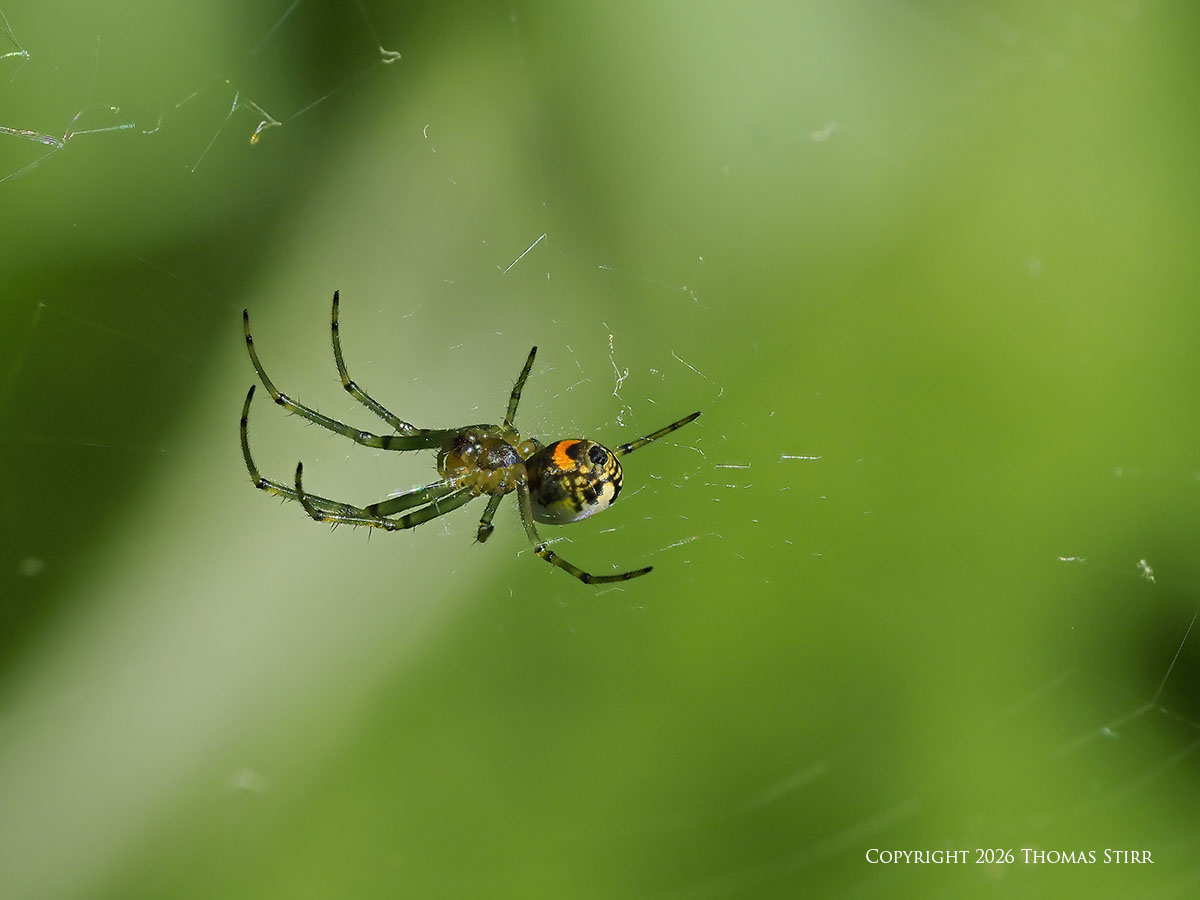
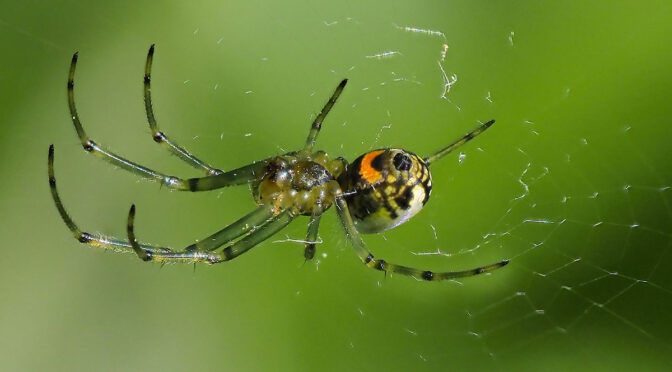
I found a single, tiny spider on a web in my front yard. It was only about half of the length of the fingernail on my index finger. The image above was captured using Handheld In-Camera Focus Stacking… but without the Digital Teleconverter.
I captured this image to act as a baseline size and thus help illustrate the impact of combining macro technologies when doing handheld macro photography.
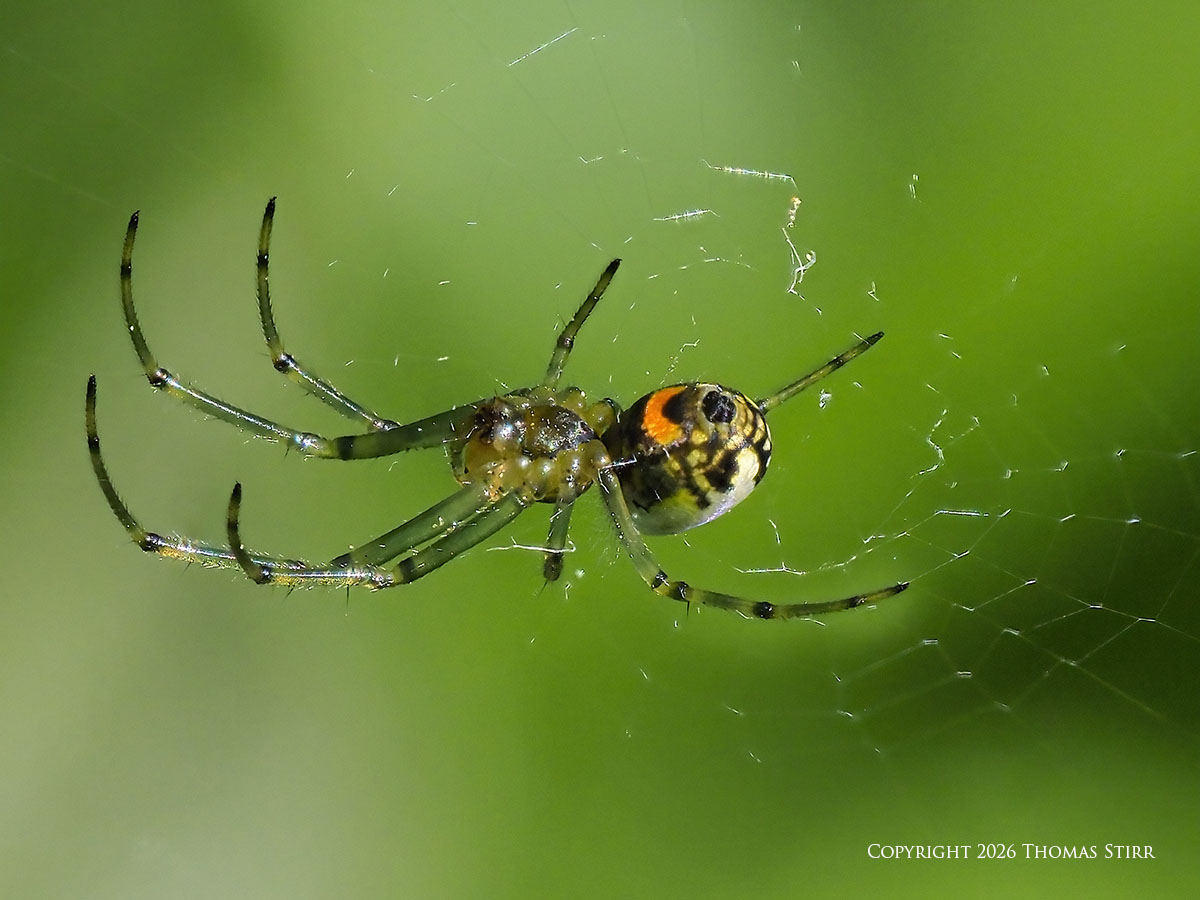
The image above is of the same spider but combining macro technologies (i.e. Handheld In-Camera Focus Stacking with Digital Teleconverter). If you check the EXIF data you’ll find that all of the settings are identical. The only difference is the distance to subject is slightly further away with the image above. This was my favourite test image of the day.
Combining macro technologies does take a lot of shot discipline. For example, I had my camera framed on the spider in the above photograph for almost five minutes waiting for the breeze to settle down sufficiently to capture this image. The tiny spider kept on blowing in and out of my composition at the whims of the breeze.
All of the photographs in this article are displayed as full frame captures without any cropping. I used a stack of 15 frames with a Focus Differential of 3 for all of the images in this article. A single auto-focus point was used for all of the photographs. As is my standard practice, I used a short stool for all of the photographs in this article.
Technical Note
Photographs were captured handheld using camera gear as noted in the EXIF data. All images were created from out-of-camera jpeg files using my standard process in post. I used a stack of 15 frames with a Focus Differential of 3 for all of the images in this article. This is the 1528 article published on this website since its original inception in 2015.
How you can keep this website advertising free
My intent is to keep this photography blog advertising free. If you enjoyed this article and/or my website and would like to support my work, you can purchase an eBook, or make a donation through PayPal (see Donate box below). Both are most appreciated.

You may be interested in macro and close-up photography with some emphasis on blossoms, bugs and butterflies. If that’s the case our 210 page eBook Blossoms, Bugs & Butterflies may be of interest. It is available for download for an investment of $14.99 CDN. The best view experience will be at 100% using Adobe Acrobat Reader.
You may enjoy bird photography, and if so our 188 page eBook Handheld Bird Photography may be of interest. It is available for download for an investment of $14.99 CDN. The best viewing experience of this eBook will be at 100% using Adobe Acrobat Reader.
Sometimes all we need as photographers is a bit of inspiration. We hope you can find some of that inside Finding Visual Expression II.

Finding Visual Expression II is available for download for an investment of $11.99 CDN. The best viewing experience of this eBook will be at 100% using Adobe Acrobat Reader.
You may be interested in all of the 30 concepts covered in both of these related eBooks. If so, you may want to also consider Finding Visual Expression.

Finding Visual Expression is available for download for an investment of $11.99 Cdn. The best viewing experience of this eBook will be at 100% using Adobe Acrobat Reader.
Our other eBooks include Images of Ireland, New Zealand Tip-to-Tip, Nikon 1: The Little Camera That Could, Desert & Mountain Memories, Images of Greece, Nova Scotia Photography Tour, and a business leadership parable… Balancing Eggs.
If you click on the Donate button below you will find that there are three donation options: $7.50, $10.00 and $20.00. All are in Canadian funds. Plus, you can choose a different amount if you want. You can also increase your donation amount to help offset our costs associated with accepting your donation through PayPal. An ongoing, monthly contribution to support our work can also be done through the PayPal Donate button below.
You can make your donation through your PayPal account, or by using a number of credit card options.
Word of mouth is the best form of endorsement. If you like our website please let your friends and associates know about our work. Linking to this site or to specific articles is allowed with proper acknowledgement. Reproducing articles, or any of the images contained in them, on another website or in any social media posting is a Copyright infringement.
Article and images are Copyright 2026 Thomas Stirr. All rights reserved. No use, duplication or adaptation of any kind is allowed without written consent. If you see this article reproduced anywhere else it is an unauthorized and illegal use. Posting comments on offending websites and calling out individuals who steal intellectual property is always appreciated!
Hi Tom,
Many thanks for the article and the comparison of handheld internal focus staking with and without digital teleconverter. I like the approach and the pictures quite a lot.
However, I miss some final conclusion.
What is, in you view, the advantage of the combination compared to simple cropping the picture?
It seems that cropping is so little effort that there is no real advantage in the processing of the image.
Is there some more detail in the combination of digital converter with stacking?
Looking forward to your insights.
Many thanks and all the best,
Stephan
Hi Stephan,
My field work was an experiment to see if the combination would work. Whether someone wants to use this combination, rather than another approach, really comes down to the potential use of the image and the photographer’s interest in experimenting.
Using a an MC-20 2X teleconverter may create somewhat better quality results than the digital teleconverter, but there would be a loss of light… which would then result in the use of a higher ISO value. So there is a trade-off. Aggressive cropping could result in quality loss, depending on the end use of the image… e.g. using the file for an enlarged print.
The choice that a photographer makes would depend on the end use of the image, shooting conditions at the time the image was created, and the photographer’s level of handheld skill.
On a personal basis I would likely go the 2X physical teleconverter route since the resulting output would be a RAW file giving me more latitude in post. If I was producing a smaller sized print or using an image online… I’d likely choose the digital teleconverter. My last option would be an aggressive crop. But… those are just my choices… they may not be what another photographer would choose.
Tom
Hi Thomas, Thanks a lot for your quick response. I still wonder why the digital teleconverter with stacking results in a somewhat better quality than a 2x crop in post production. Always thought that this equivalent. So, I will definitely test this tip out.
Many thanks
Stephan
Hi Stephan,
My response was based on what I would prefer based on specific usage situations which I indicated in my reply… not which approach was universally “better”. One always needs to consider context and specific image use before deciding on which approach to use.
Tom
Hi Thomas. What your opinion about the comparison between DxO Photolab9 and DxOPureRaw6 for Om System canera’s raw editing. Thanks for your support
Hi Livio,
I’ve never used either one of those programs so I am unable to comment. I use DxO PhotoLab7.
Tom
any case, thanks, Regrds, Livio