Before investing in camera gear it is critical that we have a clear understanding of our shooting style, as this helps us avoid making gear purchase mistakes.
In a previous article, I recently let readers know that I would not be
purchasing the M.Zuiko PRO 90mm f/3.5 Macro IS lens. I received a few emails from readers requesting more information and explanation.
The main objective of this article is to share some examples of cropping with HHHR technology, specifically with macro type photography. Additionally, a couple of links to earlier articles that outline some of the benefits of Handheld Hi Res (HHHR) technology are also provided. These two earlier articles covered how HHHR increases dynamic range, and how HHHR does a very good job reducing noise when higher ISO values are used.
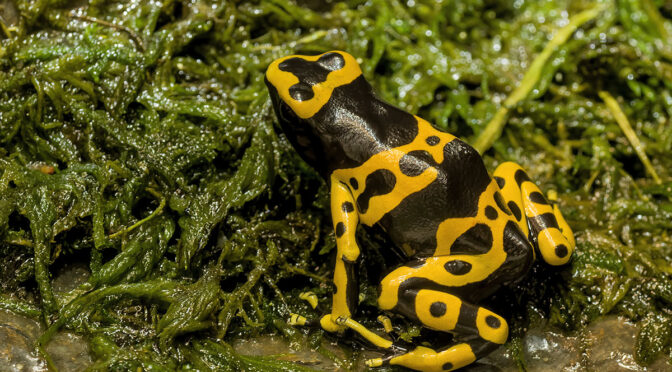
The article features some M.Zuiko MC-20 Hi Res test images of frogs, captured handheld during a recent visit to the Royal Botanical Gardens. These test photographs were created using an E-M1X with an M.Zuiko PRO 40-150 mm f/2.8 zoom lens.
This article features a selection of handheld focus stacked HHFS frog images that were captured at the Royal Botanical Gardens using an M.Zuiko 60 mm f/2.8 macro lens. As noted in a previous article, my E-M1X was set to 10 focus stacked frames with a focus differential of 4.
This article discusses using slow shutter speeds with handheld focus stacking (HHFS), and shares some new macro snake images captured with shutter speeds from 1/20 to 1/4 of a second.
Yesterday I visited a special frog display at the Royal Botanical Gardens… which also happened to have a trio of water snakes in one of the exhibits. The event gave me the opportunity to get some practice time in doing handheld in-camera macro focus stacking. Continue reading Slow Shutter HHFS→
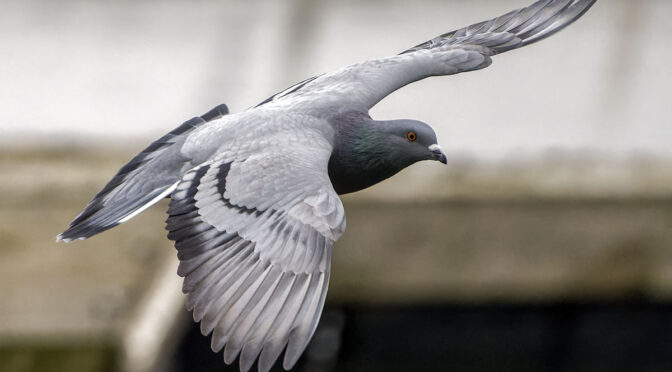
This weekend I went out to LaSalle Park and captured some bird photography with the M.Zuiko 75-300 mm f/4.8-6.7 II zoom lens. I appreciate that some readers would like to see more samples of bird photography captured with affordable gear like the M.Zuiko 75-300 mm f/4.8-6.7 II zoom lens… so I made some time to do so on Saturday.
The weather was grey, dull and overcast. Far from the kind of conditions that I would typically favour… but ideal to do some camera and lens testing! So, I grabbed my wife’s E-M1 Mark III fitted it with the M.Zuiko 75-300 mm zoom… then headed off to LaSalle Park.
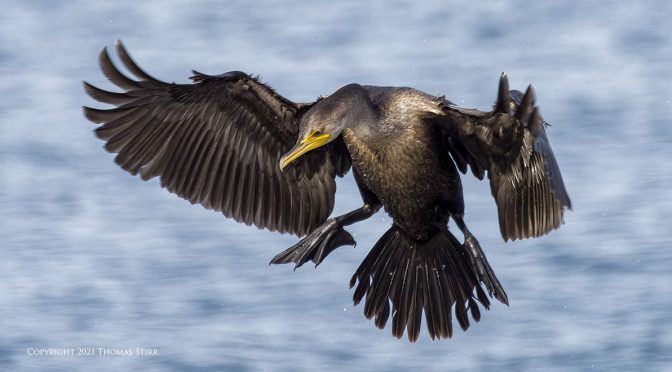
Regardless of how much we may enjoy photographing birds-in-flight there is a risk that BIF boredom can set in from time to time. On a personal basis I find this risk most often surfaces during late fall/early winter and during the hottest summer months. During these time periods we are in-between major bird migration movements. As a result the overall variety and number of birds can be reduced. The local species that remain may seem uninteresting to us from a photographic perspective.
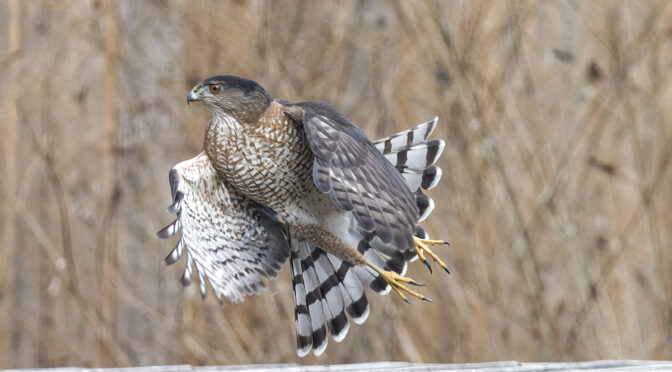
This article features 15 consecutive Pro Capture H images of a Sharp-shinned hawk taking flight in my backyard. My wife noticed the hawk landing on the pergola at the rear of our yard and called out to me. All I had time to do was grab my camera from the family room and quickly capture this image run through my kitchen window.
When it comes to our choice of camera equipment, the only thing that ultimately matters is ‘getting the shot’… regardless of the brand of gear used. Many internet chat rooms and YouTube channels still seem glutted with discussions/arguments about camera specifications and the relative advantages or disadvantages of various camera models. Some even tout ‘battles’ between brands/models. *sighs*Continue reading Getting The Shot→
Today marks the end of Year 8 for this photography website with 1,237 articles having been published since 2015, and 127 added this year. It certainly has been an interesting ride to be here with all of you again this year.
This website celebrates the joy of photography and features a wide range of photographic subject matter. The content is designed to appeal to a wide range of people interested in photography. The website also demonstrates the image creating capability of small sensor cameras including micro four thirds, 1", and 1/2.3" cameras.
You cannot copy content of this page
We use cookies to ensure that we give you the best experience on our website. This is an advertising free website and we do not use any kind of advertising tracking cookies. Your email address or any other information you provide as your subscription to the website is never sold to any other party. If you subscribe to this website your email address is used to send out notifications on new articles. If you continue to use this site we will assume that you are happy with our approach to cookie use.