
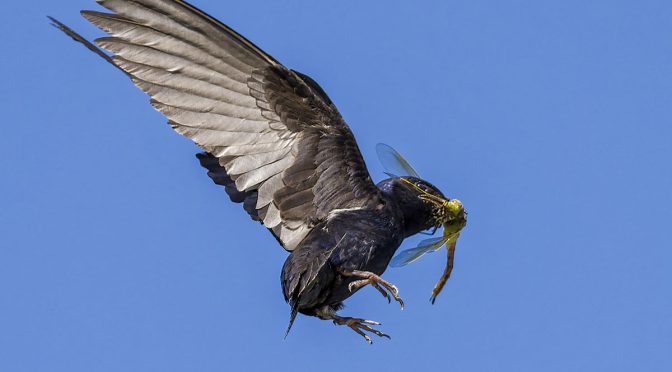
This article features a collection of new images of purple martins using Bird AI Subject Tracking and Pro Capture L. All photographs were captured handheld during a recent visit to Ruthven Park in Cayuga Ontario.
Category Archives: Articles by Sensor Size
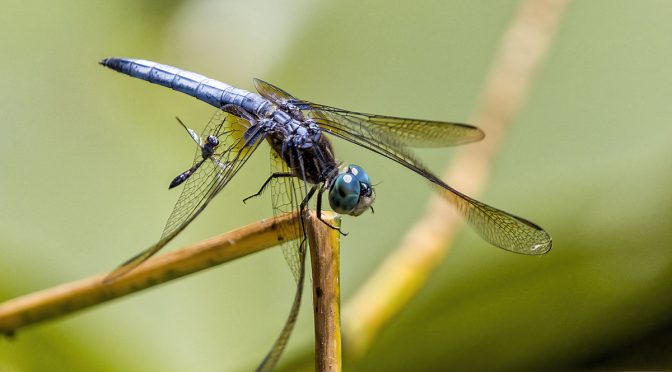
Dragonfly Being Attacked
This short article features 6 consecutive images of a dragonfly being attacked by a much smaller insect, perhaps of wasp of some sort. All of the photographs were captured handheld using my E-M1X’s Pro Capture H technology.

Taking a Breath
Sometimes taking a breath and experiencing the miracle of our bodies in that simple act, can be incredibly life affirming. We’re here for such a short period of time and squander so many of our precious moments with wasteful pursuits and unkind acts. We can fill our minds with a multitude of concerns. Some real. Some imagined. And… most won’t make any difference tomorrow. Next week. Or next year.

Knowing Someone
Knowing someone can be a daunting challenge as we stumble on our journey through a sea of humanity, emotions and experiences. The depth of our human experience is one of personal variability. Some lives are lived in a perpetual state of skimming the surface, barely scratching what it means to be human.
Tripod Or Stool
Depending on the camera gear a photographer owns, their choice for some additional stabilization or acquiring a difficult shooting angle, may come down to using a tripod or stool. It has been over three years since I began shooting with Olympus M4/3 camera gear and thus far I’ve not had any need to use any of my tripods or a monopod. This would change if I began to experiment with light painting using the Live Composite mode.

Dragonflies at the RBG
I recently had the opportunity to photograph some dragonflies at the RBG (Royal Botanical Gardens) that were frequenting one of the ponds. The breeze was a bit calmer than it has been in the past so I decided to try my hand at some Handheld Hi Res images, as well as capturing some dragonflies in flight.

Benefit of Custom Modes
This article discusses the benefit of custom modes and illustrates this with 18 recently captured consecutive handheld images of a kingfisher in flight.
A few days ago I went to Hendrie Valley early in the morning to see if I could capture any images of birds-in-flight. This season has not been particularly productive so my level of optimism was modest.
HHFS Macro
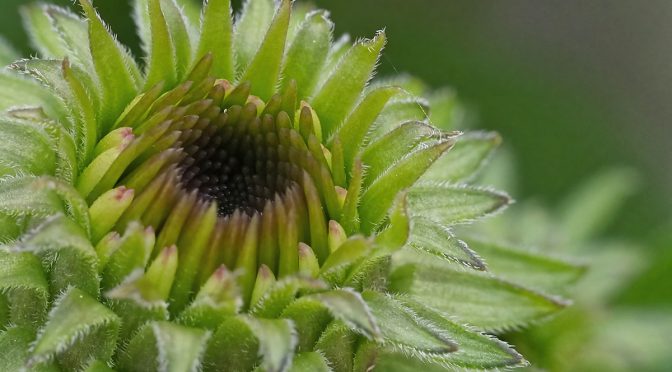
This article features some in-camera HHFS macro flower photographs captured with a 16mm extension tube and M.Zuiko 60 mm f/2.8 macro lens. Falling firmly into the ‘test’ category, the images in this posting were created simply to see what would happen when macro flower images were captured handheld using in-camera focus stacking technology, and a 16 mm extension tube.

Stand By Generator
We recently had a home stand by generator installed, and I thought some readers may have an interest in the decision considerations we faced. The intent of this article is not to promote any specific brand of home stand by generator, but rather discuss some of the factors that should be contemplated.

Open Garden Week
After a two year hiatus caused by COVID-19 the Hamilton Spectator Open Garden Week has returned and is in full swing. My wife is an avid gardener and she has always enjoyed visiting local gardens and talking “all things gardening” with the homeowners. This article shares a selection of images that we captured over the last few days.