
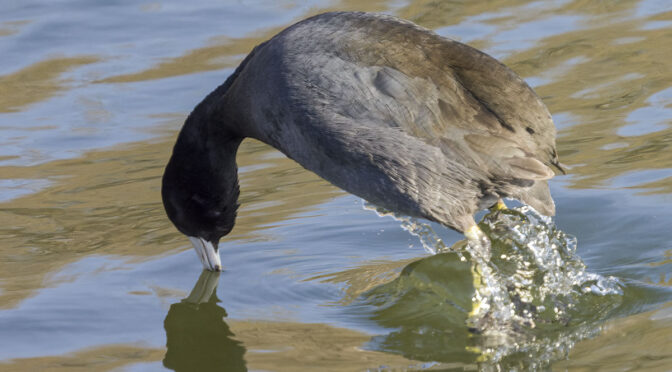
This article discusses photographing coots diving… shares some new images… and provides some insights to help anticipate this behaviour. All of the images featured in this article were captured handheld using an E-M1X with an M.Zuiko 100-400mm f/5-6.3 IS zoom lens, and utilizing Pro Capture H.
Category Archives: Micro 4/3 (OM-D/M.Zuiko)

Shooting Style
Before investing in camera gear it is critical that we have a clear understanding of our shooting style, as this helps us avoid making gear purchase mistakes.
In a previous article, I recently let readers know that I would not be
purchasing the M.Zuiko PRO 90mm f/3.5 Macro IS lens. I received a few emails from readers requesting more information and explanation.

M.Zuiko 90mm Macro
OM Systems has introduced the M.Zuiko 90mm macro f/3.5 lens which features IS Sync, focus limiter, and the ability to accept teleconverters. Since I won’t be doing a review of this lens or purchasing one in the future, I thought readers would like access to some early information on this lens. Continue reading M.Zuiko 90mm Macro

Investment Decisions
Regardless of the sensor format and brand we may choose, we all face investment decisions when considering various cameras and lenses. This article utilizes some current data and compares the relative costs and weight of my ‘low light’ PRO M4/3 lenses with comparable Nikon mirrorless full frame lenses. I did not include comparisons with other full frame brands simply because I don’t have any personal experience with them. Photographers can do similar comparisons with any equipment they are considering.
Cropping with HHHR
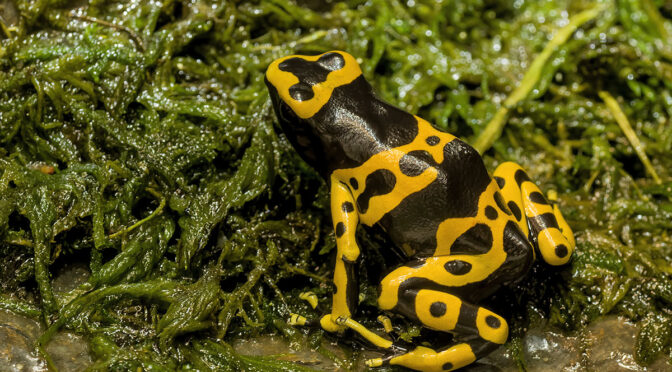
The main objective of this article is to share some examples of cropping with HHHR technology, specifically with macro type photography. Additionally, a couple of links to earlier articles that outline some of the benefits of Handheld Hi Res (HHHR) technology are also provided. These two earlier articles covered how HHHR increases dynamic range, and how HHHR does a very good job reducing noise when higher ISO values are used.

MC-20 Hi Res Test
The article features some M.Zuiko MC-20 Hi Res test images of frogs, captured handheld during a recent visit to the Royal Botanical Gardens. These test photographs were created using an E-M1X with an M.Zuiko PRO 40-150 mm f/2.8 zoom lens.

HHFS Frog Images
This article features a selection of handheld focus stacked HHFS frog images that were captured at the Royal Botanical Gardens using an M.Zuiko 60 mm f/2.8 macro lens. As noted in a previous article, my E-M1X was set to 10 focus stacked frames with a focus differential of 4.

Slow Shutter HHFS
This article discusses using slow shutter speeds with handheld focus stacking (HHFS), and shares some new macro snake images captured with shutter speeds from 1/20 to 1/4 of a second.
Yesterday I visited a special frog display at the Royal Botanical Gardens… which also happened to have a trio of water snakes in one of the exhibits. The event gave me the opportunity to get some practice time in doing handheld in-camera macro focus stacking. Continue reading Slow Shutter HHFS
Bird Photography with 75-300
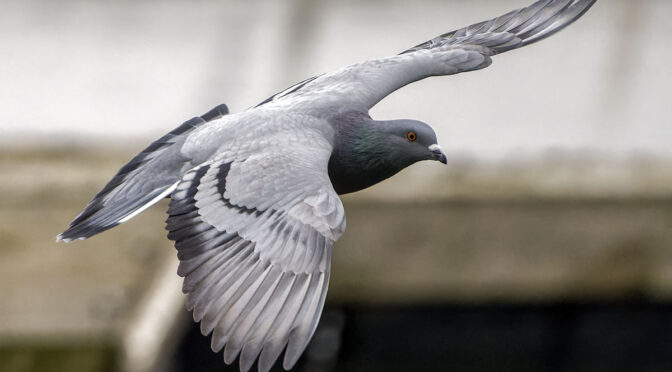
This weekend I went out to LaSalle Park and captured some bird photography with the M.Zuiko 75-300 mm f/4.8-6.7 II zoom lens. I appreciate that some readers would like to see more samples of bird photography captured with affordable gear like the M.Zuiko 75-300 mm f/4.8-6.7 II zoom lens… so I made some time to do so on Saturday.
The weather was grey, dull and overcast. Far from the kind of conditions that I would typically favour… but ideal to do some camera and lens testing! So, I grabbed my wife’s E-M1 Mark III fitted it with the M.Zuiko 75-300 mm zoom… then headed off to LaSalle Park.

Handheld Macro
This article discusses handheld macro photography and why I prefer using my Olympus E-M1X and M.Zuiko 60 mm macro lens over the full frame gear I owned in the past.
As regular readers know, I very much dislike using a tripod and only do so when it’s absolutely necessary. In the past when I tried to create handheld macro images with my full frame equipment I would very seldom get any useable images. I simply could not hold my full frame equipment steady enough. It was an exercise in frustration. My full frame gear always seemed to get in the way of my creativity.