
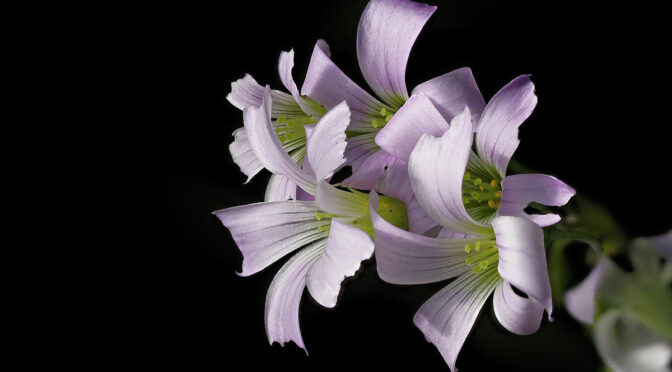
As photographers we understand that completing the vision involves doing some work with our images in post processing. Each of us has our own skill level and approach when it comes to post processing, as well as our preferred software programs. We have a very specific vision in our minds for how we want our finished photograph to appear and often capture an image as an interim step towards that vision.

Getting to Infinity
Often when it comes to landscape photography, one of our primary concerns is finding the best way of getting to infinity in terms of depth-of-field. In our quest to getting to infinity, we also need to think about the required shutter speed given any movement caused by wind, as well as our ISO value. As we all know, the higher the ISO value used, the less dynamic range we will have available for our photographs.
Making a Difference
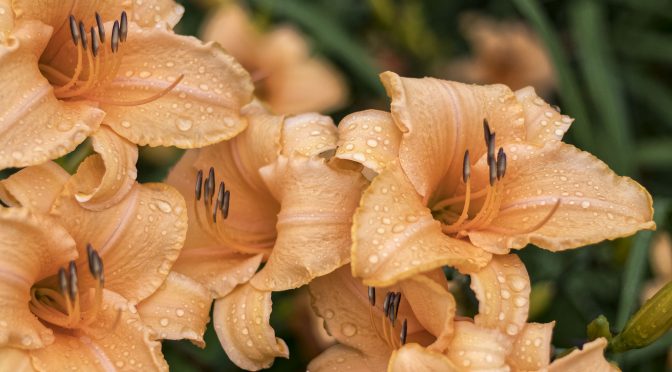
When it comes to making a difference we often think about famous people who are in the news, or individuals who hold positions of power in society. Sometimes making a difference can be negative if the differences that are created are steeped in selfishness, hate, racism, misogyny, or xenophobia. When we truly are making a difference it results in increasing understanding, empathy and love.
Hawk Taking Flight
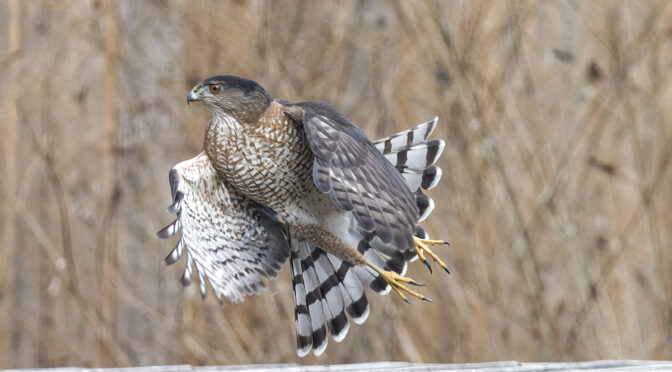
This article features 15 consecutive Pro Capture H images of a Sharp-shinned hawk taking flight in my backyard. My wife noticed the hawk landing on the pergola at the rear of our yard and called out to me. All I had time to do was grab my camera from the family room and quickly capture this image run through my kitchen window.
Amplis Discount Discontinued
There have been some changes at Amplis and as of January 1, 2023 the company is no longer offering a 5% discount to our Canadian readers. We are now in the process of removing references to the previous 5% Amplis discount from various articles on the website. Since this will take some time we wanted to make our readers aware of this Amplis change immediately. We have already removed the information page that pertained to this previous Canadian discount program.
Amplis has an affiliate program that would provide this website with a small commission based on click through sales. Since this affiliate program does not have any direct benefit for our readers we will not be participating in the Amplis affiliate program.
Getting The Shot
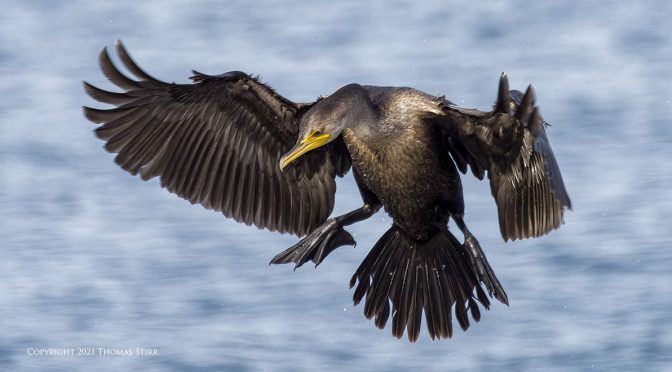
When it comes to our choice of camera equipment, the only thing that ultimately matters is ‘getting the shot’… regardless of the brand of gear used. Many internet chat rooms and YouTube channels still seem glutted with discussions/arguments about camera specifications and the relative advantages or disadvantages of various camera models. Some even tout ‘battles’ between brands/models. *sighs* Continue reading Getting The Shot
Year 8
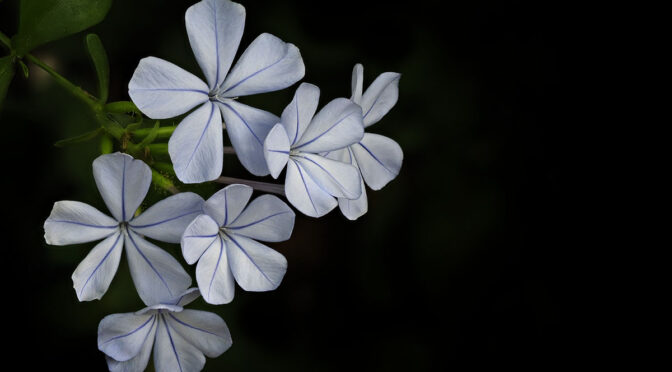
Today marks the end of Year 8 for this photography website with 1,237 articles having been published since 2015, and 127 added this year. It certainly has been an interesting ride to be here with all of you again this year.

Maximizing Dynamic Range
Maximizing dynamic range can be a key consideration when we are out with our cameras photographing a wide range of subject matter. It can be of prime importance with landscape photography. This article provides a quick overview of some of the things we can do to help maximize the available dynamic range that our cameras provide.
Sparrows with 75-300
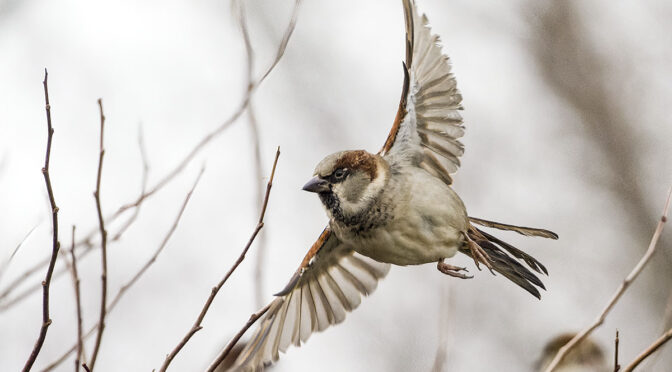
This article features a selection of handheld photographs of sparrows in-flight captured with an M.Zuiko 75-300 f/4.8-6.7 II zoom lens and an Olympus OM-D E-M1 Mark III.

Do Overs
As photographers it can be instructive to go back through some old files and attempt some do overs in post processing. A lot has changed over the past number of years with more software programs using AI (artificial intelligence) technologies. Sometimes these advancements in software can make a significant difference, especially with images captured with small sensor cameras. Do overs can be very beneficial.