
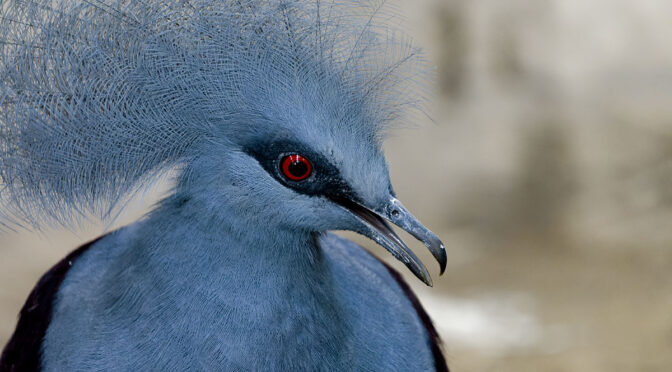
Recently I had the opportunity to capture some handheld images at Bird Kingdom with the M.Zuiko 100-400 mm f/5-6.3 IS zoom. I haven’t used this lens for a while as my M.Zuiko 150-600 mm f/5-6.3 IS has become my ‘go to’ birding lens.
NOTE: Click on images to enlarge. To view this article in a range of other languages click on the Canadian flag in the upper right corner.
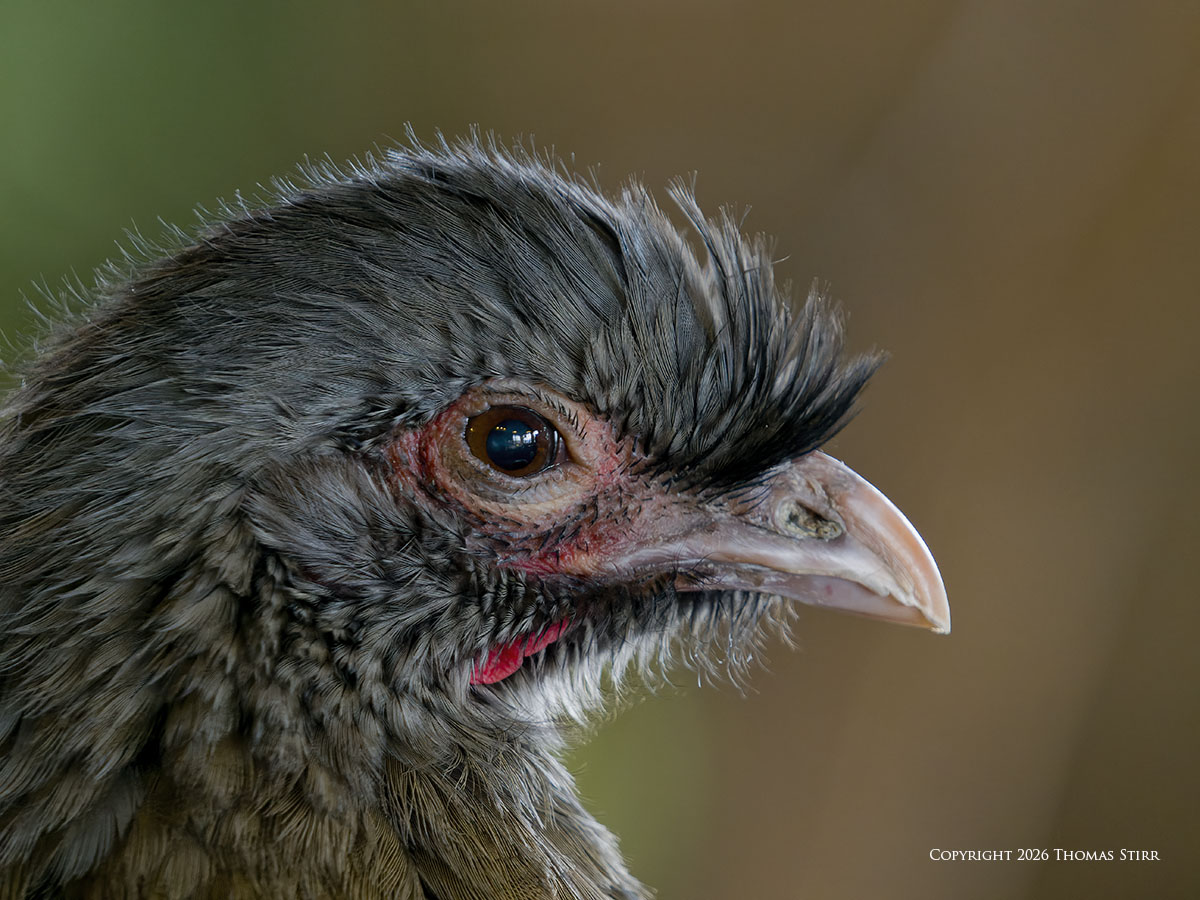
Like all things photographic there are strengths and trade-offs with every piece of gear. The M.Zuiko 100-400 provides very good reach (efov 800 mm) and is smaller and lighter than the 150-600. It is also a more affordable lens.
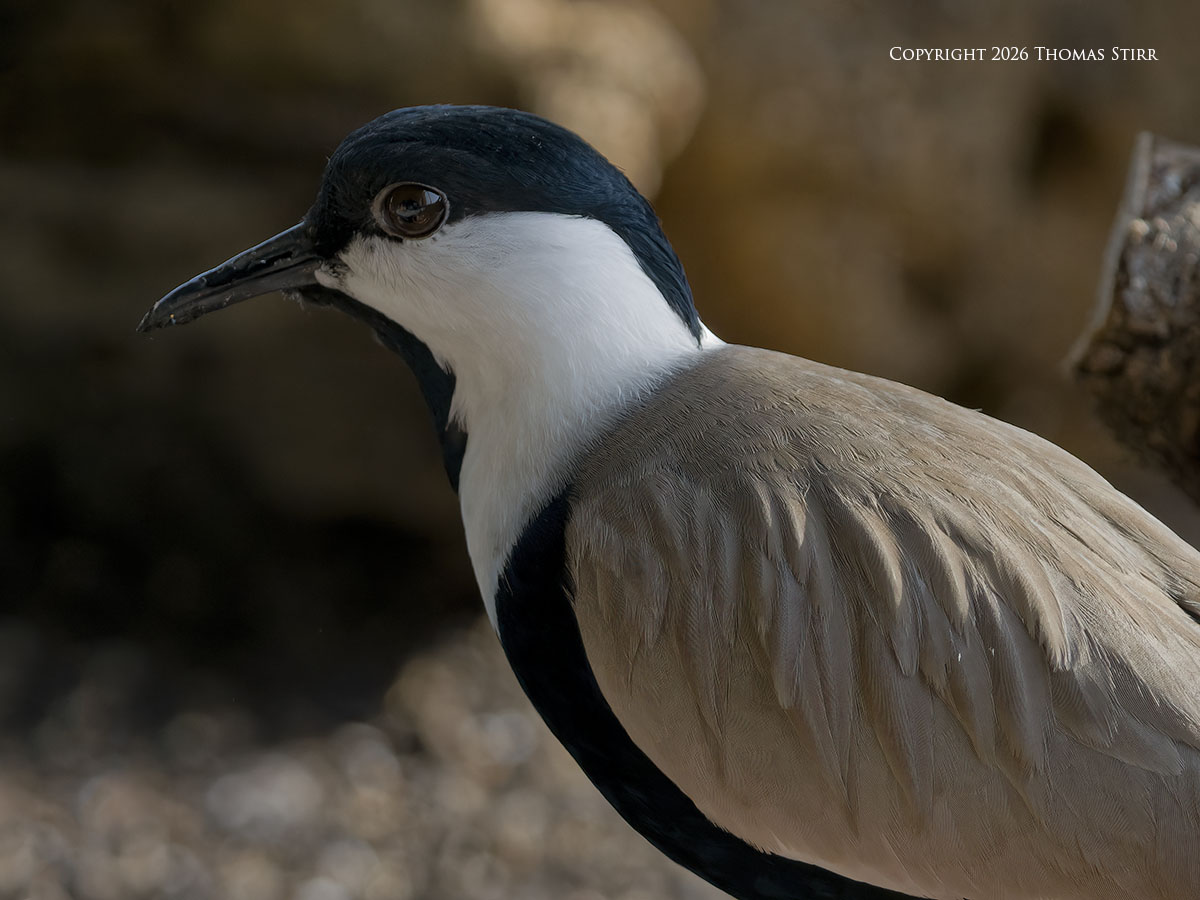
When trying to photograph the Spur-Winged Lapwing above, I had to move around constantly as the bird was very active. It often came inside the minimum focusing distance of 1.3 metres of my M.Zuiko 100-400… forcing me to move. If I had been shooting with the 150-600 the minimum focusing distance when the lens is fully retracted is 0.56 metres.
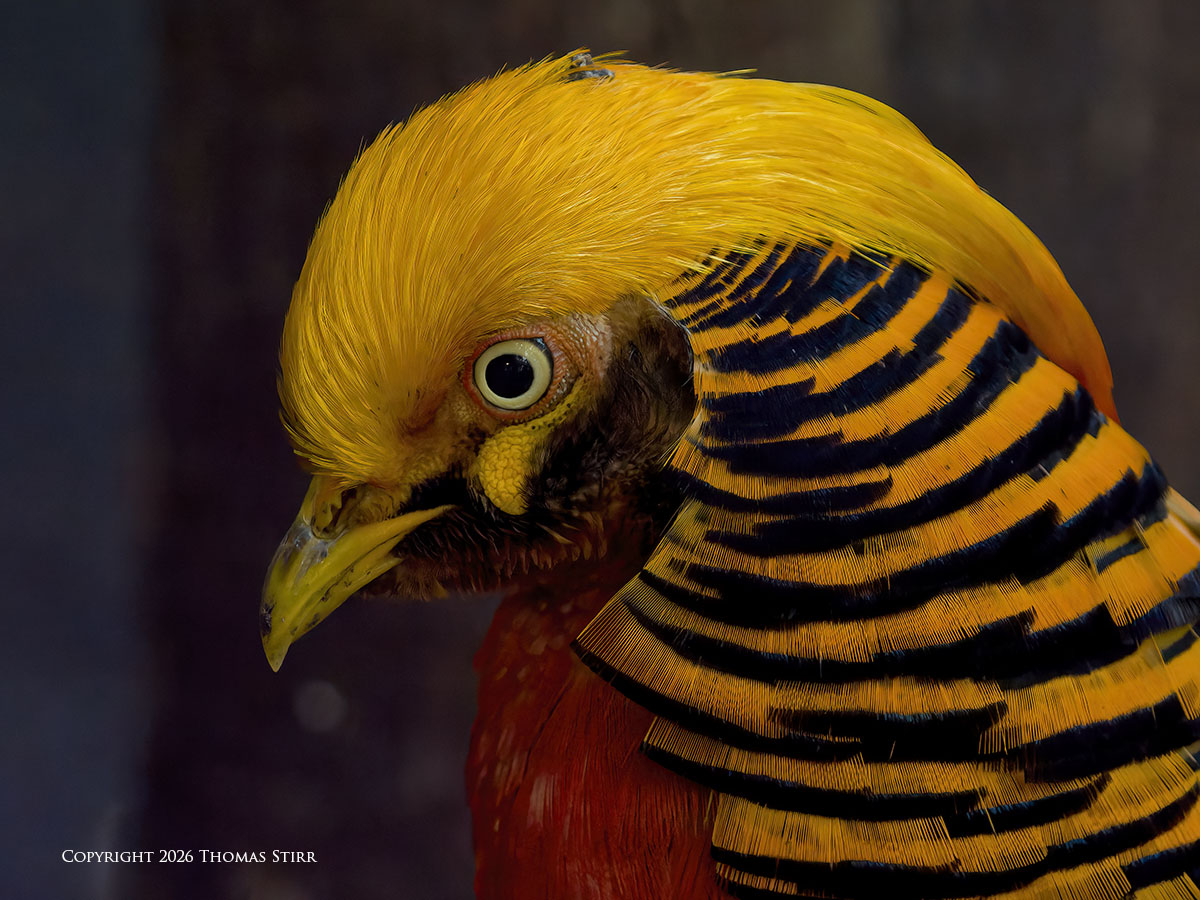
When photographing perched birds I typically use a single auto-focus point which I position using the joystick control on my E-M1X. I hadn’t used Bird Detection AI with perched birds for a while… so I tried to capture some images using that technology. It worked well in good light, but did hunt quite a bit in some of the darker areas of the facility.
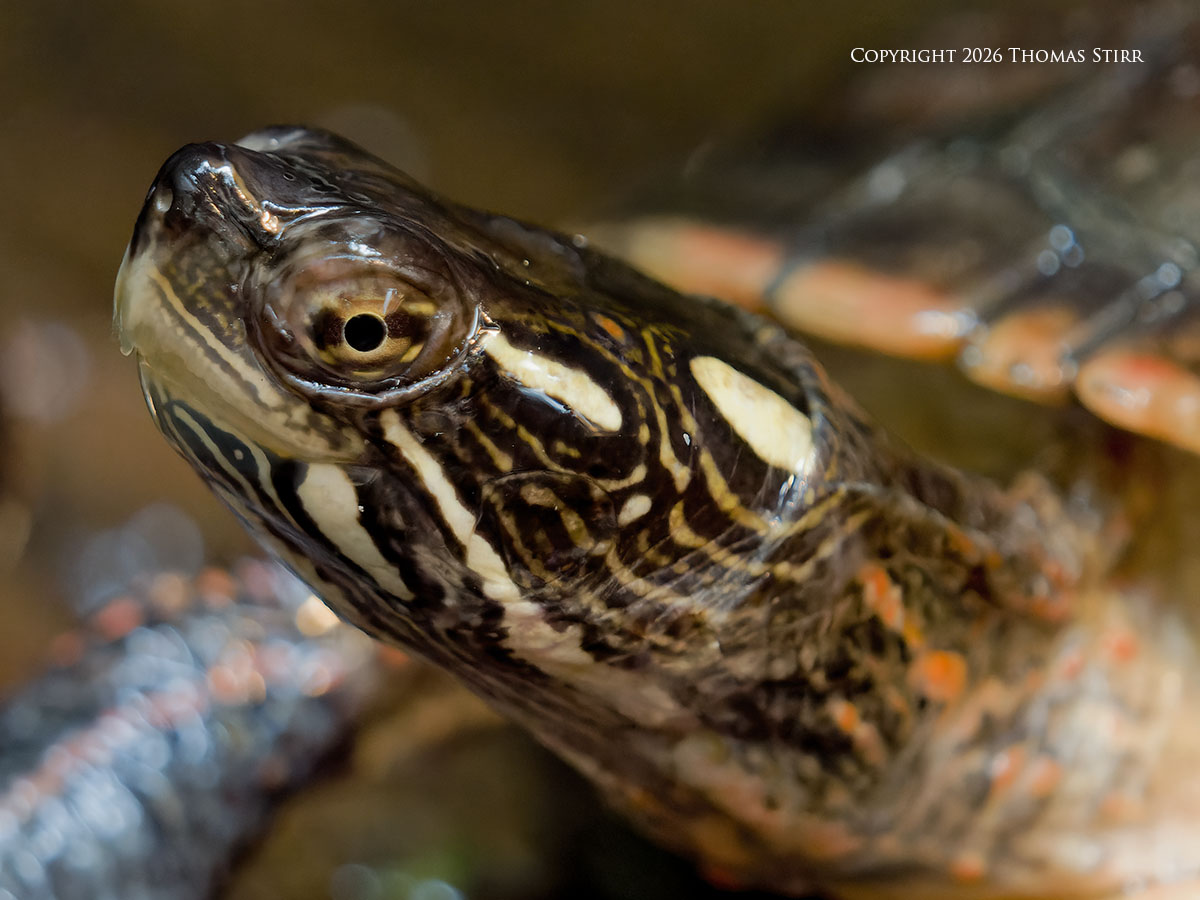
I’ll have to test this technology again the next time I visit Bird Kingdom when using my M.Zuiko 150-600 to see if there is a difference between the two lenses. My copy of the 100-400 is the original version of that lens.
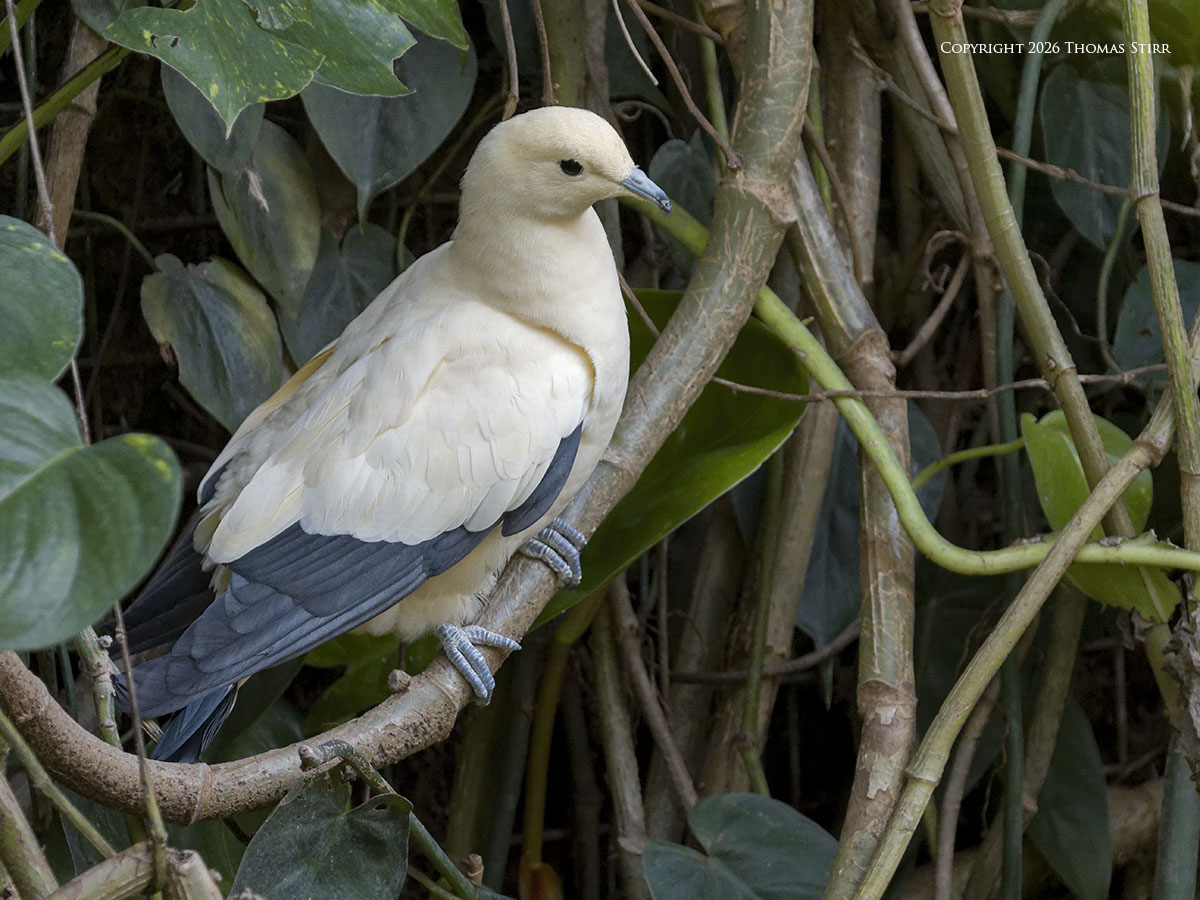
The smaller size and weight of the 100-400 is noticeable and I didn’t bother bringing one of my Cotton Carrier harnesses with me.
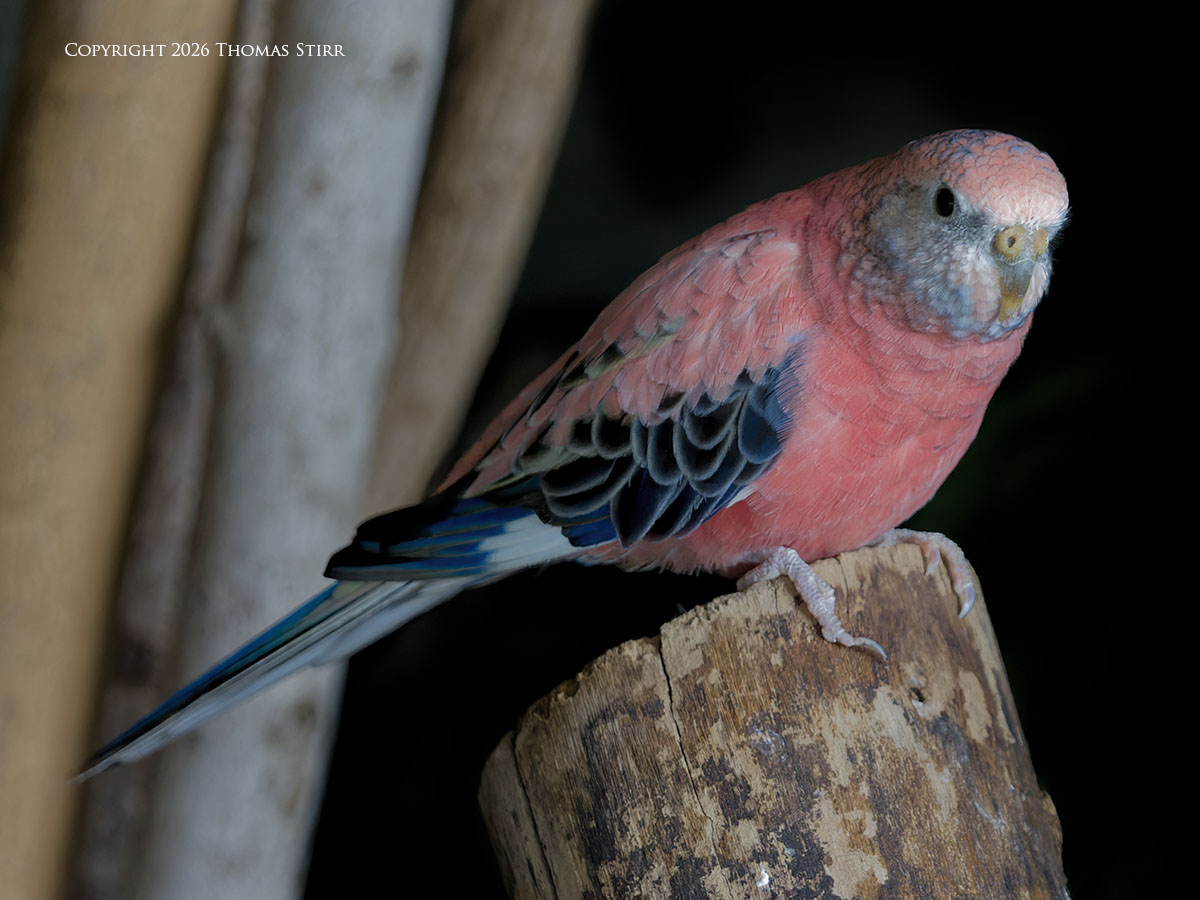
The M.Zuiko 100-400 is an enjoyable lens to use and it only took a few minutes for me to reorient myself to using it.
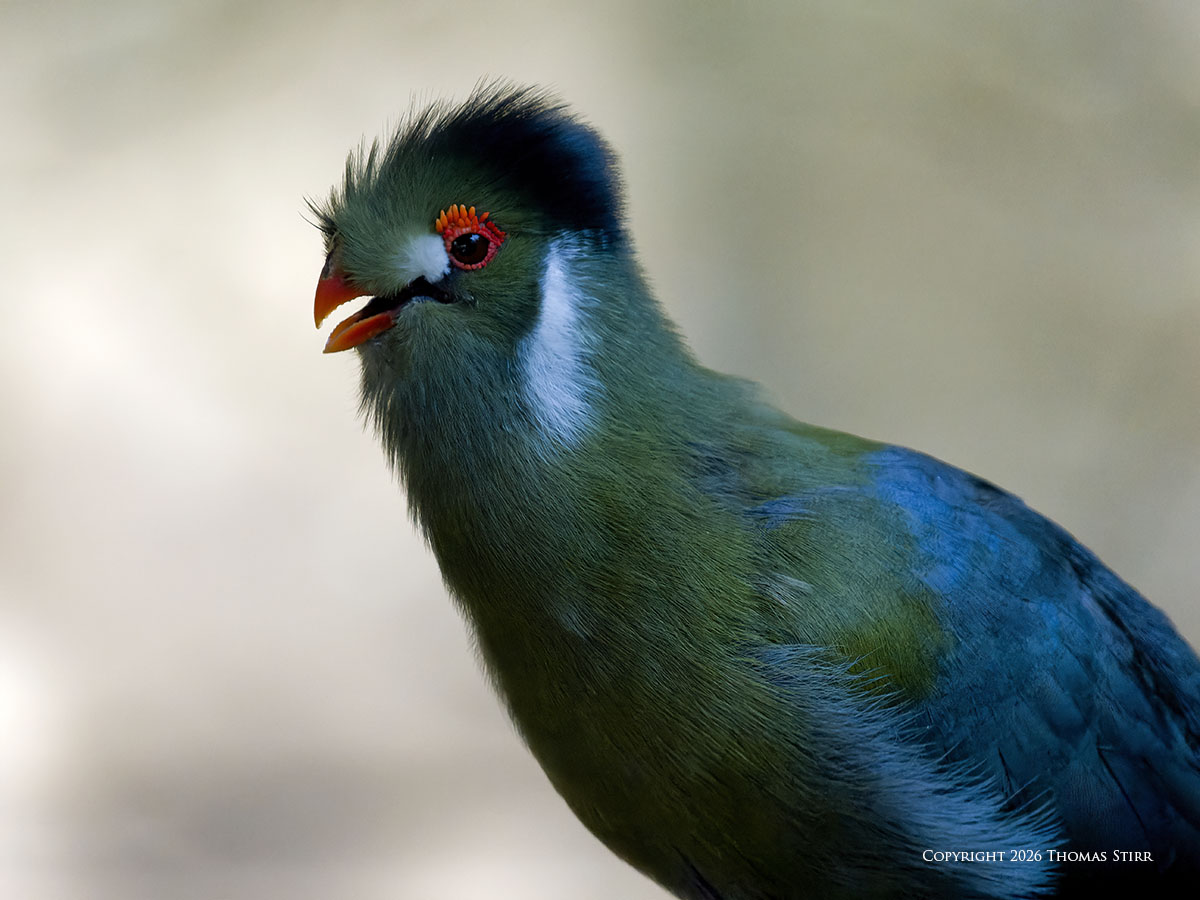
I spent a bit more time than usual simply observing the birds. I was rewarded with a couple of open beak images.
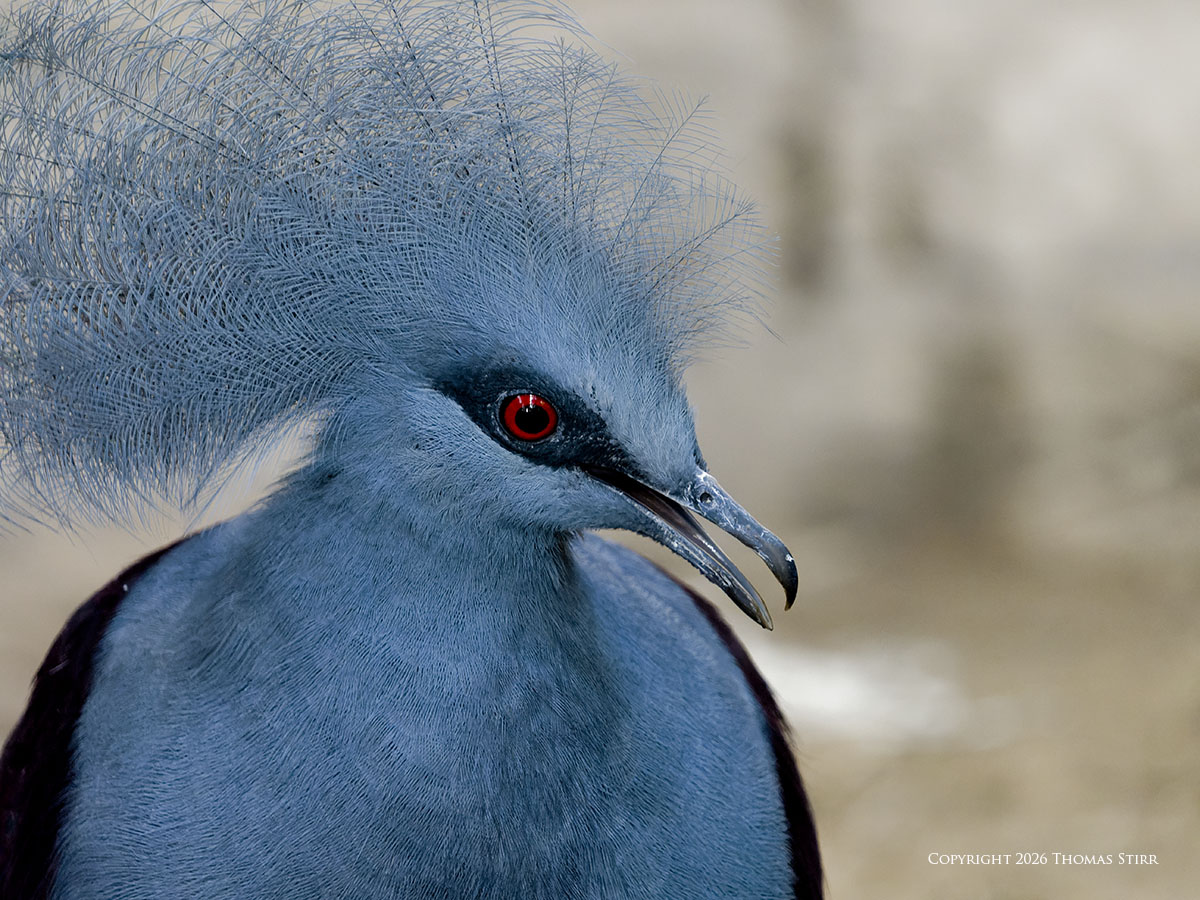
To me this little detail adds some interest to a photograph.
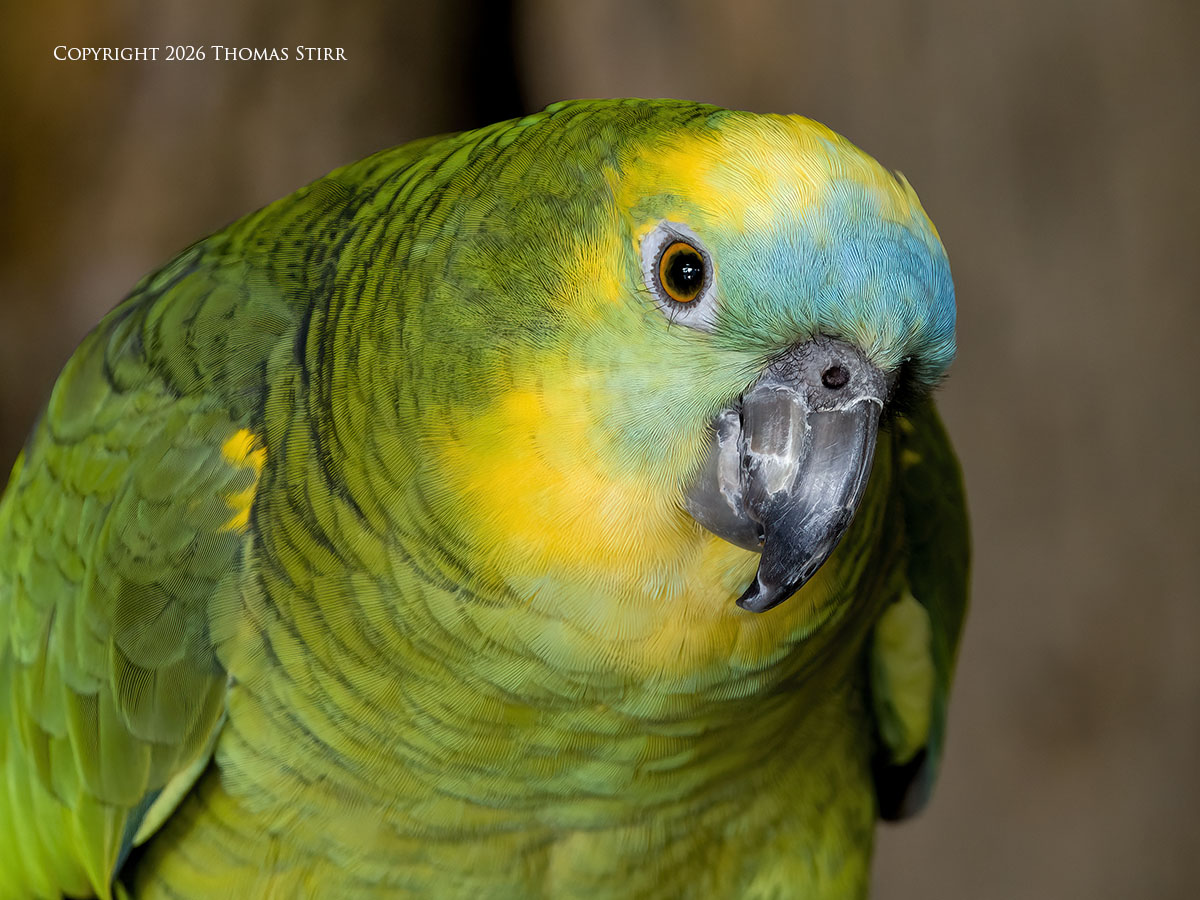
Spending a little more time observing birds usually results in capturing somewhat more interesting head and body positions.
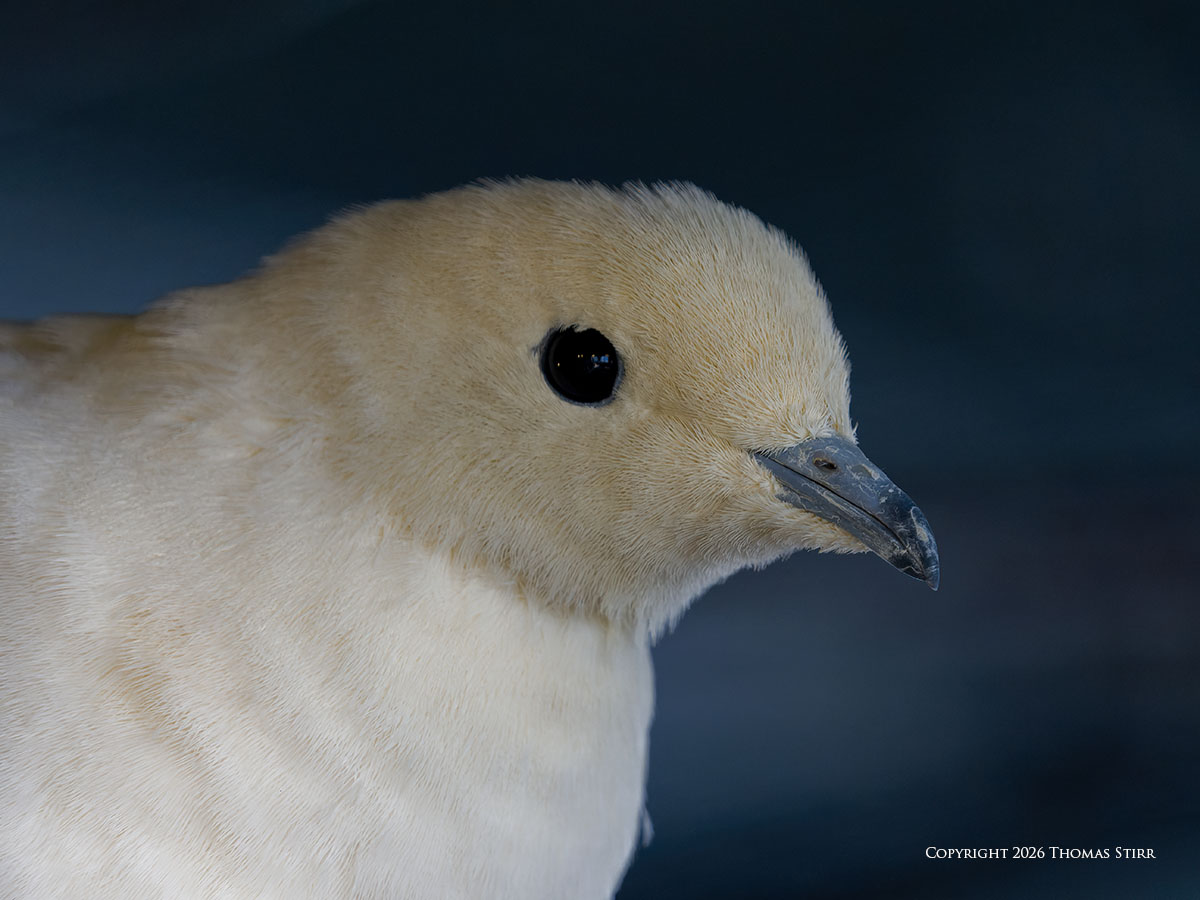
The extra observation time also tends to improve my shot discipline in terms of choosing more pleasing backgrounds for my compositions.
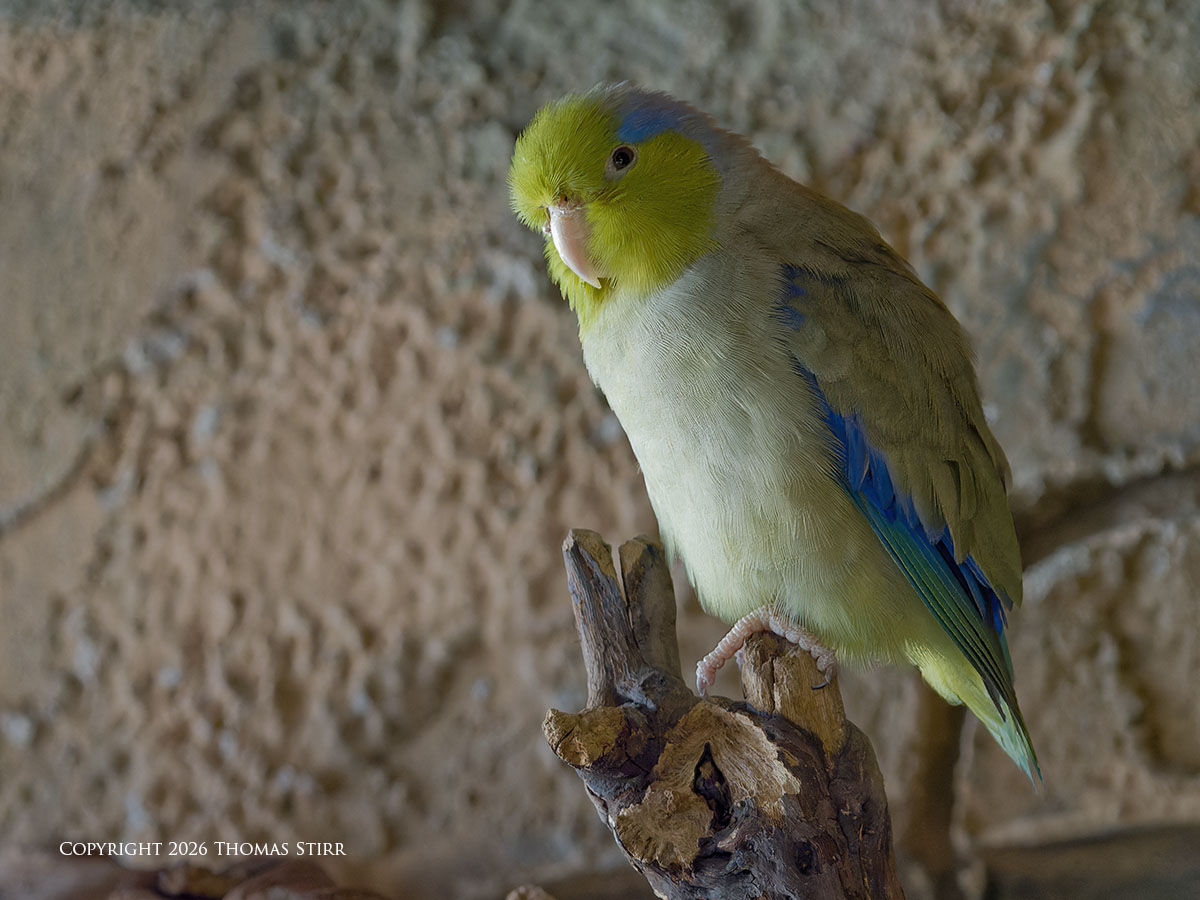
Taking more time to observe birds tends to slow down my own body movements. This can encourage birds to stay at their perches… and observe me back.
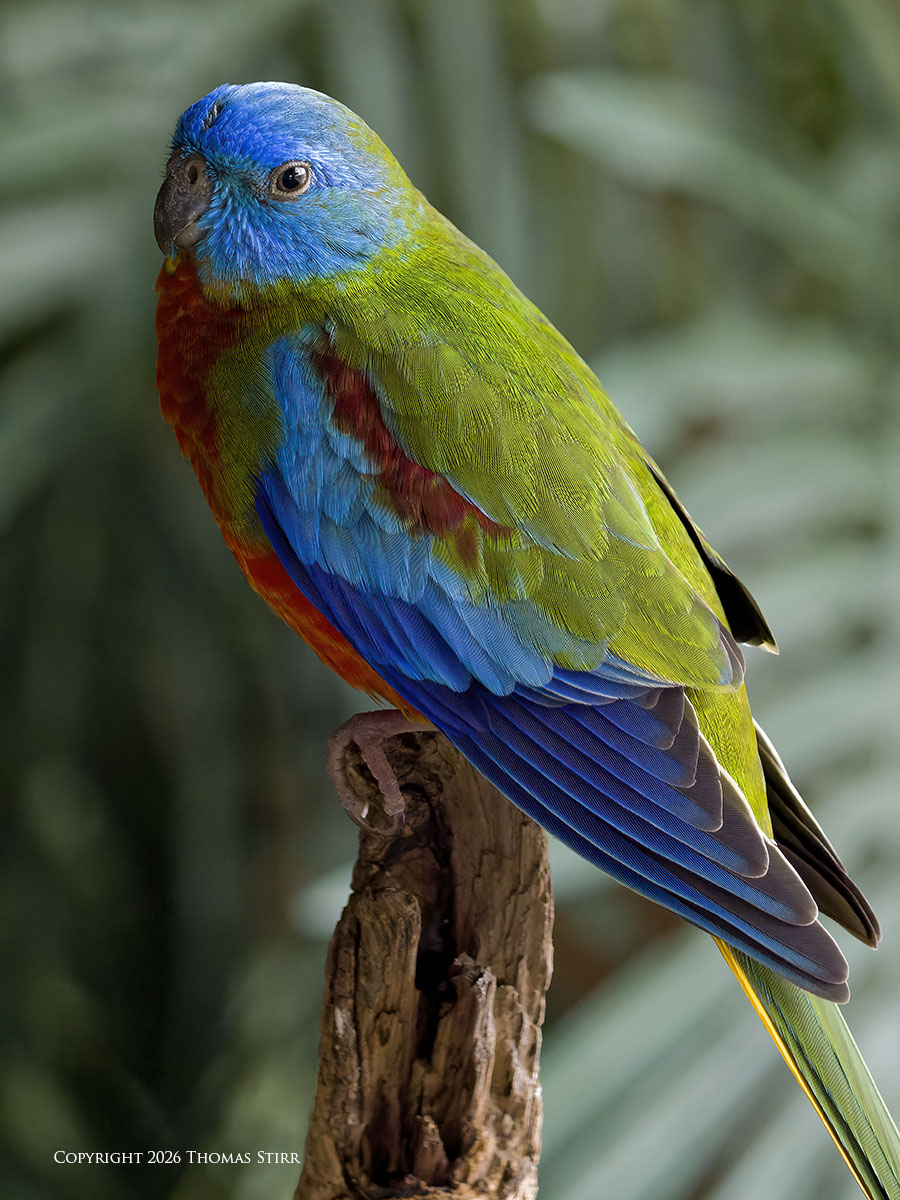
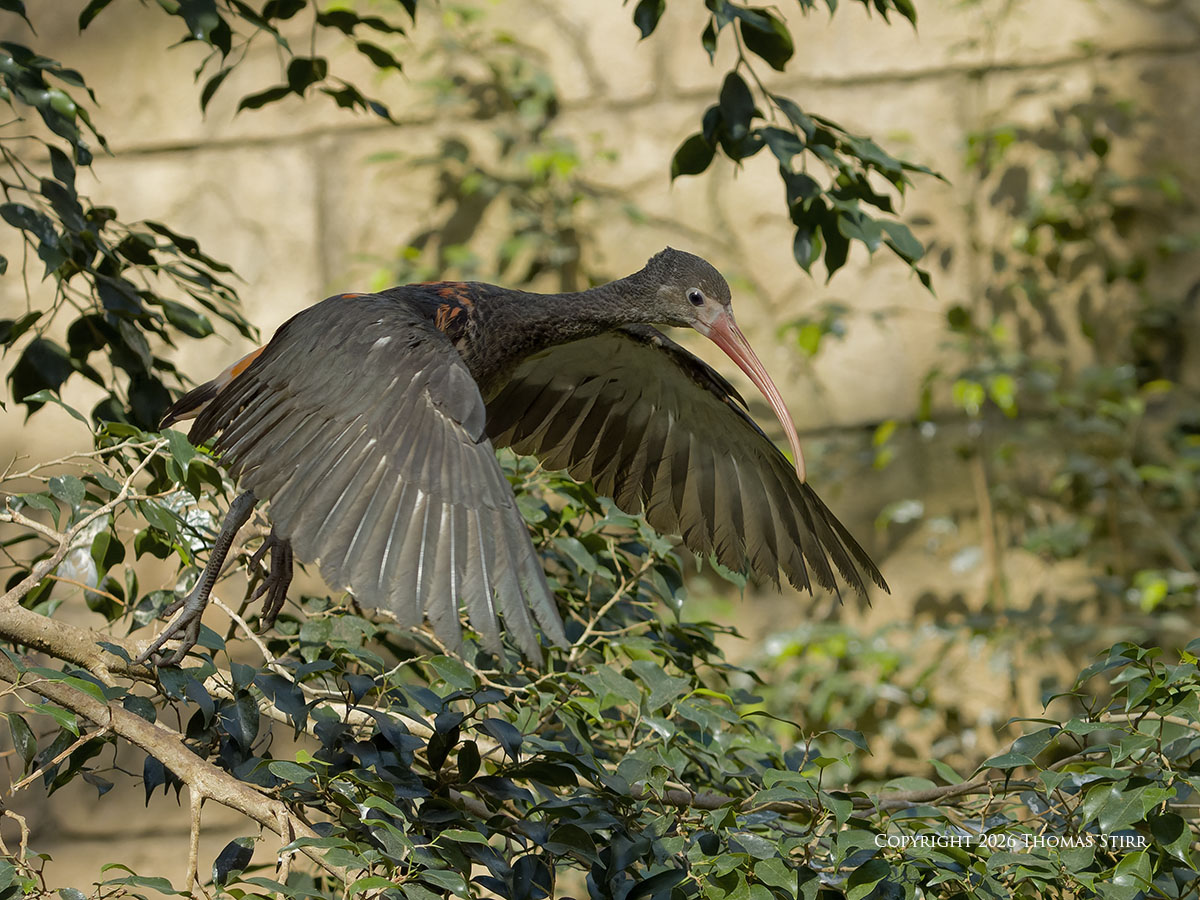
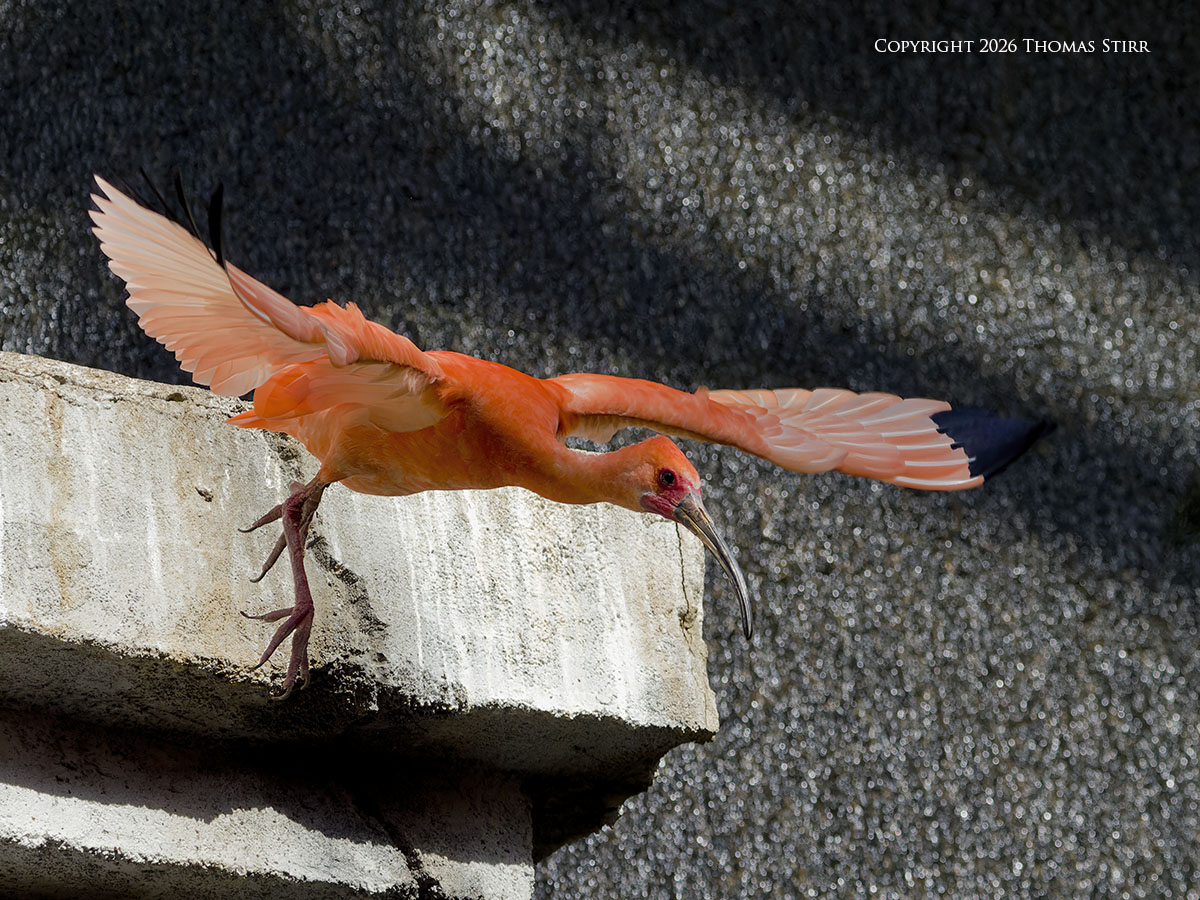
I spent the first part of my visit concentrating on photographing perched birds. Towards the end of my visit I switched over to photographing birds-in-flight as illustrated with the balance of the images featured in this article.
As is my standard practice when photographing birds launching into flight, I used Pro Capture H at 60 frames-per-second, with both Pre-Shutter Frames and Frame Limiter set to 15. As always, I used a single, small AF point.
As you review the EXIF data you’ll notice that in many cases I used high ISO values for many of these bird-in-flight photographs. Some as high as ISO-16000.
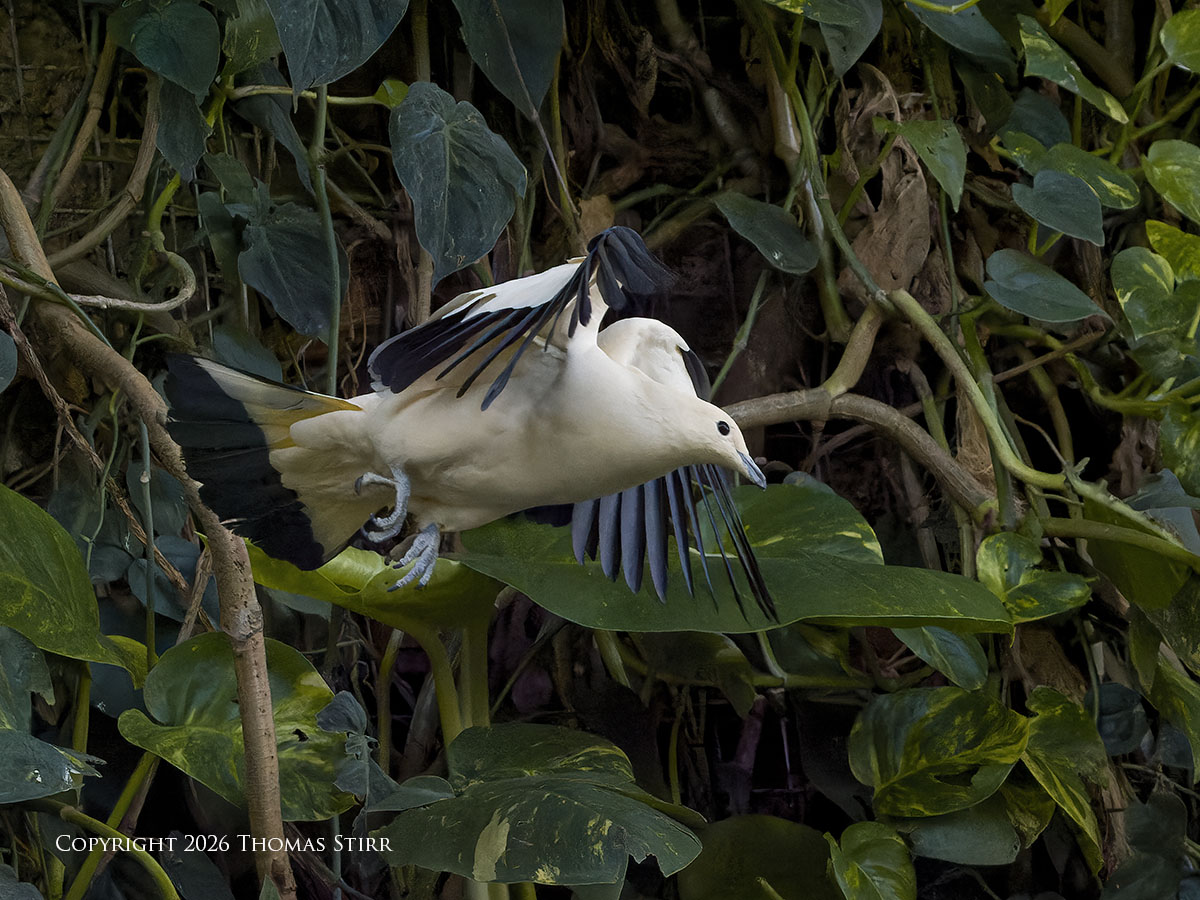
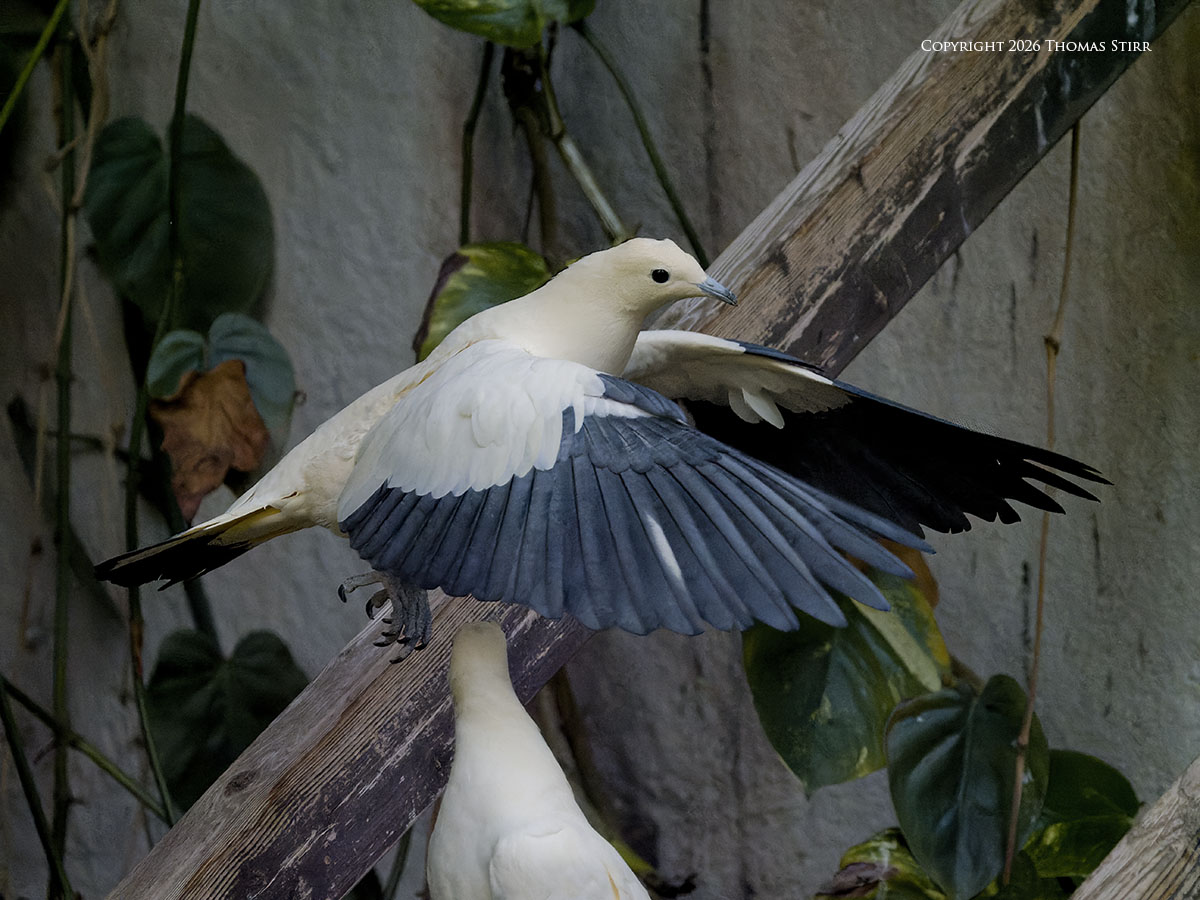
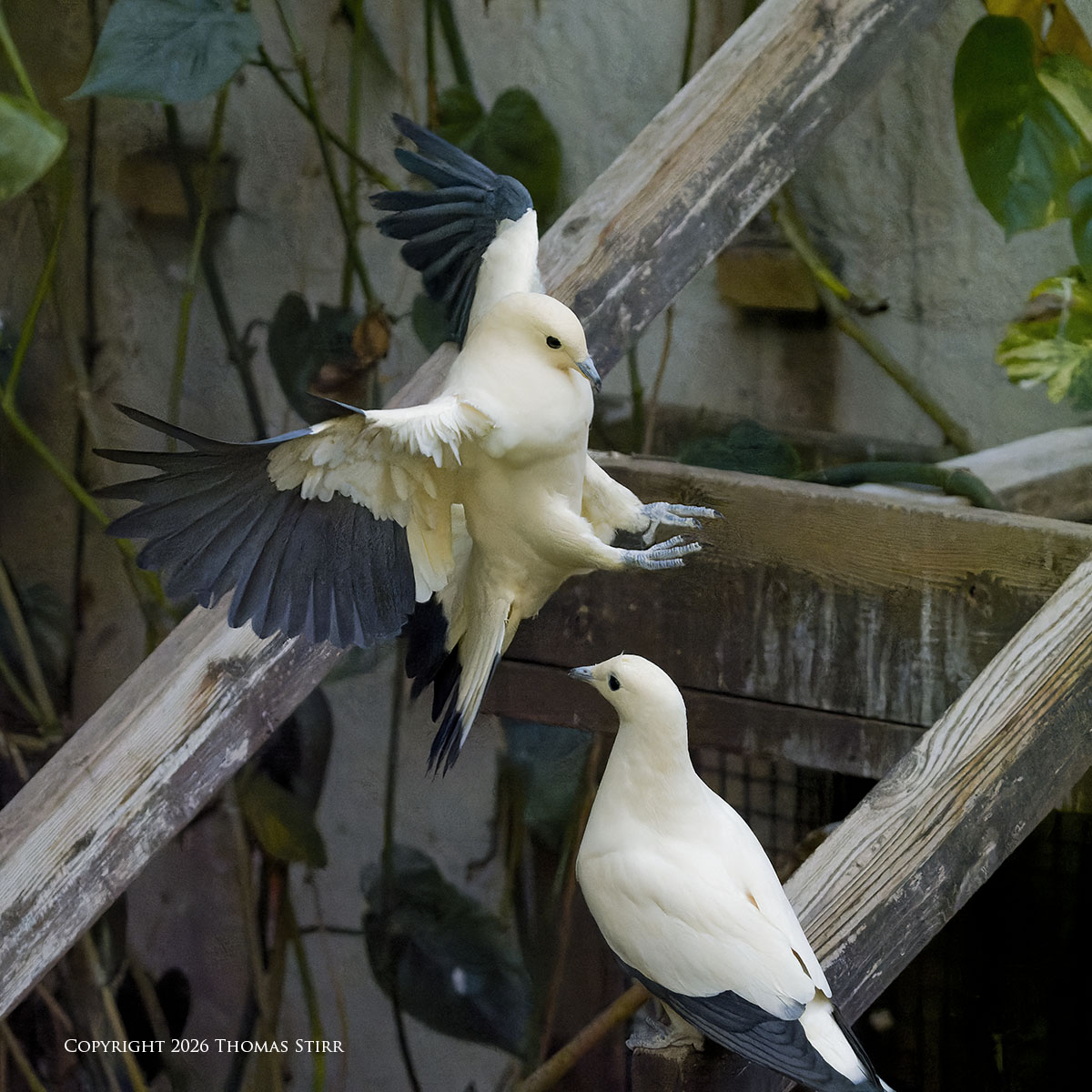
I was able to capture a nice run of four consecutive images of a Pied Imperial Pigeon taking flight.
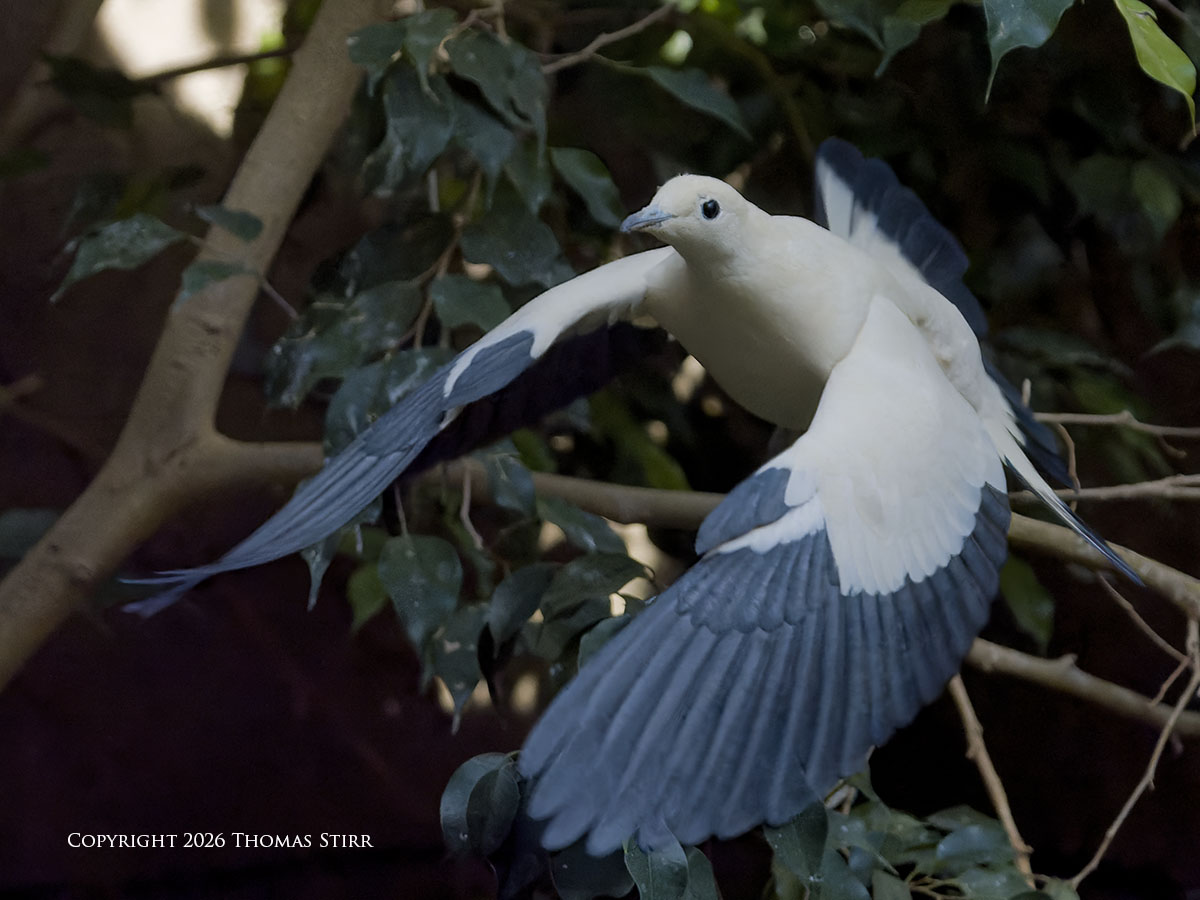
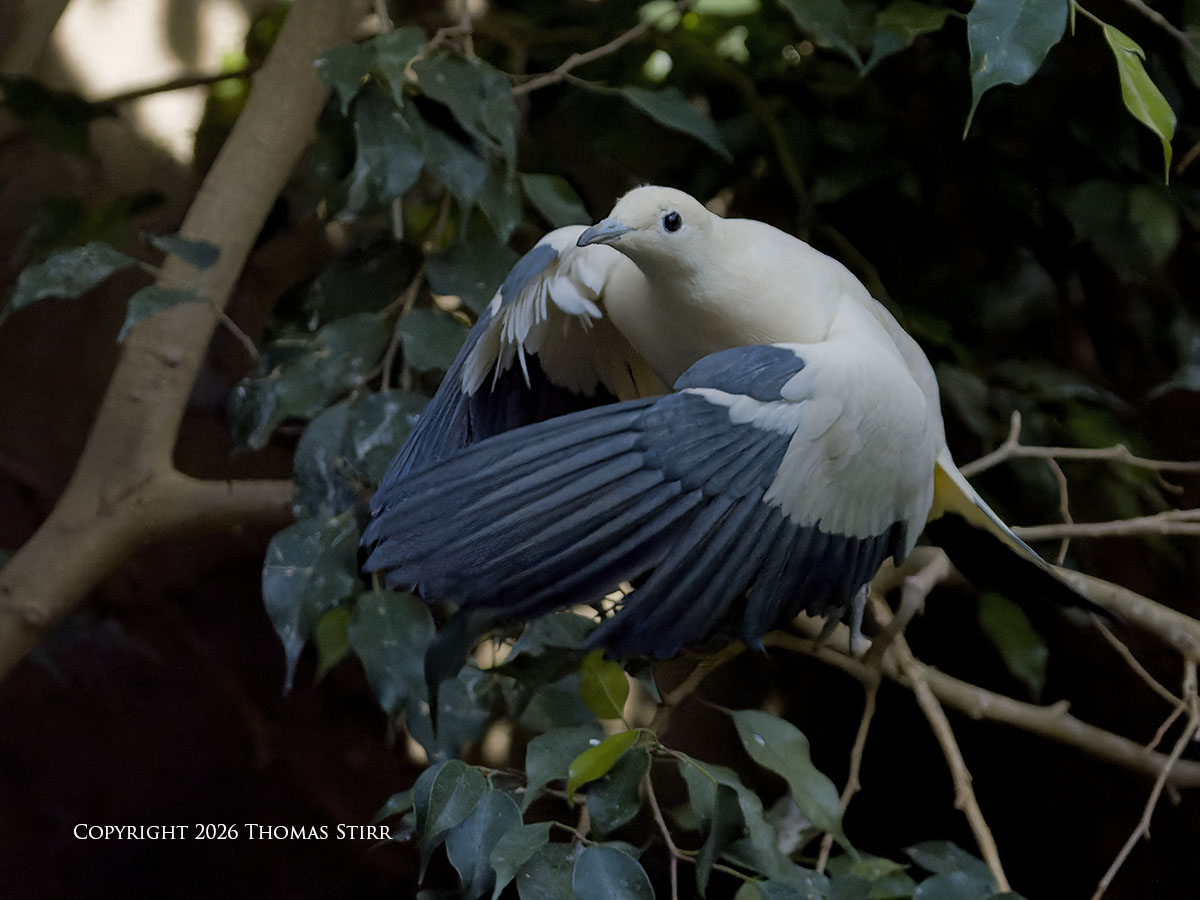
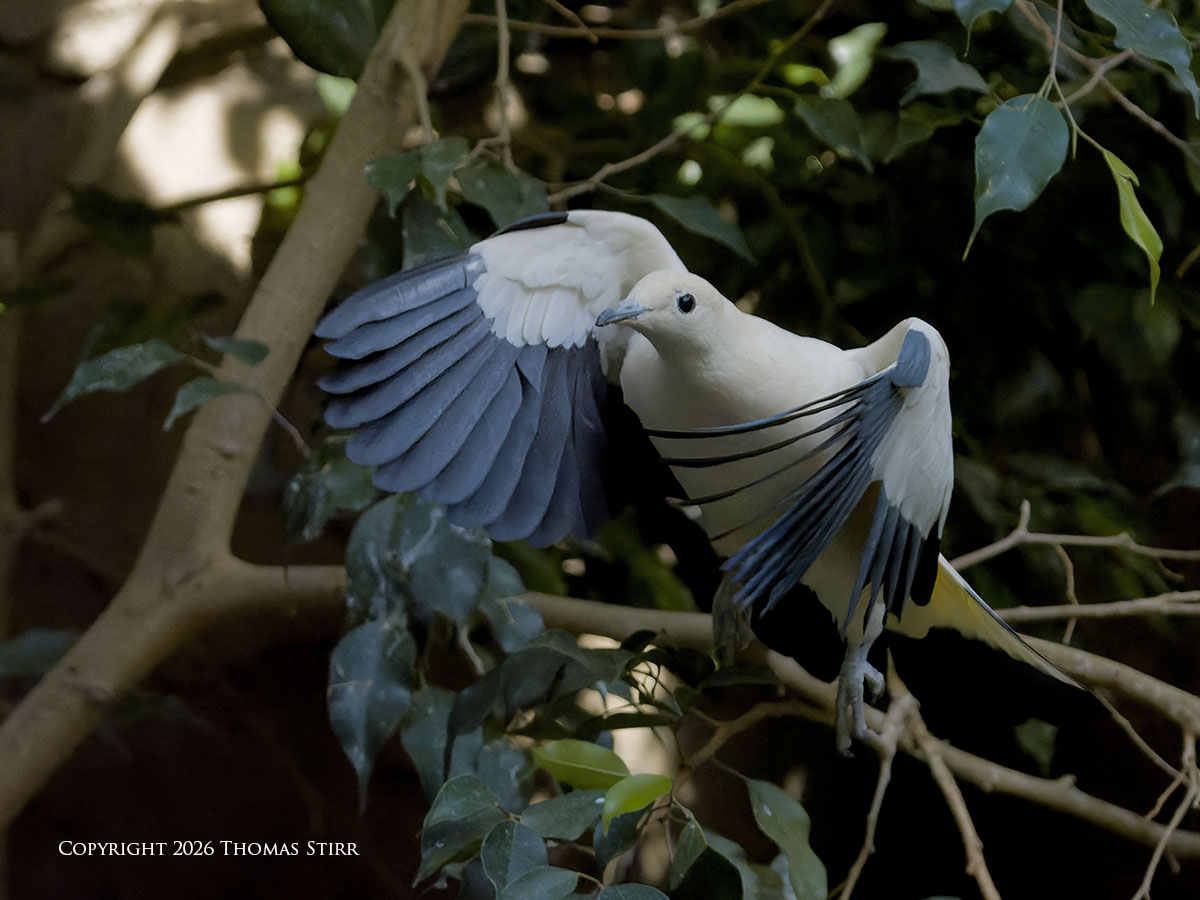
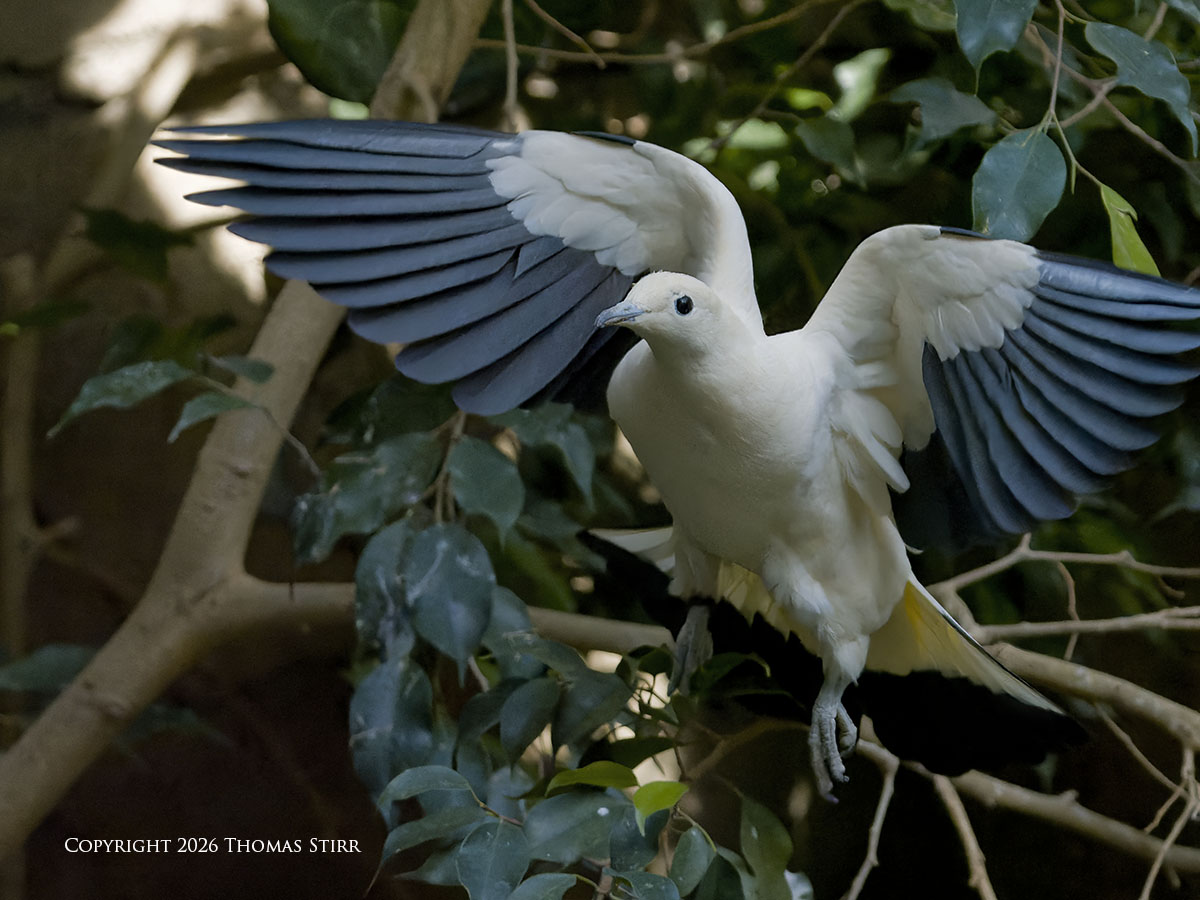
Using a fast frame rate like 60 frames-per-second is ideal for this type of photographic opportunity as it produces a series of images with relatively small incremental wing movements from frame to frame. These images are captured quickly enough that often the bird hasn’t flown out-of-focus during a short burst of 15 frames at 60 frames-per-second… i.e. 1/4 second of movement time.
Being patient and observing bird behaviour enabled me to capture an image of an Eastern Rosella taking flight.
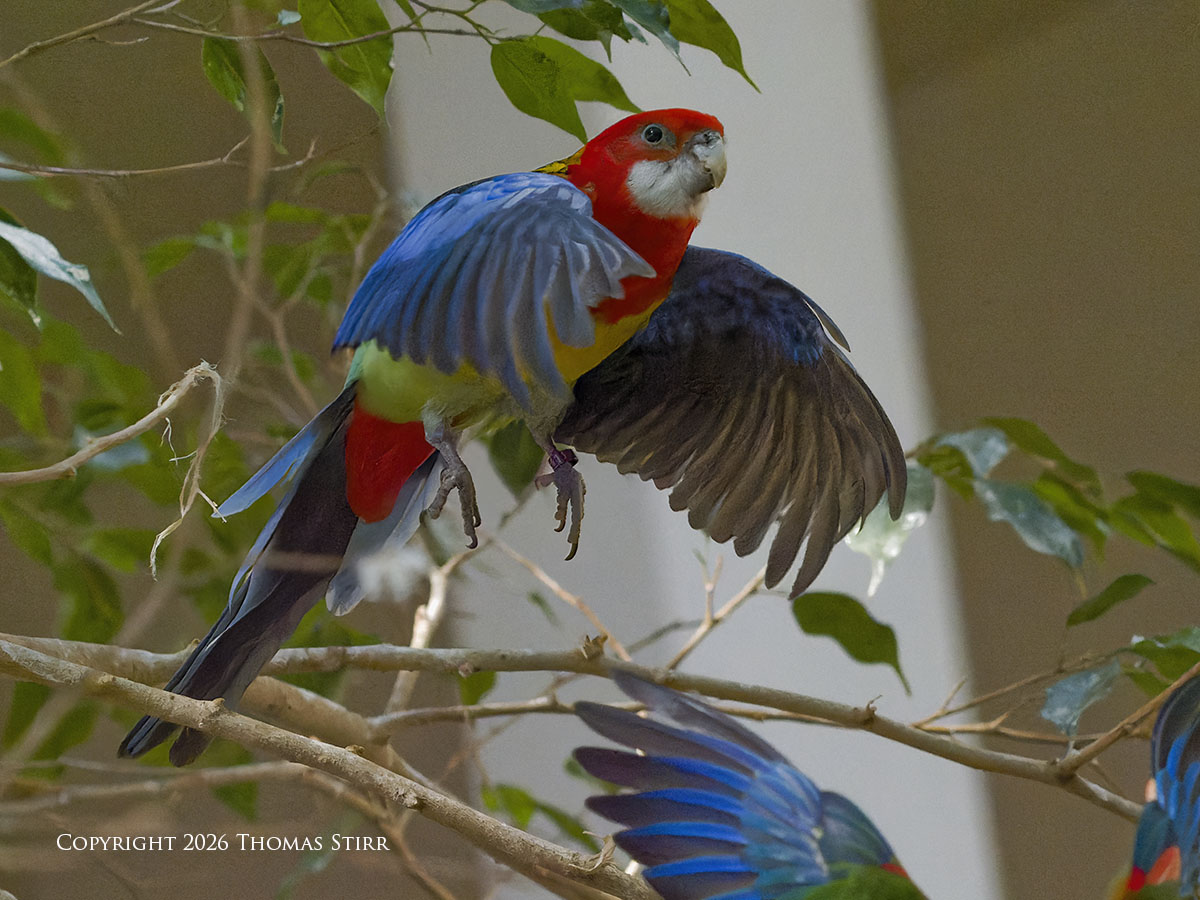
Even though the photograph was captured at ISO-16000 it was one of my favourites of the day.
It was very beneficial for me to get reoriented to my M.Zuiko 100-400 mm f/5-6.3 IS zoom lens. While I don’t use it nearly as often as I have in the past… it still has a place in my kit. There are occasions when using a somewhat smaller and lighter zoom lens is preferred.
Technical Note
Photographs were captured handheld using camera gear as noted in the EXIF data. All images were created from RAW files using my standard process in post. This is the 1521 article published on this website since its original inception in 2015.
How you can keep this website advertising free
My intent is to keep this photography blog advertising free. If you enjoyed this article and/or my website and would like to support my work, you can purchase an eBook, or make a donation through PayPal (see Donate box below). Both are most appreciated.
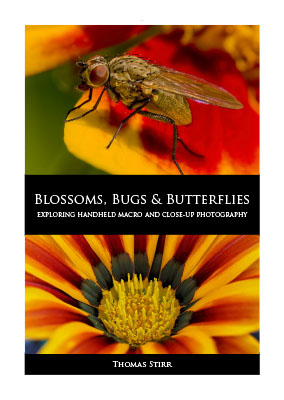
You may be interested in macro and close-up photography with some emphasis on blossoms, bugs and butterflies. If that’s the case our 210 page eBook Blossoms, Bugs & Butterflies may be of interest. It is available for download for an investment of $14.99 CDN. The best view experience will be at 100% using Adobe Acrobat Reader.
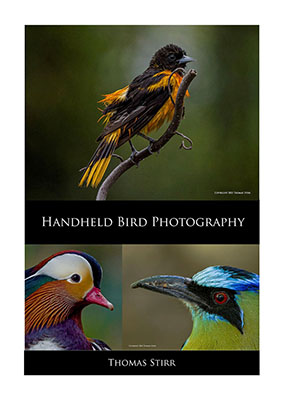
You may enjoy bird photography, and if so our 188 page eBook Handheld Bird Photography may be of interest. It is available for download for an investment of $14.99 CDN. The best viewing experience of this eBook will be at 100% using Adobe Acrobat Reader.
Sometimes all we need as photographers is a bit of inspiration. We hope you can find some of that inside Finding Visual Expression II.

Finding Visual Expression II is available for download for an investment of $11.99 CDN. The best viewing experience of this eBook will be at 100% using Adobe Acrobat Reader.
You may be interested in all of the 30 concepts covered in both of these related eBooks. If so, you may want to also consider Finding Visual Expression.

Finding Visual Expression is available for download for an investment of $11.99 Cdn. The best viewing experience of this eBook will be at 100% using Adobe Acrobat Reader.
Our other eBooks include Images of Ireland, New Zealand Tip-to-Tip, Nikon 1: The Little Camera That Could, Desert & Mountain Memories, Images of Greece, Nova Scotia Photography Tour, and a business leadership parable… Balancing Eggs.
If you click on the Donate button below you will find that there are three donation options: $7.50, $10.00 and $20.00. All are in Canadian funds. Plus, you can choose a different amount if you want. You can also increase your donation amount to help offset our costs associated with accepting your donation through PayPal. An ongoing, monthly contribution to support our work can also be done through the PayPal Donate button below.
You can make your donation through your PayPal account, or by using a number of credit card options.
Word of mouth is the best form of endorsement. If you like our website please let your friends and associates know about our work. Linking to this site or to specific articles is allowed with proper acknowledgement. Reproducing articles, or any of the images contained in them, on another website or in any social media posting is a Copyright infringement.
Article and images are Copyright 2026 Thomas Stirr. All rights reserved. No use, duplication or adaptation of any kind is allowed without written consent. If you see this article reproduced anywhere else it is an unauthorized and illegal use. Posting comments on offending websites and calling out individuals who steal intellectual property is always appreciated!
Lovely colours again Thomas it looks a very interesting place to visit. My family all went to our local zoo at Whipsnade and I took some amazingly sharp images of bird displays and other animals.
I will send you my favourite ones in a gallery for you to look at.
Thanks for another good piece
Hi Mark,
I’m glad you enjoyed the images… and thanks for sharing some of your images!
Tom