

I recently spent some time revisiting some of my Nikon 1 V2 butterfly images, and reprocessing them in post. Since I made some changes to my approach to post processing by adding Topaz Denoise AI, I thought it would be interesting to re-do some old RAW files from 2015. All of the photographs in this article were captured handheld with a Nikon 1 V2, fitted with a 1 Nikon 30-110 mm f/3.8-5.6 zoom, and using MOVO extension tubes.
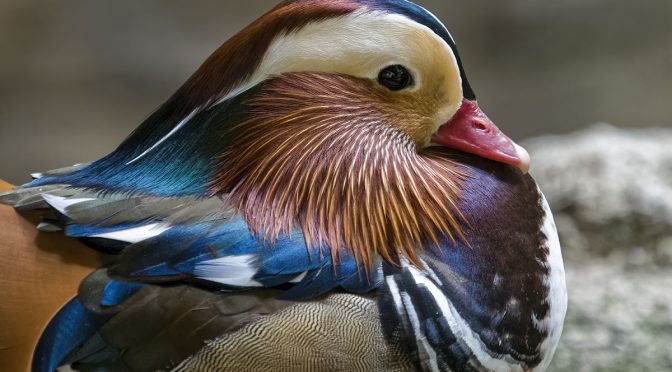
Slower Shutter Speeds
This article features a selection of photographs captured handheld at Bird Kingdom using slower shutter speeds, and discusses some of the factors to consider when taking this approach.

Hornbill Taking Flight
This short article shares a collection of 15 consecutive photographs of a Silver-cheeked Hornbill taking flight. These images were captured handheld at Bird Kingdom with an Olympus OM-D E-M1X using Pro Capture H mode.
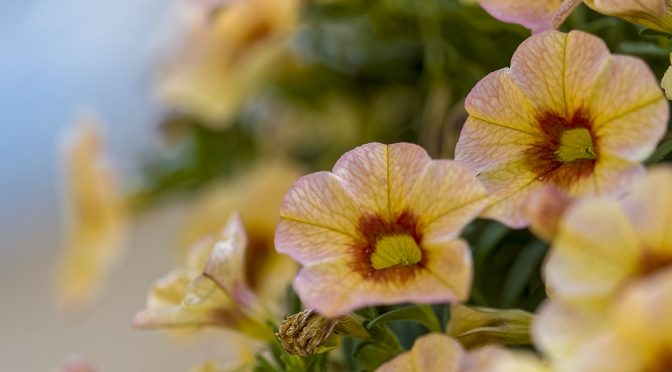
Regrets Leaving Full Frame?
Since July 2015 when I sold all of my full frame camera gear, I’ve had people regularly ask me if I’ve had any regrets leaving full frame cameras behind. The quick answer is an unequivocal “no”. This lengthy article provides a detailed explanation.
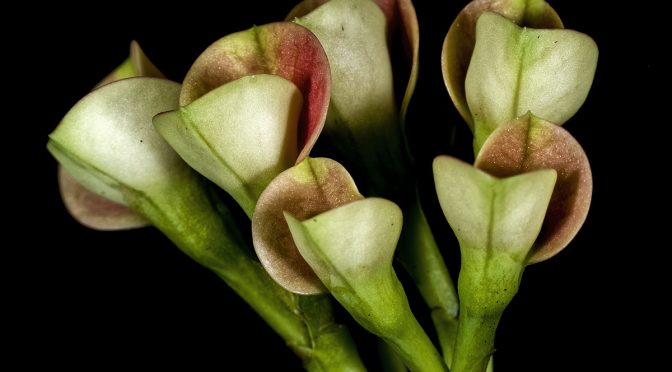
High Contrast Plant Macro Images
This article features a selection of high contrast plant macro images. All were photographed handheld using the Olympus STF-8 Twin Macro Flash.

All in One Travel Zoom
We recently purchased some additional lenses for our Olympus kit to specifically address our needs for all-in-one travel zoom capability. This article provides an overview of our rationale for the lenses we selected.
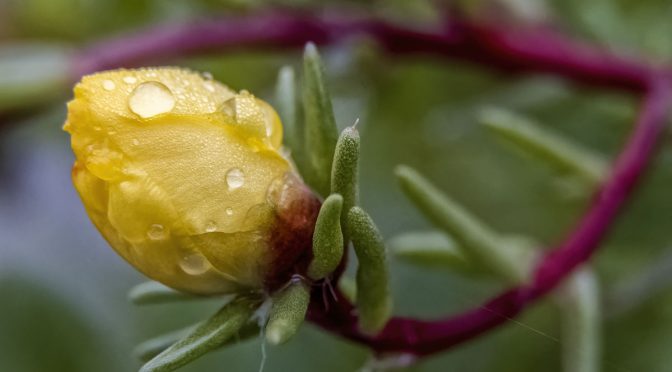
14-150 II with Extension Tubes
This article features a selection of handheld photographs captured with the M.Zuiko 14-150 II with extension tubes. Many photographers enjoy doing macro-type photography but can’t justify buying a dedicated macro lens. This posting demonstrates some of the flower images that are possible when using the M.Zuiko 14-150 II with extension tubes.
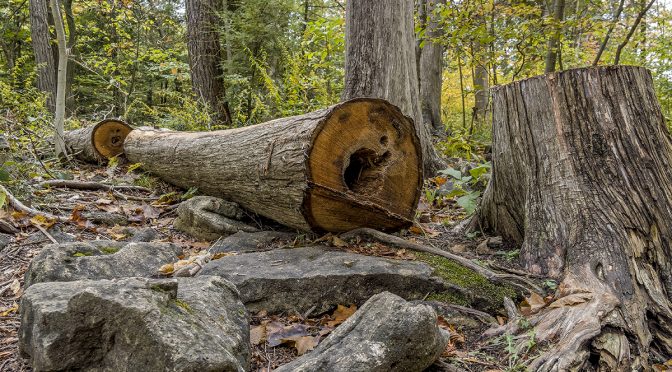
Crawford Lake Compositions
This article shares a selection of landscape photographs and discusses factors that were considered when creating these Crawford Lake compositions.

Longhouse at Crawford Lake
A couple of days ago my wife and I made a quick visit to the longhouse at Crawford Lake Conservation Area, as well as taking a short forest hike. This article shares some handheld, longer exposure images of the interior of the longhouse.
Olympus JIP Agreement
As some of you may already be aware, the Olympus JIP agreement for the transfer of the Olympus Imaging division has been reached. No doubt there will be all kinds of speculation and the Olympus haters will be out in full force. I will do my best to provide readers with factual information as it becomes available.