

This article discusses the Pro Capture settings that are available on the Olympus OM-D E-M1X and some of the factors that a photographer would consider when choosing which settings to use. I’d like to thank one of our readers, Joel Bateman, for asking a question related to one of my earlier articles. This provided the creative spark for this posting.

Mallard In-Flight Test
This article features a selection of images from a mallard in-flight test I did late last year at Grimsby harbour. All photographs were captured handheld using an Olympus OM-D E-M1X, M.Zuiko PRO 40-150mm f/2.8, and M.Zuiko MC-20 teleconverter. Continue reading Mallard In-Flight Test

Dove Making Pond Landing
This short article features a series of 15 Pro Capture H images of a dove making a pond landing. All images were captured handheld looking through my kitchen window using an Olympus OM-D E-M1X, M.Zuiko PRO 40-150mm f/2.8 zoom lens, and M.Zuiko MC-20 teleconverter.

Product Discontinuation
We may be entering an age of accelerated product discontinuation as camera sales continue to be hammered by economic and societal factors. Where does this all lead?
Software Choices
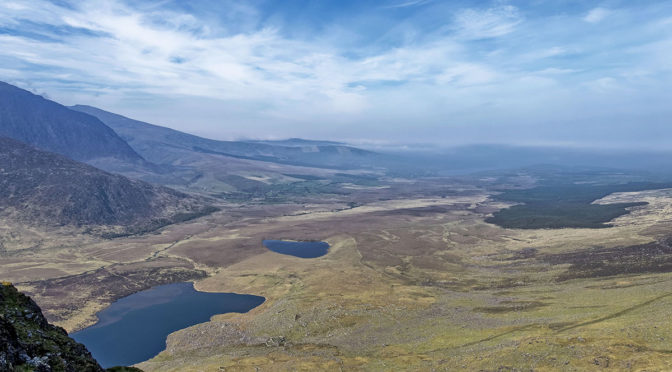
As photographers we have many software choices available to us. Over the years I’ve had suggestions from readers about the advantages of moving to new, or different, programs. This article discusses the potential advantage of staying with software programs that we already own and have some experience using.

J5 Flower Macro Images
This article features a selection of Nikon 1 J5 flower macro images. These photographs were the last images that I captured during our spring 2019 trip to Ireland. All were shot handheld at Belvedere House.

Dunluce Castle
Dunluce Castle is an iconic ruin that is situated on the coastal cliffs of County Antrim in Northern Ireland.
Shooting Both Eyes Open
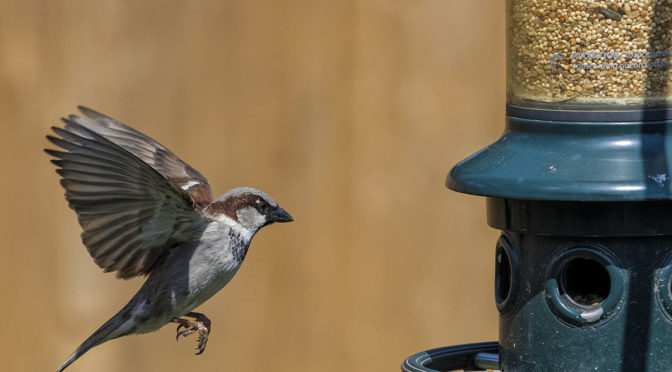
Shooting with both eyes open is a photographic technique that can be beneficial in specific situations. This article shares a sample Pro Capture H image run shot with both eyes open.

Anticipating Flight Direction
When photographing birds, anticipating flight direction involves a number of factors. These include body and head position, environmental factors, and habitual behaviours. This article discusses these issues and illustrates how they can be used when anticipating flight direction.

Sensor Obsession
The amount of heated exchanges in photography chat rooms that people have about sensor size seems to be almost out of control these days. It’s as if some people think that nothing else matters when it comes to the art and craft of photography other than the size of a camera’s sensor. I can’t help but shake my head and think that this entire sensor obsession phenomenon, and related fixation on pixel peeping, are a waste of time.
Continue reading Sensor Obsession