
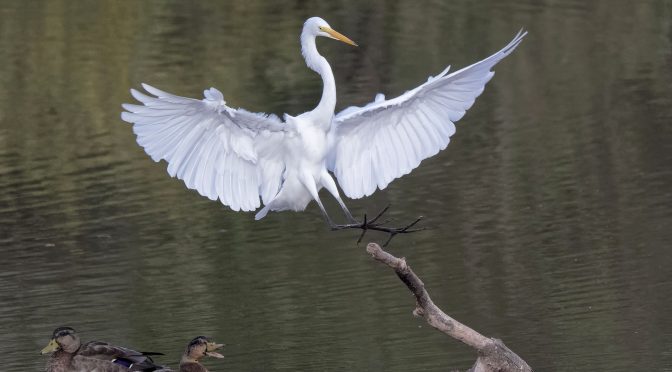
This article is about capturing the moment when we’re photographing birds.
But… first off… my apologies for not posting a new article for the past couple of weeks. Time is a perishable commodity that sometimes is difficult to manage. Juggling projects… and then recently getting laid up for a quite a few days with the flu hasn’t helped.
For most of this month I’ve been focusing the bulk of my efforts on finishing a new eBook… which is finally very near completion… with an announcement imminent.
As I was working on one of the content sections of my new eBook, it occurred to me that this specific content area would be relevant to a wide cross section of bird photographers regardless of the camera format, body or lenses that they may own.
NOTE: Click on images to enlarge. To view this article in a range of other languages click on the Canadian flag in the upper right corner.

The fundamental premise of this specific content section is that while images of static birds can have their own visual appeal, as photographers we are often more likely to be attracted to capturing the moment when some kind of action has occurred.
What follows is a selection of photographs of egrets. The objective is simply to review these images, and assess which of them appeal to us the most. And, most importantly why? Answering this self reflection is important as it can help focus our efforts when we’re out with our cameras.
Bird photography is about choices. Often when we focus on photographing one bird… we miss other opportunities. Having a clear idea in advance of the type of images that appeal to us the most allows to make the most productive use of our time.


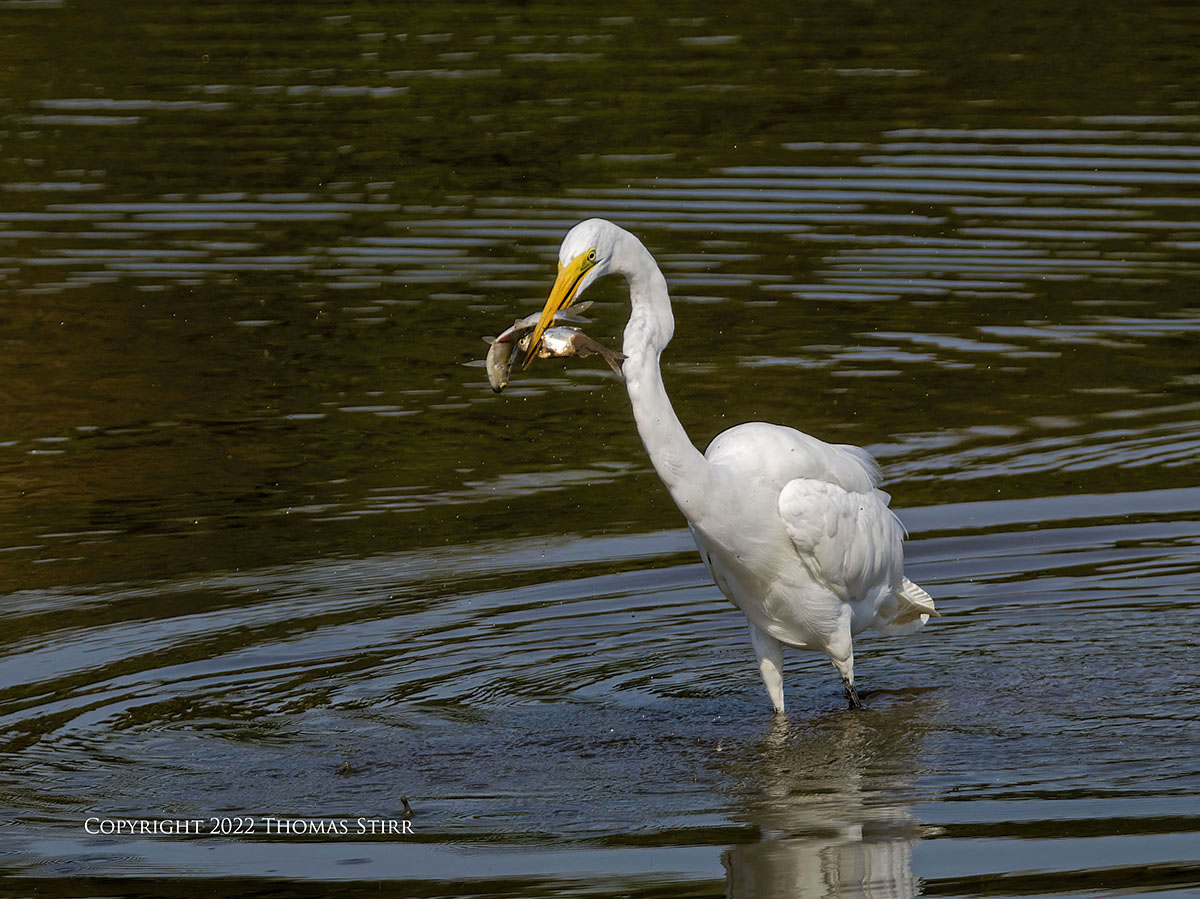


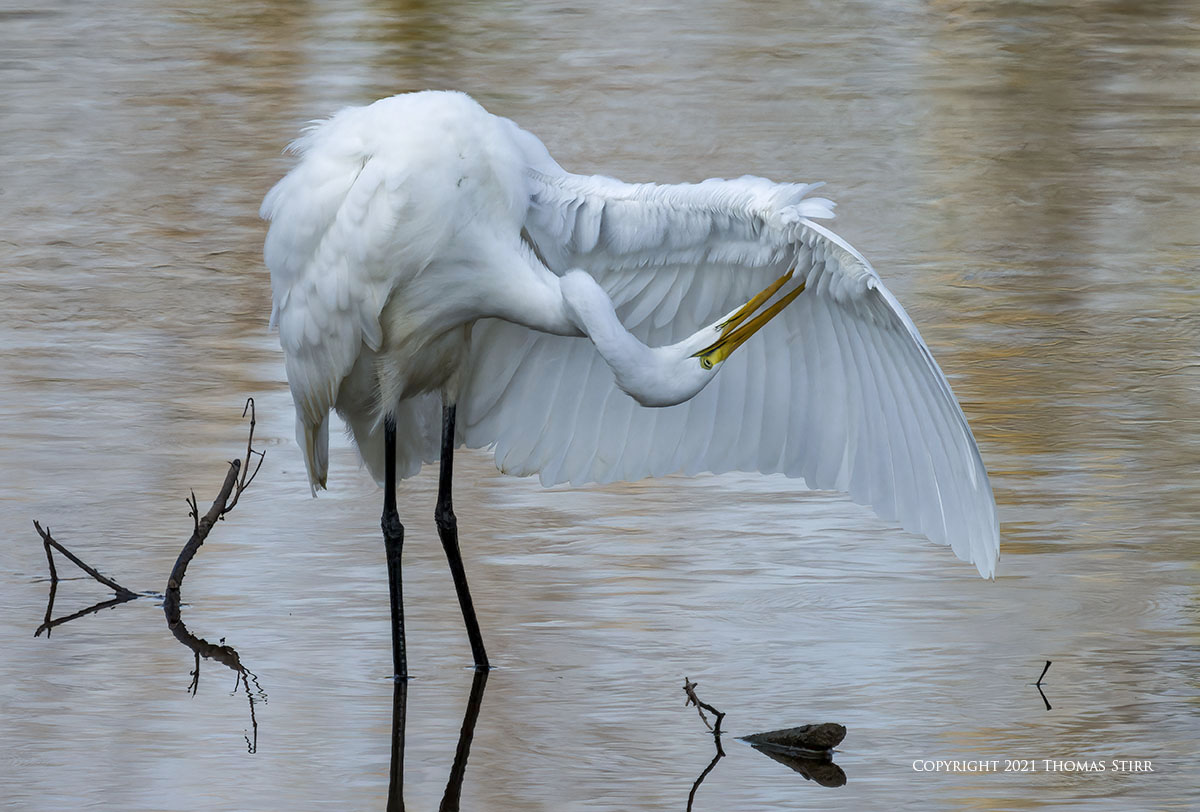


As I went back through 11 years of photographic archives on this website, and searched through over 16,000 images that I’ve shared with readers… it became abundantly clear that I haven’t had that many opportunities to photograph egrets. At least compared to other species that have been featured on this website.
There are a number of factors that would contribute to that fact. Egrets are a migratory species in my area, and the habitat where they can be regularly found is somewhat limited. Also, egrets tend to be a bit more skittish than other migratory birds that visit the area.
As photographers we can learn a lot about ourselves by reviewing past work. Doing the image search for this article confirmed that I am definitely an action-oriented bird photographer. I would much rather capture photographs of birds in action… than simply perched.
This photographic skewing has affected how I approach things when I’m out in the field. I am much more aware of physical signals a bird shows when it is about to take flight, be aggressive, or make a strike to capture prey.
I’ve also adapted my shooting style over the years in terms of using pulse shooting rather than capturing long, interrupted image runs. There are three reasons for that. The first is buffer management. The second is being selective with the type of action I want to capture. And, the third is to save time in post.
Technical Note
Photographs were captured handheld using camera gear as noted in the EXIF data. All images were created from RAW files using my standard process in post. This is the 1,497 article published on this website since its original inception in 2015.
How you can keep this website advertising free
My intent is to keep this photography blog advertising free. If you enjoyed this article and/or my website and would like to support my work, you can purchase an eBook, or make a donation through PayPal (see Donate box below). Both are most appreciated.

You may enjoy bird photography, and if so our 188 page eBook Handheld Bird Photography may be of interest. It is available for download for an investment of $14.99 CDN. The best viewing experience of this eBook will be at 100% using Adobe Acrobat Reader.
Sometimes all we need as photographers is a bit of inspiration. We hope you can find some of that inside Finding Visual Expression II.

Finding Visual Expression II is available for download for an investment of $11.99 CDN. The best viewing experience of this eBook will be at 100% using Adobe Acrobat Reader.
You may be interested in all of the 30 concepts covered in both of these related eBooks. If so, you may want to also consider Finding Visual Expression.

Finding Visual Expression is available for download for an investment of $11.99 Cdn. The best viewing experience of this eBook will be at 100% using Adobe Acrobat Reader.
Our other eBooks include Images of Ireland, New Zealand Tip-to-Tip, Nikon 1: The Little Camera That Could, Desert & Mountain Memories, Images of Greece, Nova Scotia Photography Tour, and a business leadership parable… Balancing Eggs.
If you click on the Donate button below you will find that there are three donation options: $7.50, $10.00 and $20.00. All are in Canadian funds. Plus, you can choose a different amount if you want. You can also increase your donation amount to help offset our costs associated with accepting your donation through PayPal. An ongoing, monthly contribution to support our work can also be done through the PayPal Donate button below.
You can make your donation through your PayPal account, or by using a number of credit card options.
Word of mouth is the best form of endorsement. If you like our website please let your friends and associates know about our work. Linking to this site or to specific articles is allowed with proper acknowledgement. Reproducing articles, or any of the images contained in them, on another website or in any social media posting is a Copyright infringement.
Article is Copyright 2025 Thomas Stirr. Images are Copyright 2017-2025 Thomas Stirr. All rights reserved. No use, duplication or adaptation of any kind is allowed without written consent. If you see this article reproduced anywhere else it is an unauthorized and illegal use. Posting comments on offending websites and calling out individuals who steal intellectual property is always appreciated!
Absolutely fantastic captures Tom the 100-400 gave fantastic results , the subject matter looked very sharp and dynamic – great work and a nice write up. Merry Christmas 🎁
Thanks Mark… I’m glad you enjoyed the images and the article. 10 of the M.Zuiko 100-400 mm images featured in this article were captured using the MC-14 teleconverter as well.
Best of the season to you, and those you love!
Tom