
This article discusses how our goals may impact gear choice, and why there isn’t a single camera format that is the ‘best’ for everyone. Heated internet ‘discussions’ about gear choices have been around for decades. The amount of time, energy and emotion that has been wasted in on this topic boggles the mind.
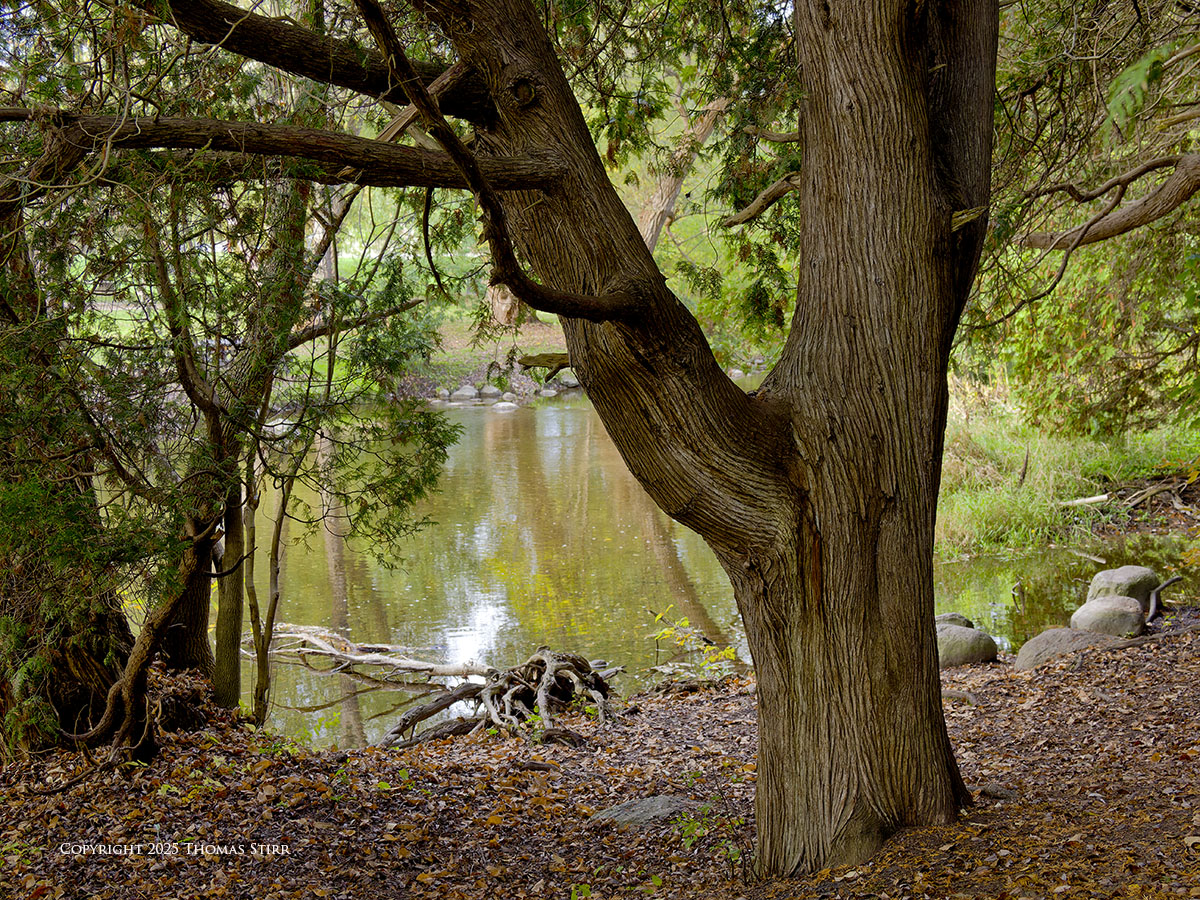
NOTE: Click on images to enlarge. Photographs have been added to serve as visual breaks. To view this article in a range of other languages click on the Canadian flag in the upper right corner.
Stepping into someone else’s shoes.
One of the fundamental reasons why there is so much vitriol about sensor size and brand preference in the photographic community is that stepping into someone else’s shoes is a rare occurrence. Some factions within the photographic community act as warring tribes, rather than as supportive networks.
Every photographer has their own goals, needs and gear preferences. And, given their unique situation, every photographer makes the best equipment choice they can… given their level of awareness of their personal needs, and the emotional state in which they are operating.
It is absolutely ludicrous that people criticize each other for the camera equipment choices that they make. It is equally ludicrous that some folks think that they are somehow qualified to make unsolicited recommendations about what others should buy.

Criticizing someone else for their personal choice in camera gear is simply childish. The only person who can make an informed and logical decision about what camera gear they should buy is the person laying out their cold, hard cash.
Over the years numerous articles on this website have stated there is no such thing as the ‘best’ camera gear. Best is a relative term and is directly based on the goals of a specific photographer.

A means to an end.
Many photographers purchase cameras as a means to an end. That end being creating images that are aligned with their photographic mission, image goals, and specific shooting challenges that they regularly face.
Many photographers focus almost solely on sensor size, and the dynamic range, colour depth, and low light performance associated with sensor size when choosing equipment. Obviously there is nothing wrong with this approach. Physics are physics. Lab testing shows that there are quantifiable differences in sensor performance based on size.

Full frame and medium format cameras do deliver more dynamic range, colour depth and better low light performance, than do smaller sensor cameras. Sensor performance is often a critical consideration for photographers who may have a goal of creating the “best possible photograph”.
These folks are often landscape and studio photographers who produce huge enlargements of their work. Or, they may be nature photographers who shoot in low light conditions for the majority of their work.

To accomplish their goal of the “best possible photograph” they likely use larger sensor equipment, conduct extensive location research, shoot at the golden hour, and use high quality tripods. Folks whose work is done in studios are typically fastidious in their approach with lighting.
People whose focus is on creating the best photograph possible are often exceptionally skilled in post production and are willing to dedicated hours in post to a single file in order to achieve their goal. The key point here is that not everyone has a goal of producing the “best possible photograph”.
Many photographers… including me… have a goal of creating the “best photograph possible” given the reality that we routinely work in difficult conditions. And, face a wide range of impromptu image challenges. These situations call for equipment, and a work approach, that are incredibly flexible.

Dynamic range, colour depth and low light performance can be secondary considerations for folks whose mission is creating the “best photograph possible”. Critical factors for them (and me) could be IBIS (in-body image stabilization), weather sealing, and computational photography technologies that expand what is possible in the field. Things like Pro Capture, Handheld In-Camera Focus Stacking, AI Subject Tracking, Live ND, fast frame rates, as well as comfort, handling, and ergonomics.
People whose goal it is to create the best photograph possible, may be willing to trade off sensor performance if it means they can consistently and reliably get their shot. Sensor performance is totally meaningless to them if they missed their shot. Having more dynamic range of nothing… is still nothing.
As you can see from the two scenarios described above, there can be significant and meaningful differences between what is important for photographers focused on creating the “best possible photograph” versus those whose work revolves around creating the “best photograph possible”. Neither one of these approaches is better than the other. They are simply different, and often require different camera gear and photographic approach.
Understandably there may not be much common ground between the needs and priorities of these two groups of photographers. Even though both view buying camera gear as a means to an end. When ends are different… gear can be different.

When the goal is equipment ownership itself.
There is a segment of the photography market that is comprised of folks who don’t see camera equipment as a means to an end. They are not as interested in creating images, as they are in owning specific camera formats and brands. Cameras can become aspirational objects of desire.
When gear ownership is the goal, defending one’s choice of equipment can become a zealous, fervent journey. When taken to extremes an ownership choice can be wrapped up in feelings of self-worth, and can help shape one’s self-definition.
The goals that an individual may have… are simply the goals that they have. Having ownership goals are neither good nor bad. They simply are what they are.

When the goal is specifications for specifications sake.
Another subset of people in the photographic community are folks who are consumed by specifications. They love performance charts and graphs. They intently study images pixel by pixel. For them the purpose of cameras and lenses is to be able to produce technical perfection. Whether they actually own a camera or not… they are enthralled with photographic test results.
Their goal is to debate the validity of various pieces of gear based on test results and comparing minute image details. They love peering into corners and studying massive photographic blow-ups with disciplined pixel peeping. Not surprisingly their online debates can include an excruciating level of details.
Folks in this subset are extremely knowledgeable about all of the latest camera gear from various manufacturers. Or… at least the manufacturers that they deem to be worth following. Again… someone’s passion is simply their passion. It is neither good or bad.

Respecting choices.
The photographic community would be infinitely more civil and pleasant if everyone respected the camera equipment choices made by other people. Regardless of the purchase criteria that they may use for their decision. None of us has the intimate knowledge and understanding of someone else’s photographic needs that we can… or should… recommend specific camera gear.
If someone is actively soliciting gear opinions in online forums this could be part of their gear research approach. Or, they could be trying to better define their specific camera equipment needs.
Either way, these requests for opinions and information are not an open door to camera gear bashing. Ultimately whatever decision that someone reaches in terms of purchasing equipment, should be respected.
Avoiding online toxicity.
Camera equipment opinions and loyalties can be deeply ingrained… much like religious beliefs, or political orientations. Aggressively debating complete strangers about their strongly held religious or political beliefs is a futile exercise. The same is true when debating hardened attitudes and opinions about camera gear.
Many of us realize that to openly challenge the strongly held religious beliefs and political orientations of other people will more than likely be an unpleasant experience. And, in all likelihood, will be a total waste of time, effort and emotion on our part.
To create a more civil and supportive photographic community, it would be of benefit if we treated camera gear decisions as we would religious and political beliefs… as intensely personal decisions. To put it bluntly… what someone else decides to buy and use for their photography is none of our business.

So, what’s the objective of this article? Will it reduce the amount of criticism and vitriol spewed on photography websites? Probably not.
What it might do is help people learn to ignore all of the hype, aggressiveness and insults to which they may have been subjected. And, perhaps encourage folks to be more understanding of the goals of other photographers and how those goals can affect their choice of camera gear.
Increased civility starts with baby steps.
Technical Note
Photographs were captured handheld using camera gear as noted in the EXIF data. All images were created from RAW files using my standard process in post. This is the 1533 article published on this website since its original inception in 2015.
How you can keep this website advertising free
My intent is to keep this photography blog advertising free. If you enjoyed this article and/or my website and would like to support my work, you can purchase an eBook, or make a donation through PayPal (see Donate box below). Both are most appreciated.

You may be interested in macro and close-up photography with some emphasis on blossoms, bugs and butterflies. If that’s the case our 210 page eBook Blossoms, Bugs & Butterflies may be of interest. It is available for download for an investment of $14.99 CDN. The best view experience will be at 100% using Adobe Acrobat Reader.
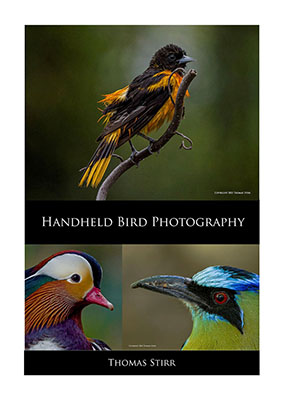
You may enjoy bird photography, and if so our 188 page eBook Handheld Bird Photography may be of interest. It is available for download for an investment of $14.99 CDN. The best viewing experience of this eBook will be at 100% using Adobe Acrobat Reader.
Sometimes all we need as photographers is a bit of inspiration. We hope you can find some of that inside Finding Visual Expression II.

Finding Visual Expression II is available for download for an investment of $11.99 CDN. The best viewing experience of this eBook will be at 100% using Adobe Acrobat Reader.
You may be interested in all of the 30 concepts covered in both of these related eBooks. If so, you may want to also consider Finding Visual Expression.

Finding Visual Expression is available for download for an investment of $11.99 Cdn. The best viewing experience of this eBook will be at 100% using Adobe Acrobat Reader.
Our other eBooks include Images of Ireland, New Zealand Tip-to-Tip, Nikon 1: The Little Camera That Could, Desert & Mountain Memories, Images of Greece, Nova Scotia Photography Tour, and a business leadership parable… Balancing Eggs.
If you click on the Donate button below you will find that there are three donation options: $7.50, $10.00 and $20.00. All are in Canadian funds. Plus, you can choose a different amount if you want. You can also increase your donation amount to help offset our costs associated with accepting your donation through PayPal. An ongoing, monthly contribution to support our work can also be done through the PayPal Donate button below.
You can make your donation through your PayPal account, or by using a number of credit card options.
Word of mouth is the best form of endorsement. If you like our website please let your friends and associates know about our work. Linking to this site or to specific articles is allowed with proper acknowledgement. Reproducing articles, or any of the images contained in them, on another website or in any social media posting is a Copyright infringement.
Article is Copyright 2026 Thomas Stirr. Images are Copyright 2020-2026 all rights reserved. No use, duplication or adaptation of any kind is allowed without written consent. If you see this article reproduced anywhere else it is an unauthorized and illegal use. Posting comments on offending websites and calling out individuals who steal intellectual property is always appreciated!