

The seven year itch is known in popular culture, and is defined as a decline in happiness and an increased divorce risk, after seven years of marriage. When it comes to our relationships with our camera equipment, seven years can seem like an eternity for many photographers.
Many of us don’t make it to seven years with a specific camera system. I know I’ve been guilty of not lasting that long with other digital camera gear I’ve owned in the past as the Siren’s Song lured me.
NOTE: Click on images to enlarge. To view this article in a range of other languages click on the Canadian flag in the upper right corner.

Seven years ago this month I had the opportunity to test out some Olympus camera gear as a participant in the Olympus Pro Loaner Program. This experience was my first exposure to the Olympus M4/3 system. It was a turning point for me.

After just a couple of days of in-field testing, I knew that I had found something very special in terms of a fit with my photographic philosophy, shooting style, and equipment needs.

It took even less time for me to choose between the E-M1X and the E-M1 Mark II bodies that Olympus had sent me as part of my Pro Loaner gear package. The comfort, handling and ergonomics of the E-M1X were simply remarkable. The camera felt like it had been custom designed for me.

When using a heavier lens like the M.Zuiko PRO 40-150 mm f/2.8 with the E-M1 Mark II, I experienced cramping in my right forearm within minutes. Given the extended hours that I often spend out in the field with my gear, I quickly assessed that the E-M1 Mark II was a non-starter for me.

Even though I could have kept the loaner gear for a couple of months under the terms of the pro loaner agreement, I returned it well ahead of schedule. I was completely sold on the system. I didn’t want to deprive other pro photographers of an opportunity to participate in the loaner program.

When I first bought into the Olympus M4/3 system one of my primary needs was to be able to shoot video in 4K for my industrial safety video clients.

It was incredibly liberating to show up for a client video shoot with all of my gear in one medium sized shoulder bag. My car wasn’t jammed full of studio lights and stands. I had no need to bring a number of long extension cords. My selection of tripods, and various camera supports, stayed in my gear closet at home. I could shoot everything handheld in available light. Creative freedom had entered my life.

As I began to experiment with my new camera system I kept pushing myself and my gear to learn what was possible. I tried things that seemed impossible… expecting specific experiments to fail. Like shooting an early morning landscape image handheld at 5 seconds.

Or, photographing a Hamilton steel mill at night… using a focal length of 115 mm (efov 230 mm), an aperture of f/2.8 and a handheld shutter speed of 1 second.

I discovered a deep love of macro photography, and the freedom that came from no longer needing to bring a tripod or other camera support with me. I could explore this photographic genre shooting handheld.

I had never used a camera with an articulating rear screen before and had no idea of how much additional photographic potential would be unlocked by using this feature for handheld macro photography.

Capturing precise moments with my bird photography through the use of computational photography technologies like Pro Capture H became a part of my everyday approach.

I could envision an image in my mind… then confidently transform it into reality with the technology that was resident in my E-M1X camera body.

I had to learn to reorient my approach to capturing birds-in-flight… by waiting for a desired behaviour to occur before I fully depressed my shutter release. For quite a while it felt counterintuitive. Then… it became second nature when using Pro Capture L. Combining it with Bird Detection AI took my photography of birds-in-flight to another level.

Photographing insects like dragonflies in flight became something I could do with absolute confidence. It took me some time to get used to throwing away hundreds of ‘keepers’ from a photo session and not feeling guilty about it. The simple fact was that I had far too many useable images to keep them all.

Now… regardless of the subject matter… once I have a sufficient number of images that I need for a new article or project, I usually discard the balance with only a cursory examination of them.

I’ve never owned any camera gear before that created such a strong feeling of confidence. Being able to capture the photographs I could see in my mind made my Olympus/OM kit a partner in my creative process… not an impediment.

I began experimenting with Handheld In-Camera Focusing Stacking when doing macro photography… and fell in love with the technology. It is now used for much of my macro work. I had to overcome my ‘RAW snobbery’ along the way.

After having my camera gear thoroughly drenched by huge splashes from waves hitting a rock retaining wall along the shore of Lake Ontario, I learned the true meaning and value of weather sealing. The creative freedom it afforded me in inclement weather was wonderful. I could keep creating when other photographers ran for cover.

My experimentation grew year after year. I challenged myself to create images that I would have deemed impossible only a few years earlier… like capturing a fly launching into flight.

I kept pushing my new gear simply to see what would happen… like capturing a macro image of a fly using a 2X teleconverter with a 90 mm macro lens, with an aperture of f/22, at ISO-6400.

I became spoiled by the outstanding IBIS performance of my E-M1X, regardless of what lens I was using with it. Shooting at an efov of 600 mm at 1/8 of a second was something that I didn’t question… it felt perfectly normal.

It didn’t seem to matter where I was, and what there was to photograph… everything seemed possible.

I started using technology like handheld Live ND and experimented with movement in my images.

My Olympus/OM gear never got in the way, but rather expanded what was possible for me.
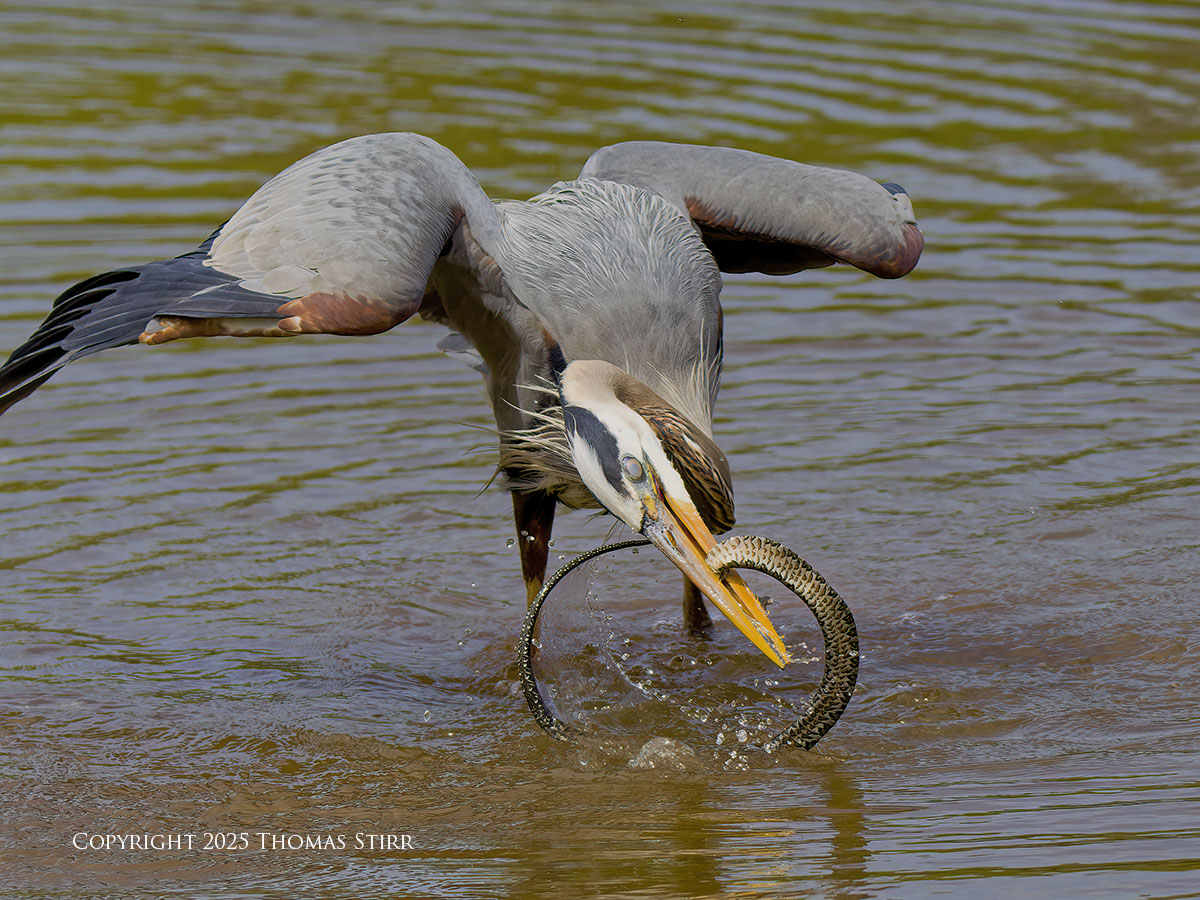
When camera gear becomes an extension of one’s self, the experience of creating images changes. It doesn’t matter what happens… you just know that you can get your shot.

A lot of things have happened photographically for me since that day back in early May 2019 when the Olympus loaner gear arrived at my home via courier.

After all of the time that has passed… and all of the experiences that I’ve had with my Olympus/OM equipment… do I have the seven year itch?
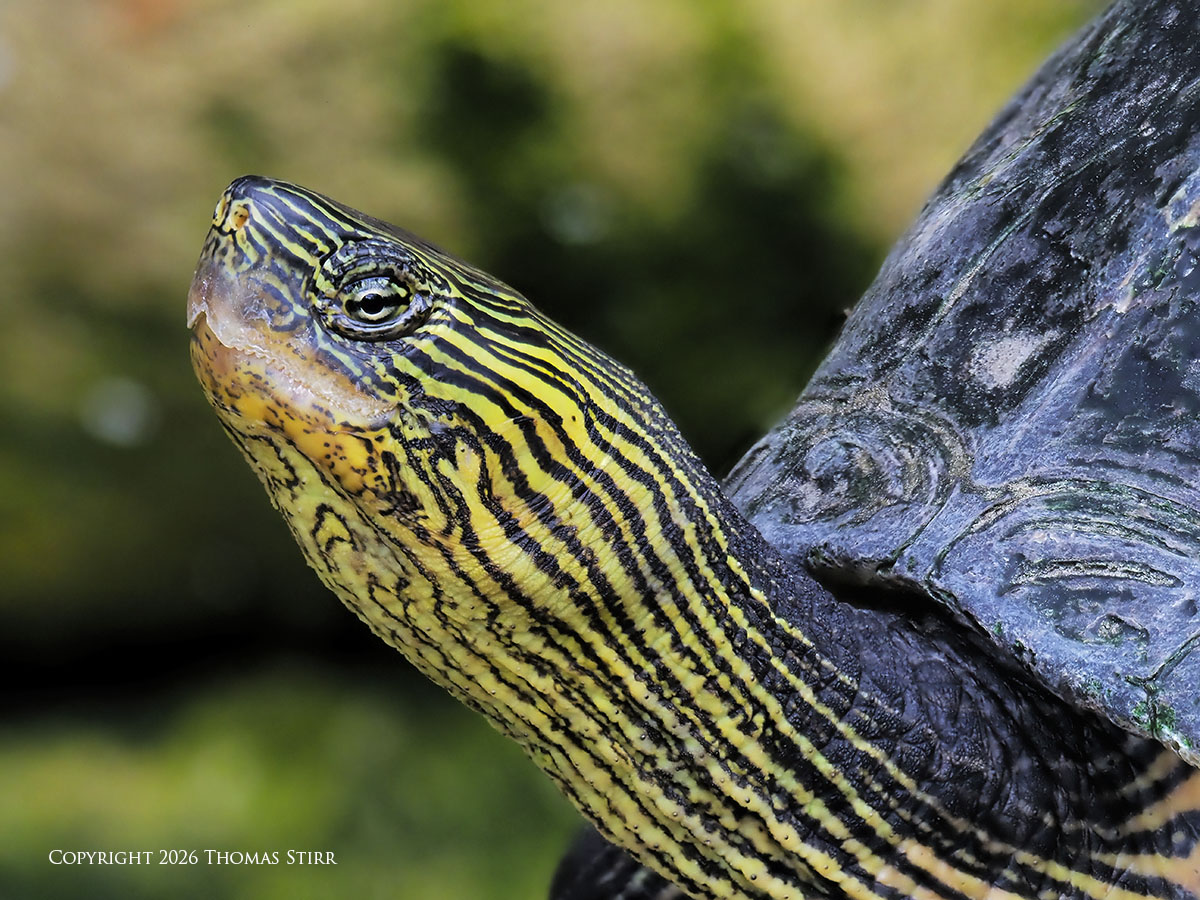
Nope… I feel like I’m still on my honeymoon. Nothing else interests me in the slightest. Not even newer generation OM bodies. My E-M1X camera bodies deliver the ruggedness, performance, comfort, handling, ergonomics and creative latitude that I need. They have become an extension of my creative self.
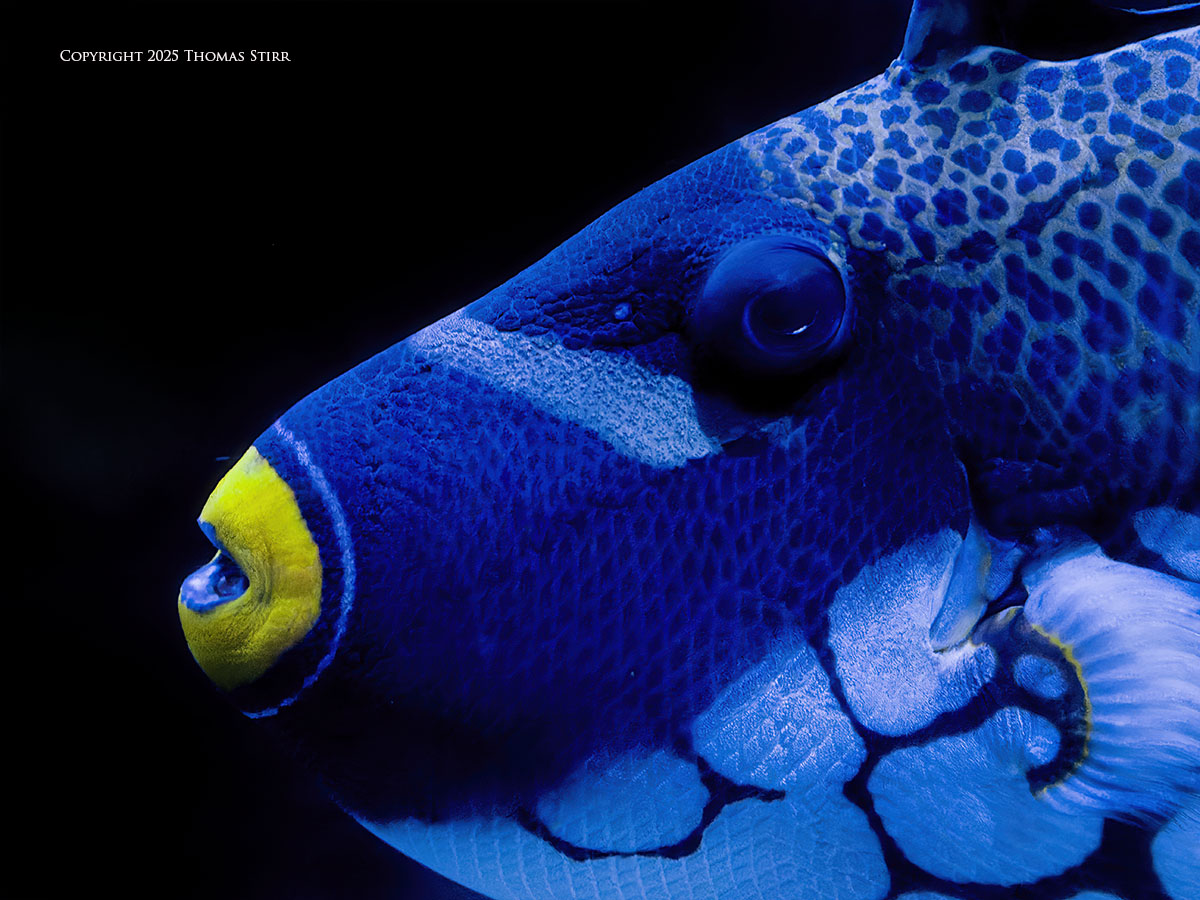
As I’ve stated in numerous articles in the past… everyone should choose camera equipment that best meets their needs. Choice of camera gear is an intensely personal decision. This article is not intended to recommend what someone else should buy. It simply chronicles my photographic journey for the past 7 years.
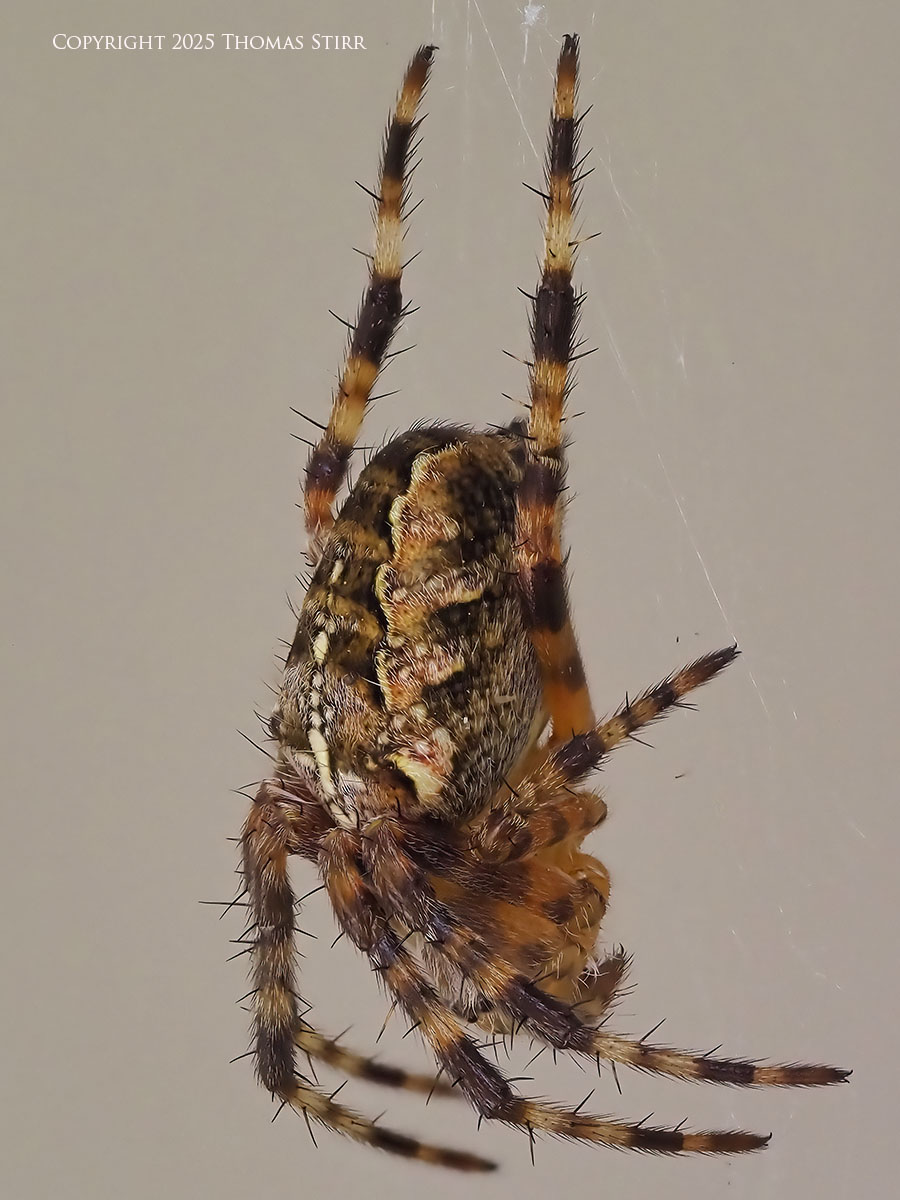
I plan to be shooting with my current Olympus/OM system equipment for many years to come. No doubt cameras will continue to evolve with higher density sensors. Better low light performance. And, probably more dynamic range and colour depth.

Incremental improvements with performance and technology will continue to occur. Lenses will get periodic updates, and new ones will be introduced. Some folks will spend hours debating the relative merits of these changes in photographic chatrooms. Perhaps agonizing about how to spend the money that’s burning a hole in their pockets.

I’ll continue to pick up one of my E-M1X bodies and rekindle the creative connection they evoke every time I have one in hand. They enable me to see and capture more of the photographic potential in the world around me. Even when looking through my kitchen window late in the day… and photographing a raptor taking flight at ISO-16000.
Technical Note
Photographs were captured handheld using camera gear as noted in the EXIF data. All images were created from RAW files or out-of-camera jpeg files using my standard process in post. This is the 1525 article published on this website since its original inception in 2015.
How you can keep this website advertising free
My intent is to keep this photography blog advertising free. If you enjoyed this article and/or my website and would like to support my work, you can purchase an eBook, or make a donation through PayPal (see Donate box below). Both are most appreciated.
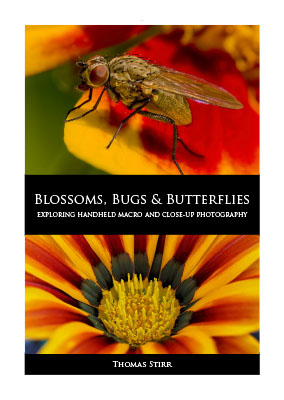
You may be interested in macro and close-up photography with some emphasis on blossoms, bugs and butterflies. If that’s the case our 210 page eBook Blossoms, Bugs & Butterflies may be of interest. It is available for download for an investment of $14.99 CDN. The best view experience will be at 100% using Adobe Acrobat Reader.
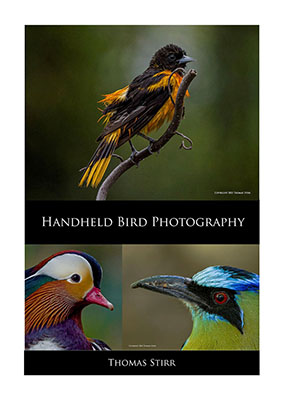
You may enjoy bird photography, and if so our 188 page eBook Handheld Bird Photography may be of interest. It is available for download for an investment of $14.99 CDN. The best viewing experience of this eBook will be at 100% using Adobe Acrobat Reader.
Sometimes all we need as photographers is a bit of inspiration. We hope you can find some of that inside Finding Visual Expression II.

Finding Visual Expression II is available for download for an investment of $11.99 CDN. The best viewing experience of this eBook will be at 100% using Adobe Acrobat Reader.
You may be interested in all of the 30 concepts covered in both of these related eBooks. If so, you may want to also consider Finding Visual Expression.

Finding Visual Expression is available for download for an investment of $11.99 Cdn. The best viewing experience of this eBook will be at 100% using Adobe Acrobat Reader.
Our other eBooks include Images of Ireland, New Zealand Tip-to-Tip, Nikon 1: The Little Camera That Could, Desert & Mountain Memories, Images of Greece, Nova Scotia Photography Tour, and a business leadership parable… Balancing Eggs.
If you click on the Donate button below you will find that there are three donation options: $7.50, $10.00 and $20.00. All are in Canadian funds. Plus, you can choose a different amount if you want. You can also increase your donation amount to help offset our costs associated with accepting your donation through PayPal. An ongoing, monthly contribution to support our work can also be done through the PayPal Donate button below.
You can make your donation through your PayPal account, or by using a number of credit card options.
Word of mouth is the best form of endorsement. If you like our website please let your friends and associates know about our work. Linking to this site or to specific articles is allowed with proper acknowledgement. Reproducing articles, or any of the images contained in them, on another website or in any social media posting is a Copyright infringement.
Article is Copyright 2026 Thomas Stirr. Images are Copyright 2019-2025. All rights reserved. No use, duplication or adaptation of any kind is allowed without written consent. If you see this article reproduced anywhere else it is an unauthorized and illegal use. Posting comments on offending websites and calling out individuals who steal intellectual property is always appreciated!
What a beautiful tribute in all respects! I started with MFT in 2011, dropped it and returned in 2024. I keep my full frame camera and lenses for special photography, just like I do with my film cameras. But for the bulk of it, it’s Olympus/OM System, mostly. Not looking back.
Thanks for sharing your experiences Juliette… glad you enjoyed the article!
Tom
Agree 100%! I too made the switch to Olympus when my brother gave me his old EM 1-2 which sadly didn’t survive a flip in my kayak. Replaced it with OM 1-2 and will keep it until it breaks. No GAS for me. I am now experimenting with astro, macro, BIF and carry my camera everywhere. The 12-100 stays on the camera all the time unless I’m bird watching or insect watching, then i move to 100-400 or 60 mm. I can afford my kit as a newly retired guy, and can carry everything easily. Recent trip to the Azores with frequent rain didn’t bother me, Great article!
Hi Scott,
Congratulations on your recent retirement!
Great to read that you are enjoying your OM equipment. The three lenses noted in your comment are ones that we have been using, and enjoying, for many years.
We’re glad you enjoyed the article… thank you for your supportive comment.
Tom